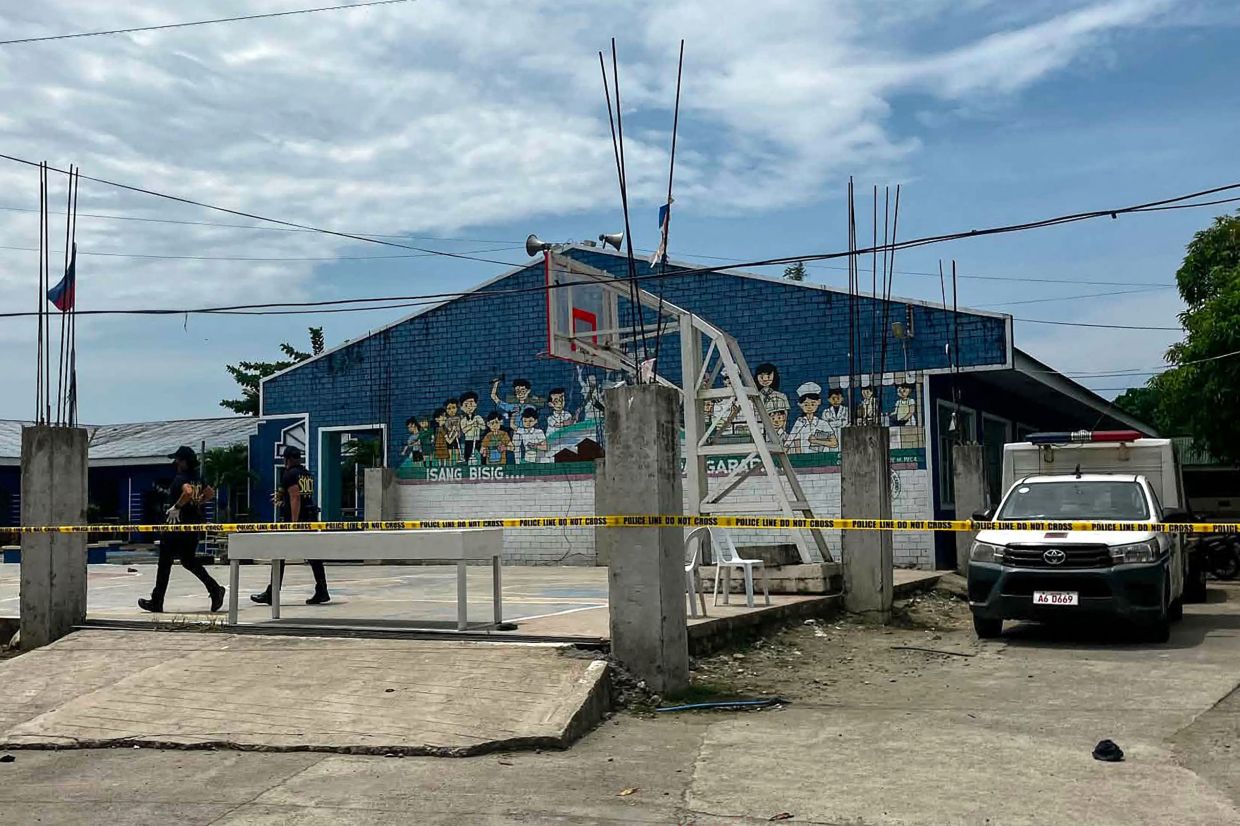
A shooting incident at San Jose National High School in Tacloban city has left the Philippines reeling, as two teenage students—both aged in their early teens—carried out an armed assault that claimed three lives and left seven others injured during mid-morning hours on Monday. The teenage suspects, arrested at or near the scene, have become the focus of an intensive investigation that authorities say will probe both their motivations and the security failures that allowed firearms onto a government-run campus serving more than 1,500 students.
The two attackers, described as close friends, were equipped with a 9 millimetre pistol and a calibre .38 revolver when they stormed into classrooms at the school. According to regional police chief Brig. Gen. Jason Capoy, the duo entered multiple rooms during their rampage, first shooting in one classroom before pursuing fleeing students into an adjacent space. Police recovered at least 40 shell casings from the scene, indicating a sustained volley of gunfire across the campus. The majority of those killed and wounded were female students, underscoring the indiscriminate nature of the attack within the crowded school environment.
During preliminary questioning, the two suspects attributed their actions to bullying they had experienced at the school, though investigators have not yet detailed the extent or nature of these claims. Neither teenager possessed a prior criminal record, suggesting this incident represents a sudden and catastrophic escalation. The absence of warning signs compounds the tragedy and raises critical questions about how such young individuals managed to obtain and carry weapons, typically prohibited items in educational settings across the region.
The firearms themselves point to significant lapses in weapon security and regulation. One of the suspects obtained the 9 millimetre pistol from an aunt who works as a police officer, a revelation that has triggered an investigation into how a law enforcement family member allowed access to a service weapon. The source of the second revolver remains under scrutiny. These details expose troubling vulnerabilities in how firearms—particularly those held by security personnel—are stored and monitored within households containing minors.
Second only to the weapon sources, the breach in school perimeter security proved equally catastrophic. The San Jose campus, despite serving over 1,500 students, relied on a single security guard to monitor multiple entrance and exit points during school hours. This skeletal security presence meant the armed teenagers encountered minimal obstruction when entering the premises during regular classes. The inability to prevent armed individuals from accessing a populated school facility represents a systemic failure that authorities and administrators will now face intense scrutiny over addressing.
The harrowing reality of the attack unfolded in real time through mobile phone footage that circulated online afterward. Videos captured students cowering beneath desks, their voices trembling as gunshots erupted outside classroom doors. Some frightened youth called their mothers while barricaded inside locked rooms, their desperation evident in recordings that spread across social media platforms. Other footage showed throngs of panicked students flooding out of the campus, many clinging to one another in shock and fear, a visual testament to the psychological trauma inflicted on the broader school community.
The apprehension of the suspects followed different trajectories. One teenager was arrested directly on school grounds immediately following the shooting, while the second managed to escape the campus and sought refuge in a nearby house. Local residents alerted police to the fugitive's location, enabling officers to apprehend the second suspect before further violence could occur. The swift community response likely prevented additional casualties and demonstrated the crucial role civilian vigilance plays in containing such crises.
President Ferdinand Marcos Jr. responded swiftly to the incident, ordering a comprehensive investigation while instructing law enforcement to intensify security measures across all schools, workplaces, and public gathering spaces nationwide. Communications Undersecretary Claire Castro conveyed the president's emotional response, acknowledging the profound sadness and terror such violence induces, particularly among families who lost children to the attack. The presidential directive signals that the incident will prompt broader policy discussions about school safety protocols throughout the nation.
The legal treatment of the teenage perpetrators reflects Philippine legislation designed to protect minors while ensuring accountability. Under a 2006 law establishing criminal liability at age 15, the 14-year-old suspect would be exempt from criminal prosecution, though this exemption applies only if authorities cannot establish clear awareness of the criminal act and its consequences. Both suspects will ultimately be transferred to government welfare officers following the investigative phase, placing them within the juvenile justice framework rather than the adult criminal system. This legal structure balances rehabilitation potential against the severity of their actions.
The Philippines grapples with endemic firearms violence, largely attributed to widespread proliferation of unlicensed weapons circulating beyond official regulatory channels. However, school shootings remain comparatively uncommon occurrences within this landscape of gun violence, making Monday's incident particularly shocking to a nation unaccustomed to mass casualties at educational institutions. A 2022 incident at a Manila-area university where a gunman killed a former town mayor and two others represented another rare but devastating breach of school safety, suggesting an emerging pattern that demands urgent policy intervention.
The investigation now proceeds on multiple fronts: determining whether bullying claims warrant further examination, establishing the full chain of custody for both weapons, identifying any warning signs missed by educators or administrators, and evaluating how to prevent similar tragedies. The national police have appealed for public cooperation, requesting that citizens provide any information relevant to understanding how the attack was planned and executed. For Southeast Asian observers, particularly those in Malaysia where school safety remains a paramount concern, the Tacloban shooting underscores how rapidly seemingly normal adolescent conflicts can transform into mass casualty events when combined with firearm access and inadequate institutional safeguards.
The incident has prompted renewed examination of security protocols at Philippine schools, with authorities now tasked with implementing measures that balance educational environments conducive to learning against fortified perimeters capable of preventing armed intrusion. The path forward requires comprehensive reforms addressing weapon storage in police households, school security staffing adequacy, threat assessment procedures, and mental health support systems capable of identifying at-risk youth before violent ideation crystallizes into action.