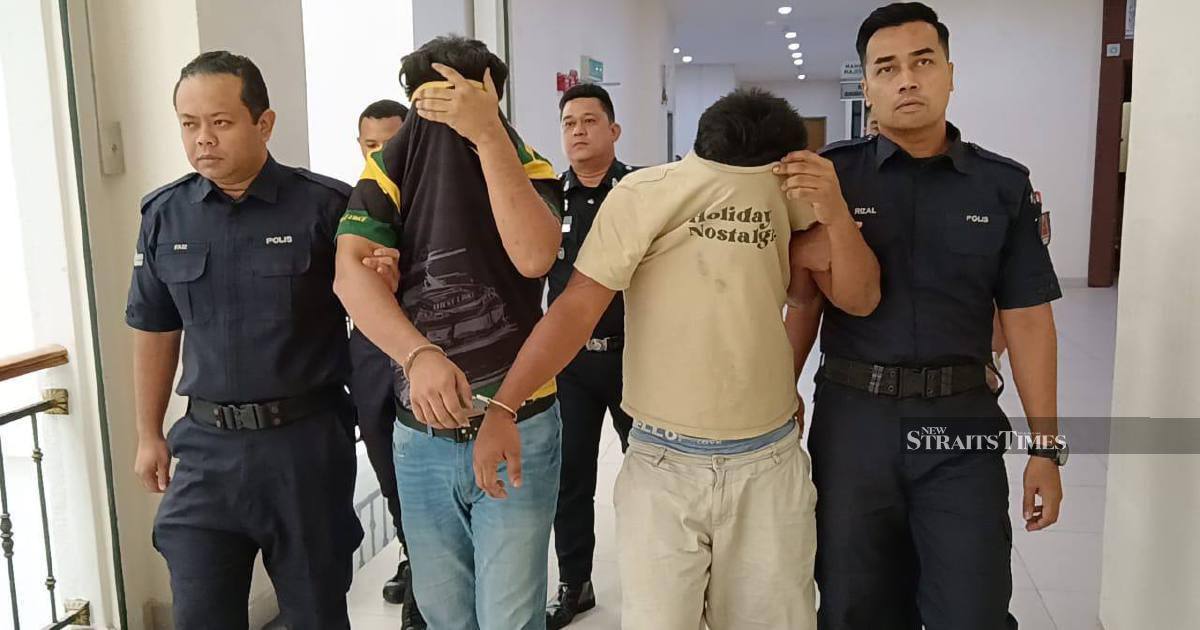
Two Rohingya men who hold UNHCR identity cards appeared in the Magistrate's Court in Muar to face charges related to a sequence of residential break-ins that have plagued the Johore district. The court proceedings mark a significant development in a crime wave that has concerned residents and prompted intensified police operations across the area.
The alleged offences are directly tied to unauthorized entry into homes across Muar, with investigators suggesting a coordinated pattern to the burglaries. The involvement of individuals carrying UNHCR documentation—which identifies them as persons of concern under United Nations refugee protection frameworks—has drawn attention to broader questions surrounding refugee management and community safety in Malaysia, which hosts one of the world's largest refugee populations without formal refugee status recognition.
Muar, a town in Johor state that has experienced demographic shifts due to refugee populations, has grappled with rising crime reports in recent months. The district's police force has intensified patrols and investigative work as residential security became a pressing concern among ordinary Malaysian households. Authorities have emphasized that such incidents, while statistically limited, create disproportionate anxiety within communities and undermine public confidence in law and order.
UNHCR cards serve as the primary identification mechanism for refugees and asylum seekers in Malaysia, who number approximately 180,000 according to the organization's latest estimates. These documents permit cardholders to access basic services and interact with government agencies, yet their issuance does not automatically grant residency status or exemption from local law enforcement jurisdiction. Malaysian criminal courts maintain full authority over cardholders and apply the same legal standards to all defendants regardless of immigration status.
The charges represent a critical intersection between humanitarian obligations and public safety—a balance that Malaysia continuously navigates. As a non-signatory to the 1951 Refugee Convention, Malaysia does not formally recognize refugee status, yet it has cooperated extensively with UNHCR to process asylum claims and provide temporary protection. This legal ambiguity sometimes creates governance challenges when refugee communities interact with the criminal justice system.
For Muar residents, these prosecutions offer some reassurance following weeks of heightened anxiety about home security. Police have urged householders to strengthen locks, install alarm systems, and maintain vigilance about suspicious activities. The break-in incidents had prompted community meetings and requests for additional police presence, reflecting how localized crime can rapidly influence public mood and demand for security interventions.
The prosecution also highlights tensions within refugee advocacy circles about representation and accountability. Human rights organizations stress that criminal misconduct by a small number of individuals should not delegitimize entire refugee populations or trigger collective blame against vulnerable groups. Simultaneously, enforcement officials maintain that criminal investigation and prosecution must proceed without regard to a person's immigration status, as equal application of law strengthens overall public order.
Malaysia's relationship with refugee populations remains complex and occasionally contentious. While the government coordinates with UNHCR on protection frameworks and resettlement pathways, hosting communities sometimes express frustration about perceived inadequate burden-sharing by the international community and questions about integration capacity. Incidents like the Muar break-ins occasionally rekindle these discussions, though crime statistics involving refugee populations remain proportionally modest compared to offences involving Malaysian citizens.
The Magistrate's Court proceedings in Muar will now progress through Malaysia's established legal procedures, with full due process protections available to the defendants. Both individuals are entitled to legal representation, bail considerations, and the presumption of innocence pending trial. The court's determination will establish whether sufficient evidence exists to support the allegations, and sentencing—if convictions result—will reflect applicable Malaysian criminal statutes.
Beyond the immediate legal proceedings, these charges underscore the ongoing necessity for Malaysia to strengthen coordination between immigration management, law enforcement, and community integration programs. Successful refugee integration depends partly on robust security frameworks that simultaneously protect host communities and ensure fair treatment of asylum seekers and documented refugees. The Muar cases will likely feature in future policy discussions about safeguarding mechanisms and the infrastructure required to manage large refugee populations sustainably.
For Rohingya refugees specifically, these prosecutions arrive amid deteriorating conditions in neighbouring Myanmar, where persecution continues to drive displacement. Malaysia remains a principal host nation for Rohingya populations, who comprise roughly half of the registered refugee caseload. Maintaining public confidence in both refugee protection systems and law enforcement effectiveness will prove essential as displacement pressures potentially increase in coming years.

