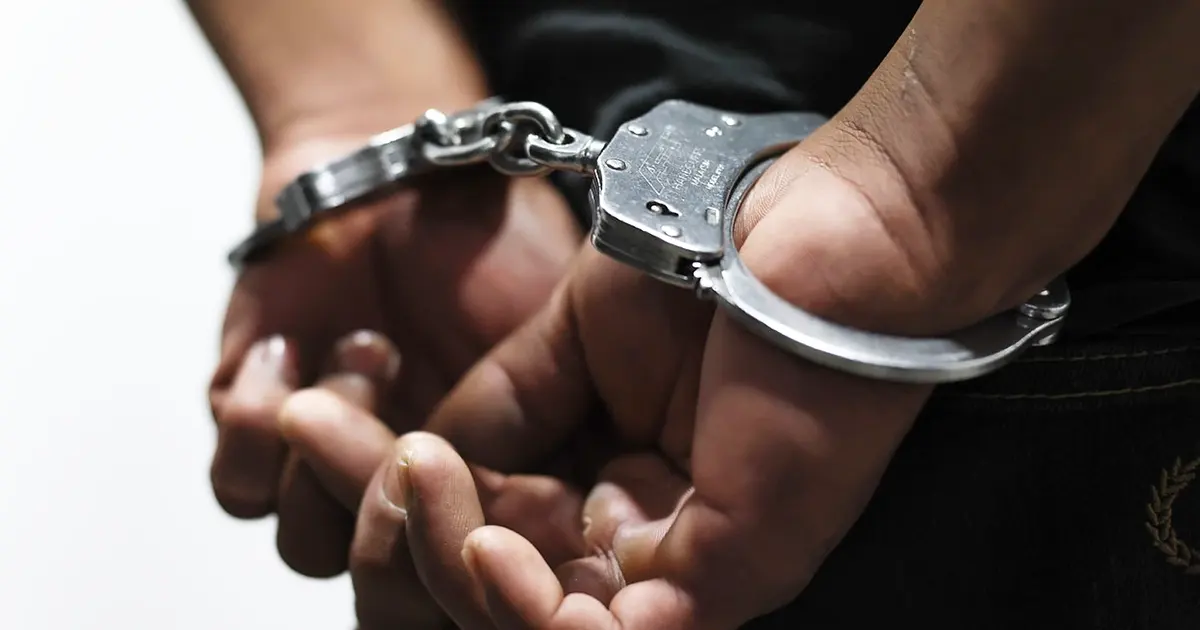
Two individuals are in custody after a hunting trip in the region ended with the fatal shooting of their friend, prompting a police investigation into both the incident itself and the subsequent handling of the body. The arrests came after authorities uncovered circumstances suggesting the death resulted from an unintended discharge rather than deliberate action, though the response of the surviving companions has raised questions about their decision-making during a critical moment.
According to police accounts, the firearm discharged accidentally during the hunting outing, striking the third member of their party fatally. Rather than immediately contacting emergency services or law enforcement, the two men reportedly chose to move and hide the deceased's body, a decision that delayed discovery and complicated the initial investigation. This delay extended the period during which the death went unreported and ultimately drew greater scrutiny once authorities became aware of what had transpired.
The concealment of the body suggests that panic and poor judgment may have governed the men's actions in the immediate aftermath of the tragedy. When individuals encounter sudden trauma or unexpected loss, particularly in remote settings far from immediate assistance, their cognitive processes can become impaired. However, the deliberate choice to hide evidence rather than seek help raises questions about what the two men believed would happen if they reported the accident truthfully to authorities.
This type of incident is not uncommon in jurisdictions where hunting is a popular recreational activity. Firearms accidents occur with regularity, and the combination of weapons handling, outdoor terrain, and split-second decisions creates an inherently high-risk environment. The difference between a tragic accident and a criminal case often hinges on how the people involved respond immediately after the incident occurs.
The decision to conceal rather than report demonstrates a concerning pattern that many police forces have encountered. Even when shootings are genuinely accidental, the cover-up can transform what might have been treated as a regrettable tragedy into a more serious criminal matter. Prosecutors may pursue additional charges related to obstruction of justice, evidence tampering, or improper handling of human remains, compounding the legal consequences for individuals who might otherwise have faced lesser accountability.
For readers in Malaysia and the broader Southeast Asian region, this case highlights the importance of understanding firearms regulations and the responsibilities that accompany hunting licenses. Countries throughout Asia maintain strict protocols governing hunting activities, and individuals participating in these pursuits must grasp both the technical requirements and the legal obligations involved. When accidents occur, transparency and immediate notification to authorities represent the only path that can ultimately reduce additional penalties and legal complications.
The investigation now focuses on reconstructing the sequence of events to determine with certainty whether the shooting was truly accidental or whether negligence, recklessness, or other factors contributed to the death. Forensic examination of the scene, the firearm, and the victim will provide objective evidence about angles, distances, and trajectories. Interviews with the arrested men will establish a timeline and their account of what transpired, which investigators can cross-reference against physical evidence recovered from the location.
The handling of this case also reflects broader considerations about how law enforcement approaches hunting accidents versus intentional crimes. Police departments must balance their role as investigators uncovering facts with their responsibility to treat accidental deaths with appropriate sensitivity. The family of the deceased faces an additional layer of grief compounded by the knowledge that their loved one's body was moved and hidden rather than properly attended to immediately following the tragedy.
The two men now face the legal process, which will determine whether charges relate solely to the accident itself or extend to their subsequent actions. In many jurisdictions, the concealment carries its own serious penalties regardless of the circumstances surrounding the initial shooting. Courts often view the cover-up as a separate offense requiring separate accountability, meaning the men may face consequences for both the incident and their response to it.
For hunting communities across Southeast Asia, such incidents serve as cautionary reminders about the critical importance of proper training, equipment maintenance, and safety protocols. The tragedy underscores that hunting, while a legitimate recreational and subsistence activity in many societies, demands the highest standards of responsibility from participants. Organizations that promote hunting safety emphasize that the immediate aftermath of any accident requires notifying authorities and following proper procedures, both for legal protection and to honor the person who has died.

