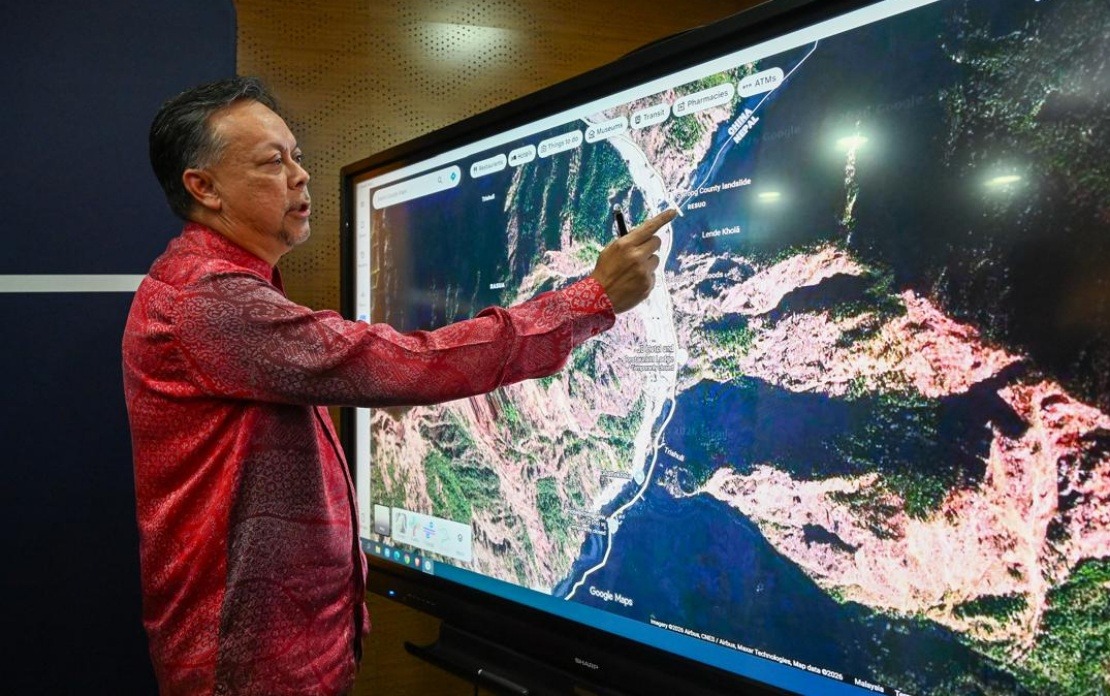
Two Malaysians have been successfully located following the catastrophic flooding that ravaged Nepal's Rasua district, though 55 others remain unaccounted for, the Foreign Ministry confirmed on Wednesday. Datuk Syed Mohamad Hasrin Tengku Hussin, Deputy Secretary-General for Bilateral Affairs, disclosed that while the two individuals had been identified, their details were undergoing rigorous cross-checking to verify identity and current status. The verification process, he emphasised, was critical to eliminating duplicate records and establishing the accurate count of those still missing.
The natural disaster struck on August 26 when the Bote Koshi River overflowed, triggering flash floods and landslides that devastated the mountainous region. The overflow destroyed critical infrastructure including roads and bridges, severed electricity and communication networks, and created a humanitarian emergency that continues to challenge rescue efforts. The topography and infrastructure damage have severely hampered access to affected areas, complicating efforts to locate missing persons and gather reliable information about their whereabouts. This geographical isolation has proven particularly problematic for Malaysian officials coordinating the search from abroad.
Foreign Minister Datuk Seri Mohamad Hasan has directed the ministry to intensify operations and maintain constant vigilance over developments. To strengthen coordination, an official from the Malaysian High Commission in Dhaka has been deployed to Kathmandu to supplement the Malaysian Embassy's capacity. This reinforcement reflects the gravity of the situation and demonstrates Kuala Lumpur's commitment to prioritising the safety of its citizens abroad during crisis situations. The additional personnel will focus on information coordination, real-time monitoring, and direct liaison with Nepalese government agencies.
Nepali rescue authorities have reported extracting 528 people from the disaster zone so far, comprising 490 Nepalese nationals and 38 foreigners. Significantly, no Malaysians have been identified among those rescued to date, raising concerns about the precise location and status of the missing Malaysians. The Malaysian Embassy in Kathmandu is collaborating extensively with multiple stakeholders including Nepal's Foreign Ministry emergency response unit, the Nepal Tourism Board, local authorities, and registered tour operators to compile and authenticate information about the affected Malaysians. This multi-agency approach is essential given the complexity of coordinating across international borders during an active humanitarian crisis.
The 57 missing Malaysians were identified through reports from diverse channels—Nepalese authorities, Tourism Malaysia, independent tour operators, and family members reporting missing relatives. In the immediate hours following activation of the Foreign Ministry's crisis operations room, officials fielded between 12 to 15 incoming calls from concerned family members and friends seeking information. Each report requires meticulous verification against databases held by both Nepalese authorities and Malaysian government records to prevent information duplication and maintain accurate tallies. The verification burden has intensified as more reports arrive.
Operating around the clock from Putrajaya, the ministry's 24-hour operations room serves as the nerve centre for information gathering, assistance provision, and family communication. Officials described the verification process as labour-intensive but indispensable—every incoming call must be systematically cross-referenced to eliminate confusion. The toll-free coordination line at +603 8887 4570 and email address [email protected] remain open for Malaysian families providing information about missing persons. Authorities specifically request full names, passport numbers, travel schedules, last known positions, and current contact details to facilitate the search.
Conditions in the affected areas remain precarious and unpredictable. Nepalese authorities have issued ongoing warnings about potential additional water overflow from border regions, necessitating continued vigilance. The combination of infrastructure damage, adverse weather patterns, and geographical challenges has severely constrained search and rescue operations. Syed Mohamad Hasrin acknowledged that while Nepalese authorities are themselves overwhelmed managing their own citizens' welfare, the Malaysian contingent faces particular difficulties accessing remote areas where tourists typically congregate. The damaged road networks and destroyed bridges have created impassable barriers that rescue teams struggle to overcome.
For Malaysian travellers and their families, this incident underscores the persistent risks associated with adventure tourism in mountainous regions prone to natural disasters. Nepal attracts substantial numbers of Malaysian tourists annually, particularly trekkers and adventure seekers drawn to the Himalayan terrain. The August 26 disaster exposed the vulnerability of tourists in remote areas where emergency evacuation and communication infrastructure may be compromised during extreme weather events. The Foreign Ministry's experience managing this crisis will likely inform future advisories regarding travel to high-risk geographical zones.
The diplomatic response reflects established protocols for protecting citizens abroad during emergencies. Malaysia's embassy network in South Asia, headquartered in Dhaka with satellite operations in Kathmandu, maintains frameworks for rapid activation during crises. However, the scale of Nepal's disaster—affecting hundreds of people across difficult terrain—has tested these systems. The deployment of additional personnel from Dhaka to Nepal indicates recognition that crisis response sometimes requires on-ground reinforcement beyond permanent embassy staffing. This flexibility in diplomatic resource allocation demonstrates how bilateral relationships facilitate mutual assistance during humanitarian emergencies.
Regional implications of the Nepal disaster extend beyond immediate search operations. The incident highlights vulnerabilities in tourist infrastructure and emergency response systems across South Asia, where rapid urbanisation and climate-induced extreme weather create compounding risks. For Malaysia and other source countries of international tourists, such disasters prompt reviews of travel advisory systems and consular resource allocation. The Malaysian experience coordinating with Nepalese authorities will contribute institutional knowledge about cross-border crisis management that may inform future Southeast Asian and South Asian cooperative frameworks.
As verification efforts continue, the Foreign Ministry remains focused on establishing definitive status for each reported missing person. The distinction between the 57 initially reported as unaccounted for and the verified list of 55 demonstrates how information flows during chaos—initial reports contain errors that subsequent verification rectifies. This methodical approach, while potentially frustrating to anxious families, prevents authorities from pursuing false leads or publishing inaccurate casualty figures. The priority remains locating the 55 remaining Malaysians while providing regular updates to their families and ensuring accurate information guides official responses and diplomatic coordination.

