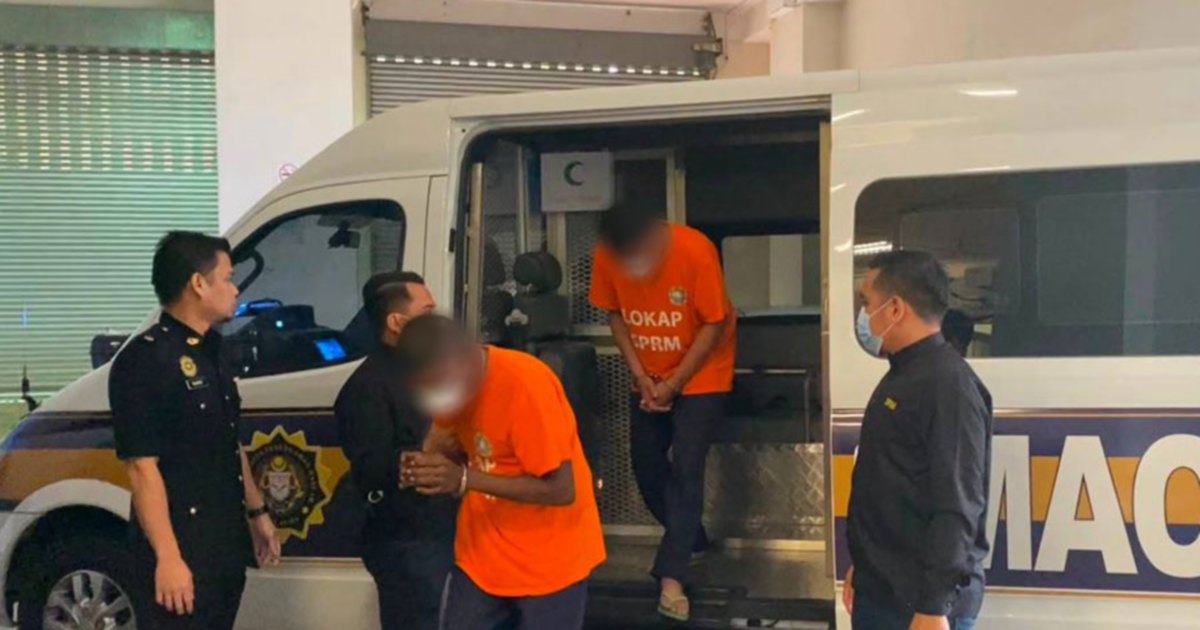
Authorities in Kuantan have detained two highway patrol officers following allegations that they systematically accepted payments from motorists in exchange for overlooking traffic violations committed on the East Coast Expressway 2 (LPT2). The arrests represent another instance of alleged corruption within Malaysia's traffic enforcement apparatus and underscore persistent challenges in maintaining integrity within frontline law enforcement services.
The detention of these personnel signals renewed scrutiny of operations along a major corridor that connects several states and carries significant daily traffic volumes. The LPT2 handles substantial commercial and private vehicle movements, making consistent and transparent enforcement practices essential for both road safety and public confidence in authorities. Allegations of selective enforcement undermine these objectives and create perceptions of unequal treatment among the travelling public.
Cases involving traffic officers accepting bribes have surfaced periodically across Malaysia, suggesting this remains an area of vulnerability within enforcement structures. The mechanisms enabling such schemes typically involve officers signalling to motorists that violations can be overlooked for cash payments, thereby circumventing formal traffic procedures and penalties. Such arrangements deprive the government of revenue while simultaneously compromising the deterrent effect intended by traffic regulations.
The implications for road safety are particularly concerning, as enforcement inconsistency may embolden repeat offenders and undermine compliance among drivers who believe they can evade consequences through financial inducement. When motorists lose confidence that traffic laws will be consistently applied, compliance rates decline broadly, creating hazardous conditions for all road users. This cascading effect extends beyond the individuals directly involved in corrupt arrangements.
The investigation occurring in Kuantan, the capital of Pahang, draws attention to oversight mechanisms within the Royal Malaysia Police structure responsible for highway patrol operations. Internal accountability systems and supervisory frameworks must be examined to determine whether warning signs existed earlier and whether monitoring systems were sufficiently robust to detect these alleged activities sooner. Transparency in handling such cases strengthens public trust in the institution's commitment to rooting out misconduct.
For Malaysian motorists and businesses operating in the region, these arrests carry practical implications. Legitimate drivers who have been paying bribes or modifying behaviour to account for perceived selective enforcement may reassess their assumptions. Meanwhile, enforcement integrity along the LPT2 corridor requires systematic restoration through clear protocols, enhanced supervision, and consequences for misconduct that demonstrate the institution takes such breaches seriously.
The broader context of traffic law enforcement in Southeast Asia reveals this is not an isolated Malaysian phenomenon. However, high-profile cases and sustained consequences for offending officers can gradually shift institutional culture and deter potential wrongdoers. Investment in technology such as dashboard cameras, automated toll systems, and digital ticketing reduces opportunities for informal arrangements and creates documented records of enforcement actions.
The detention phase represents a critical juncture in the investigative process. Authorities must determine the scale and duration of the alleged scheme, the number of motorists involved, the approximate sums obtained, and whether supervisory personnel failed to exercise adequate oversight. Comprehensive investigation protects the integrity of any subsequent legal proceedings and prevents accusations of selective or incomplete inquiry.
From a public administration perspective, these allegations highlight the importance of structural safeguards within enforcement agencies. Regular rotation of personnel, internal affairs investigations, community reporting mechanisms, and whistleblower protections create friction against corruption. Conversely, environments with minimal oversight, extended deployments, and weak accountability cultures become susceptible to these violations.
The road safety implications ripple outward to businesses dependent on highway transportation. Freight operators, courier services, and logistics companies rely on predictable enforcement environments where traffic laws are consistently applied. When corruption perception or actual corruption creates uncertainty, operational planning becomes more difficult and costs may rise as companies account for unexpected delays or legal complications.
These arrests also reflect evolving enforcement strategies. Beyond individual officer misconduct, authorities increasingly recognize that systemic vulnerabilities require institutional responses. Training programmes emphasizing ethical conduct, career consequences for corruption, and transparent complaint mechanisms all contribute to creating environments where officers understand that breaching public trust carries serious personal and professional costs.
Moving forward, the Kuantan case will likely influence how traffic enforcement supervisors approach oversight along the LPT2 and similar corridors nationwide. Enhanced accountability measures, whether procedural, technological, or structural, demonstrate commitment to integrity. Public communication regarding investigation outcomes and corrective measures strengthens institutional credibility and reinforces that enforcement standards matter.

