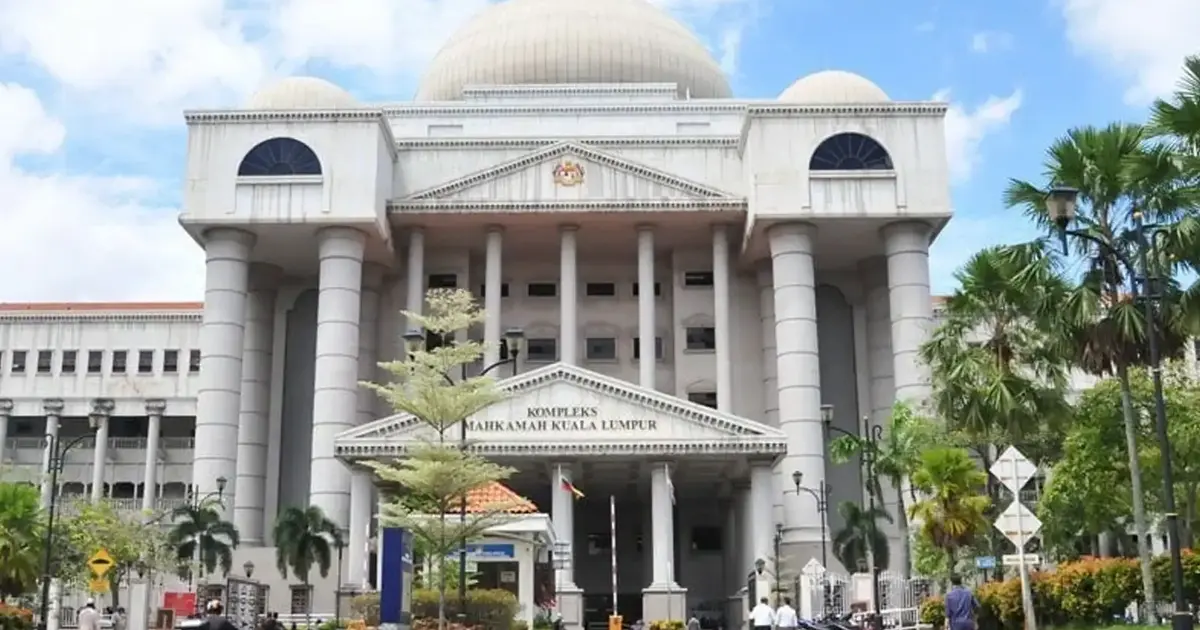
A landmark judgment from Malaysia's High Court has clarified an important procedural distinction in intellectual property disputes, holding that minor delays in serving formal responses to trademark applications will not automatically result in dismissal of the case. The ruling establishes that the requirement to serve documents within a specified timeframe should be interpreted as directory guidance rather than a strict, binding obligation that renders proceedings void if breached. This decision carries significant implications for businesses navigating Malaysia's increasingly complex trademark registration system and offers welcome flexibility for legal practitioners managing intellectual property portfolios across Southeast Asia.
The court's reasoning centres on the distinction between mandatory procedural requirements and those that are merely directory in nature. When Parliament establishes rules governing civil procedure, courts must determine whether Parliament intended strict compliance to be an absolute prerequisite to continuing proceedings, or whether adherence to such requirements represents good practice without being essential to the validity of actions taken. In this case, the judge concluded that the "same time" requirement for serving a counterstatement falls into the latter category. This interpretation reflects a broader principle in Malaysian jurisprudence that procedural rules should facilitate justice rather than obstruct it through technicalities.
The distinction between mandatory and directory requirements has long been a source of contention in Malaysian legal practice. Practitioners have previously faced uncertainty about which procedural steps, if breached, would result in automatic dismissal versus which could be remedied or overlooked without fatal consequences. The High Court's determination to treat the service requirement as directory signals a maturing approach to procedure in trademark law, one that prioritises the substantive merits of cases over formal compliance when only minor deviations occur. This stance reflects growing recognition that intellectual property disputes often involve complex technical and commercial questions that deserve adjudication on their merits.
Trademark disputes in Malaysia have historically been complicated by overlapping jurisdictional issues between the High Court and the Intellectual Property Office's administrative procedures. Applicants and respondents must navigate multiple procedural frameworks, each with its own timing requirements and service obligations. A two-day delay in serving a counterstatement, particularly in complex intellectual property matters involving extensive factual investigations or international elements, can occur through administrative oversight or unforeseen circumstances rather than deliberate non-compliance. The High Court's pragmatic approach recognises these realities of modern legal practice, where parallel proceedings and coordination with multiple agencies can create genuine timing pressures.
The implications extend beyond individual disputes to the broader intellectual property ecosystem in Malaysia. Businesses seeking trademark protection often face significant costs not only in registration fees but in legal representation to navigate procedural requirements. When rigid procedural rules create opportunities for dismissal based on minor timing violations rather than substantive legal issues, the resulting uncertainty increases transaction costs and discourages smaller enterprises from protecting their intellectual property rights. The High Court's decision to adopt a more flexible interpretation thus promotes greater access to the trademark system and reduces the barrier to entry for Malaysian and regional companies seeking legal protection for their brands.
For legal practitioners advising clients on trademark strategy, the judgment provides useful guidance on risk assessment when managing application timelines. While the court has established that minor delays will not be fatal, this does not constitute an invitation to disregard procedural deadlines. Practitioners must still exercise diligent case management and attempt to comply with specified timeframes, understanding that courts retain discretion to impose consequences for significant or repeated delays even where they are not automatically fatal. The ruling instead establishes a spectrum of consequences rather than an all-or-nothing approach to procedural compliance, allowing judges to address each case according to its particular circumstances.
The decision also reflects comparative trends in intellectual property jurisprudence across Southeast Asia. Singapore's courts have similarly adopted flexible approaches to procedural requirements in intellectual property matters, recognising that the substance of competing trademark rights often outweighs technical procedural violations. Thailand's intellectual property system has likewise evolved toward substantive examination rather than dismissal on procedural grounds. Malaysia's alignment with these regional approaches strengthens predictability for multinational enterprises operating across Southeast Asia and seeking consistent trademark protection strategies across multiple jurisdictions.
The trademark registration system itself has undergone significant modernisation in recent years, with the Intellectual Property Office introducing electronic filing systems and streamlined examination procedures. These technological improvements have reduced the likelihood of delays caused by postal delays or administrative backlogs. However, they have also created new complexity as applicants and their representatives must master different digital platforms and may face unexpected compatibility issues. Against this backdrop of system modernisation, a judiciary willing to treat reasonable service delays as non-fatal represents a sensible calibration of procedural expectations to current technological realities.
Looking forward, this judgment may influence how Malaysia's courts handle other procedural requirements in intellectual property disputes. The principle that directory requirements should not automatically nullify proceedings could extend to other timing-dependent obligations in patent, design, or copyright matters. This development would contribute to a more coherent and predictable intellectual property litigation environment, particularly important as Malaysia positions itself as a regional hub for innovation and intellectual property protection. For businesses with significant intellectual property portfolios spanning multiple jurisdictions, such predictability reduces compliance uncertainty and allows resources to focus on substantive legal strategies rather than procedural firefighting.

