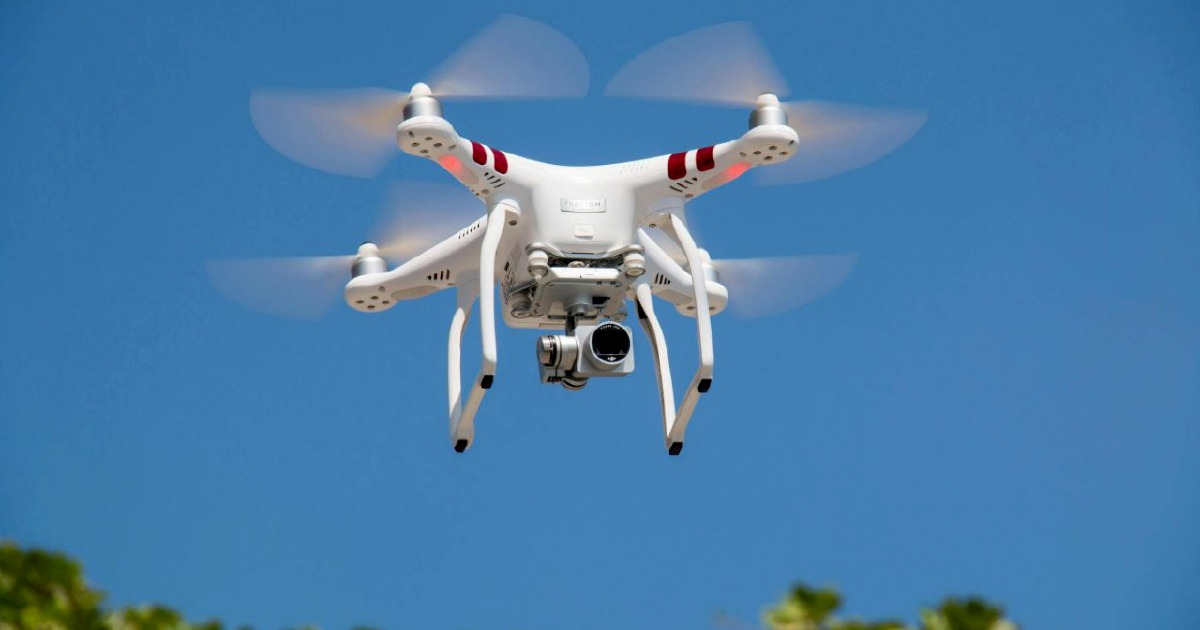
Police in Melaka have arrested two suspects in connection with an attempted smuggling operation targeting Sungai Udang Prison. The arrests came after authorities conducted a search at a residential house in Taman Kris Satria, Sungai Udang, on Wednesday, where they discovered a drone allegedly positioned for use in transporting contraband tobacco into the correctional facility.
The incident highlights an evolving challenge facing Malaysia's prison security infrastructure as organised criminal networks explore increasingly sophisticated methods to breach institutional defences. The use of unmanned aerial vehicles represents a significant departure from traditional contraband smuggling techniques, which have historically relied on corrupt staff members, visiting family networks, or concealment within legitimate supply deliveries to correctional facilities.
Sungai Udang Prison, located in southern Melaka, serves as a major holding facility for the state. Like prisons nationwide, it faces persistent pressure from organised criminal syndicates seeking to establish supply lines for illicit goods. Tobacco and related products command particular value within prison economies, where restricted access creates artificial scarcity and drives demand among incarcerated populations. The ready monetisation of such contraband makes tobacco an attractive target for smuggling operations seeking rapid returns.
The deployment of drone technology for this purpose reflects the adaptability of smuggling networks in response to security enhancements. Malaysian correctional authorities have progressively strengthened perimeter security measures, increased staff vigilance, and implemented visitor screening protocols over recent years. These conventional defences prove less effective against airborne delivery methods that bypass ground-level checkpoints entirely. The relatively low cost of acquiring consumer drones, combined with their ease of operation, renders them an economically viable tool for criminal enterprises operating with limited resources.
Penal institutions across Southeast Asia have similarly grappled with drone-assisted smuggling attempts. Thailand, Singapore, and the Philippines have all reported incidents involving unmanned aircraft delivering contraband to prison facilities, suggesting this phenomenon reflects a broader regional trend rather than an isolated Malaysian occurrence. The ability to deploy drones from locations distant from prison perimeters creates investigative challenges, as detection windows narrow significantly once the aircraft launches toward its target.
The investigation into this particular case revealed sufficient evidence to warrant formal arrests of the two suspects, though fuller details regarding their roles within the suspected smuggling operation remain undisclosed at this preliminary stage. Police procedures typically categorise such individuals along a spectrum ranging from direct operators managing the drone itself to financial backers providing capital and logistical coordination. The distinction carries implications for prosecution strategies and sentencing considerations within Malaysia's criminal justice framework.
Beyond the immediate criminal charges related to smuggling contraband into a correctional facility, authorities may pursue additional counts under telecommunications and public safety legislation depending on the investigation's trajectory. The Prisons Act contains provisions specifically addressing attempts to introduce prohibited items into custodial institutions, with penalties reflecting the seriousness with which the law treats such breaches of institutional security.
From a broader security perspective, this incident underscores vulnerabilities within Malaysia's prison management that extend beyond individual facility boundaries. Coordinated smuggling networks operating across multiple regions require sophisticated logistics and insider knowledge regarding prison layouts, security patterns, and staff rotation schedules. The apparent involvement of outsiders positioned to operate delivery devices suggests connections between incarcerated individuals and external accomplices capable of assembling and executing complex operations.
Correctional authorities nationwide have begun implementing counter-drone technologies at major facilities, including signal jamming equipment and detection radar systems. However, the proliferation of commercial drone models and their rapidly evolving capabilities create ongoing challenges for institutional security planners operating within constrained budgets. The cost-effectiveness calculus becomes increasingly difficult when comparing sophisticated anti-drone infrastructure investment against the relatively modest expenses incurred by smuggling networks.
Moving forward, the investigation's outcomes may illuminate recruitment patterns within criminal networks, financial flows supporting such operations, and the identities of incarcerated individuals benefiting from external supply arrangements. Malaysian police and correctional services typically share intelligence regarding these networks to prevent replication and disrupt established smuggling channels. Cooperation between prison security personnel and police agencies responsible for external investigations remains crucial for comprehensively addressing systemic vulnerabilities.
The Melaka case arrives amid broader discussions within Malaysian law enforcement regarding emerging threats to institutional security. As technology democratises access to previously specialised capabilities, correctional systems globally face the challenge of adapting defensive strategies without creating oppressive conditions for legitimate prison populations. Balancing security imperatives against humane treatment standards remains a persistent tension within modern penal administration.
For Malaysian readers concerned with public safety and institutional integrity, such incidents serve as reminders that security vulnerabilities extend beyond external threats to encompassing coordinated internal-external criminal collaboration. The arrest of the two suspects represents an important enforcement action, yet addressing the systemic conditions enabling smuggling networks requires sustained investment in both technological upgrades and intelligence-gathering capacity within correctional services.

