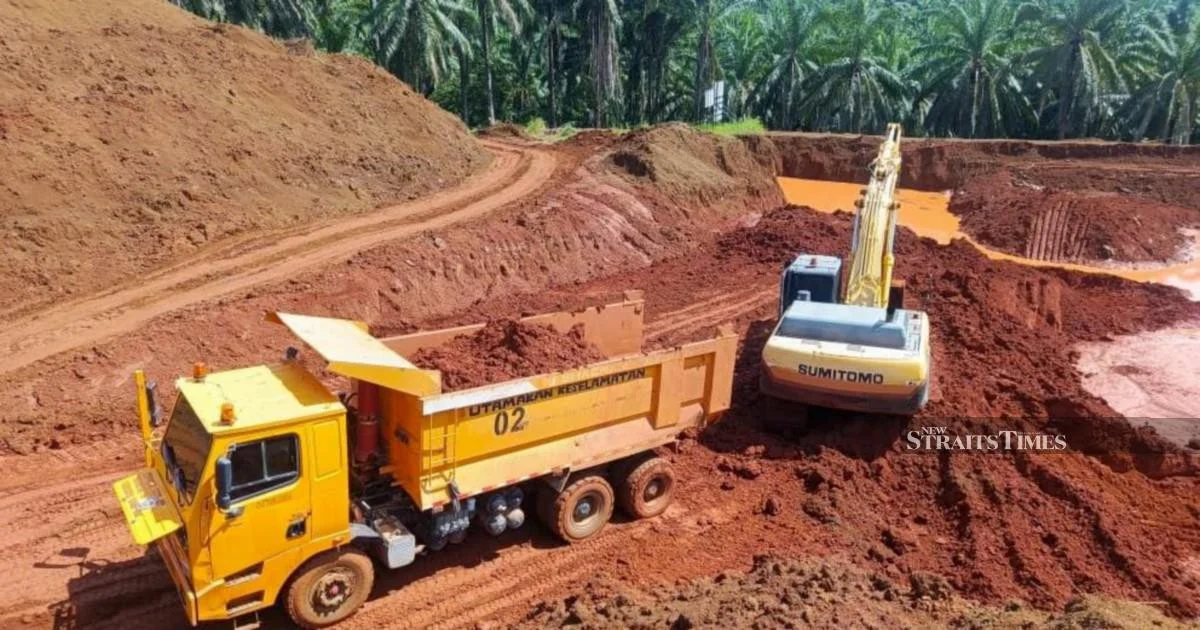
Law enforcement authorities in Terengganu have detained two individuals in connection with an illegal silica sand operation discovered in Marang, with the seizure of substantial equipment marking a significant blow against smuggling networks in the state.
The arrests represent the latest enforcement action targeting the extraction and unlawful distribution of silica sand, a mineral that commands considerable value in industrial applications. The seized machinery, estimated at RM1.8 million, indicates the scale of operations being run by those involved in the scheme.
Silica sand remains a critical raw material for industries ranging from glass manufacturing and foundries to construction and semiconductor production. The illegal extraction and trade in this resource has become a persistent challenge across Malaysia, particularly in states where deposits are abundant. The enforcement action underscores growing concerns about unregulated mining activities that bypass proper licensing and environmental safeguards.
Terengganu has emerged as a focal point for such illicit operations, given the state's substantial silica sand reserves and relative proximity to processing and export networks. The movement of bulk mineral materials typically requires coordination with multiple parties, suggesting the two arrested men were likely part of a broader network engaged in sourcing, transporting, and distributing the contraband material.
The value of confiscated equipment provides insight into the sophistication and investment behind illegal mining enterprises. Operators invest heavily in machinery to maximize extraction and processing efficiency, calculated risks weighed against potential penalties and enforcement actions. The scale of equipment seized in this instance indicates these were not opportunistic or small-scale operators but organized participants in an established smuggling pipeline.
Environmental consequences of illegal silica sand extraction extend beyond revenue loss to the government and unfair competition for legitimate operators. Unregulated mining depletes landscapes, disrupts water systems, and creates hazardous conditions for surrounding communities. By dismantling such operations, enforcement agencies simultaneously protect both state interests and environmental integrity.
The crackdown reflects intensified cooperation between relevant authorities in detecting and disrupting illegal mining activities. Intelligence gathering, surveillance, and coordinated raids have become increasingly effective tools in combating organized extraction networks. The timing and precision of such operations suggest improved information sharing and tactical coordination among enforcement bodies.
For legitimate businesses in the silica sand sector, enforcement actions create a more level playing field by reducing competition from operators who avoid licensing fees, environmental compliance costs, and tax obligations. Companies operating within regulatory frameworks bear significantly higher operational costs, making price competition from black-market operators particularly problematic without sustained enforcement.
The broader regional context reveals similar challenges across Southeast Asia, where resource-rich states struggle to manage illicit mining. Malaysia's position as both a major industrial economy and a source of valuable minerals makes it attractive to smuggling networks seeking to supply regional and international markets. Silica sand destined for export generates substantial revenue through legitimate channels when properly taxed and regulated.
Investigation into the arrested individuals will likely reveal supply chains, customer networks, and involvement of other parties in the operation. Authorities typically pursue such cases comprehensively to dismantle entire networks rather than focusing solely on those caught in direct execution of transfers. Intelligence gathered may generate leads enabling authorities to pursue upstream suppliers and downstream purchasers.
The value of equipment seized—RM1.8 million—will be processed according to asset forfeiture procedures, with proceeds typically directed toward law enforcement agencies or state revenue. Beyond immediate financial impact, the loss represents operational disruption that may delay or derail other planned activities by the network.
Going forward, the incident highlights the need for continued vigilance in monitoring extraction and transportation activities in mineral-rich areas. Technology-enabled tracking systems and enhanced coordination between agencies offer potential for more proactive intervention before large-scale operations become entrenched. Stronger penalties and prosecution standards may also serve as deterrents against entry into smuggling networks.
For Malaysian policymakers, the persistent challenge of illegal silica sand operations underscores broader questions about resource management and enforcement capacity. Balancing legitimate development with environmental protection and revenue security requires sustained commitment to both prevention and prosecution of violators.

