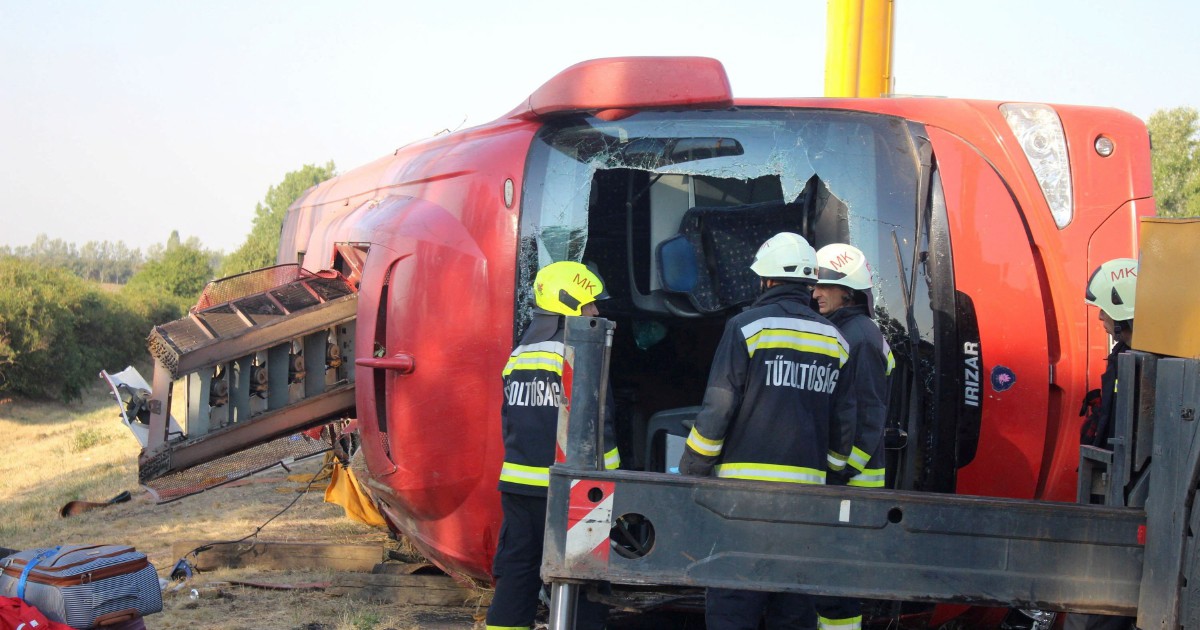
A tragic accident unfolded on a Hungarian motorway in the early hours of Sunday when a Polish-registered coach veered off the road and overturned, resulting in what authorities are describing as a major transportation disaster. The incident claimed twelve lives and left at least ten additional passengers with serious injuries requiring immediate medical attention. Hungarian Prime Minister Peter Magyar and other government officials confirmed the severity of the incident, which occurred during early morning hours when traffic conditions on the highway were relatively light.
The overturning of the long-distance coach on the Hungarian highway highlights the persistent safety challenges associated with cross-border coach travel across Central and Eastern Europe. Long-distance coaches operating routes between Poland and destinations further south or west often traverse Hungarian roads as a critical transit corridor. The vulnerability of passengers in such vehicles during accidents, particularly when coaches overturn at speed, continues to be a significant public health concern across the region.
Emergency services responded rapidly to the scene following alerts from other road users and emergency calls. The scale of injuries—including twelve fatalities and double-digit serious injuries—suggests the impact was severe enough to cause substantial structural damage to the vehicle. Medical facilities across the region were mobilised to accommodate the influx of injured passengers requiring treatment ranging from emergency trauma care to ongoing hospitalisation for those with critical injuries.
Hungarian authorities launched an immediate investigation into the circumstances surrounding the accident. Questions typically examined in such incidents include vehicle maintenance records, driver fatigue, weather conditions, road surface quality, and potential mechanical failures. The early morning timing of the crash raises particular questions about driver alertness, given that long-distance coaches frequently operate on schedules that may require extended driving periods or overnight travel.
The incident carries significant implications for the transport industry across the Central European region, where thousands of passengers daily rely on coach services for affordable long-distance travel. Many operators provide budget-friendly alternatives to rail and air travel, making them particularly important for economically-conscious travellers and those travelling between smaller towns not served by other transport modes. Safety standards and compliance become especially critical given the sheer volume of journeys undertaken annually.
For Malaysian readers, such incidents abroad serve as important reminders about the variable safety standards across different countries and transport operators. While Malaysia has established robust safety protocols for coach travel, especially following high-profile incidents in recent years, similar challenges persist globally. The importance of choosing operators with strong safety records, maintaining awareness of vehicle condition, and understanding local regulations becomes apparent when viewing international transport incidents.
The geographical context of this accident is noteworthy, as Hungary serves as a crucial transit point for coaches and vehicles moving between Central Europe and destinations further south, including the Balkans and Turkey. The highway network in Hungary, while modern in many sections, carries enormous volumes of traffic daily. Accidents on these strategic routes can have cascading effects on regional traffic patterns and transport operations.
Preliminary reports will eventually be supplemented by comprehensive investigations into whether mechanical failure, driver error, adverse weather conditions, or road defects contributed to the overturn. International coach operators face stringent regulations regarding vehicle maintenance, driver working hours, and safety equipment, yet enforcement and compliance remain inconsistent across different jurisdictions.
The emotional and social impact of such incidents extends far beyond the immediate victims and their families. Entire communities in Poland connected to the deceased passengers will experience profound grief, and the accident will likely influence public perception of coach travel safety across the region. Insurance claims, legal proceedings, and diplomatic communications between Poland and Hungary will likely follow as authorities determine liability and appropriate compensation.
Beyond the tragic human cost, such accidents prompt broader conversations about transportation infrastructure, regulatory oversight, and international cooperation on safety standards. The European Union has established various directives governing coach safety, yet the implementation and enforcement of these standards can vary significantly between member states. Hungarian authorities will face scrutiny regarding road maintenance and safety measures along the highway where the incident occurred.
The incident also underscores the challenges faced by cross-border bus operators navigating multiple regulatory environments, different vehicle standards, and varying enforcement mechanisms across countries. While deregulation has increased competition and affordability in coach travel, concerns persist regarding whether safety has been compromised in the pursuit of lower fares and operational efficiency.
As investigations proceed and the full circumstances emerge, this tragedy will likely inform policy discussions across Central Europe regarding enhanced safety protocols, improved infrastructure monitoring, and stronger regulatory enforcement. For passengers considering long-distance coach travel through the region, it serves as a sobering reminder of the importance of operator selection and travel safety awareness.

