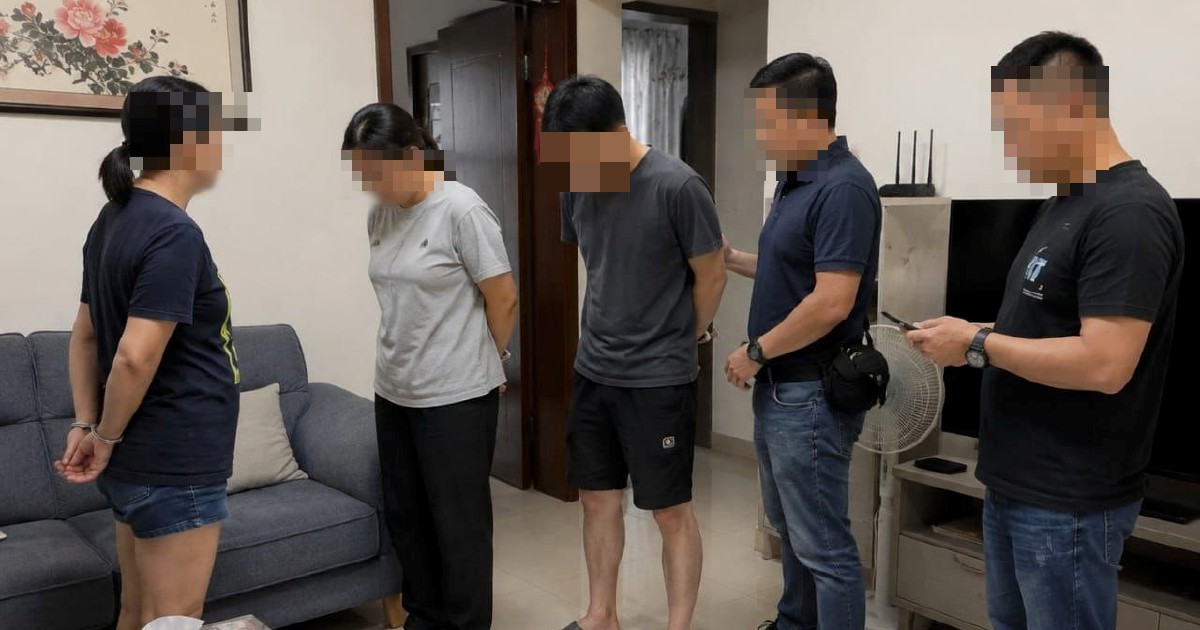
Police in Sabah have successfully broken up an organised fraud ring that systematically extracted roughly RM600,000 from unsuspecting victims by offering a range of spiritual services purportedly designed to reverse misfortune and cleanse negative energy. The operation, which culminated in the arrest of twelve individuals, represents a significant law enforcement achievement in addressing the growing problem of unscrupulous practitioners exploiting vulnerable people through pseudo-religious schemes across the state.
The syndicate operated by marketing themselves as spiritual healers capable of diagnosing and rectifying various forms of bad luck and negative influences affecting their clients' lives. They utilised established techniques common to advance-fee fraud schemes, beginning with fortune-telling sessions that invariably identified supposed supernatural afflictions requiring expensive remedial rituals. These purported cleansing ceremonies supposedly drew upon ancient spiritual knowledge, creating an aura of legitimacy and mysticism designed to overcome the natural scepticism of potential victims.
The mechanics of the deception followed a familiar pattern employed across similar operations throughout Southeast Asia. Initial consultations were typically offered at low or no cost, establishing trust and positioning the operators as benevolent practitioners. Once rapport was established, however, victims were informed of increasingly serious spiritual complications requiring progressively expensive interventions. Many victims reportedly submitted to multiple sessions and ceremonies, each time being assured that complete resolution required just one additional payment or ritual.
This variety of fraud preys particularly heavily on individuals experiencing genuine hardship or uncertainty—those facing unemployment, relationship difficulties, health concerns, or financial instability. The operators capitalised on the human tendency to seek explanations and solutions when facing inexplicable misfortune, presenting their services as gateways to remedy and relief. By framing their activities within spiritual or religious contexts, they attempted to evade scrutiny by claiming protected status under freedom of religious practice, though the commercial dimension of their operations clearly separated them from legitimate spiritual guidance.
The investigation that led to these arrests involved coordination between various police units and likely included victim complaints aggregated over months or years. The precision of the RM600,000 figure suggests meticulous documentation of financial transactions and cash flows within the group. Authorities would have needed to establish clear links between individual suspects and specific transactions, distinguishing between those who played leadership roles in recruiting and manipulating victims versus those involved in operational or financial management.
For Malaysian society, particularly in Sabah where the case occurred, this bust underscores persistent vulnerabilities in how people access information about unproven therapies and spiritual practices. The internet and social media have exponentially expanded the reach of such operators, allowing them to target victims across geographical boundaries and maintain multiple identities simultaneously. Networks can now operate with minimal physical infrastructure, conducting much of their business through messaging applications and online payment systems.
The case also highlights gaps in consumer protection frameworks specifically addressing spiritual services and alternative therapies. Unlike medical practitioners, spiritual healers in Malaysia operate in a largely unregulated space where minimal credentialing requirements or ethical standards apply. This regulatory vacuum creates opportunities for fraudsters to position themselves alongside legitimate spiritual counsellors and traditional healers who provide genuine value to their communities. Distinguishing between exploitation and sincere spiritual practice remains legally and culturally complex.
Police investigations into such networks typically uncover connections to other criminal enterprises. Fraud syndicates operating at this scale often cross-subsidise their operations through money laundering, loan sharking, or involvement in human trafficking. The personal details and financial information extracted from victims during consultations can also be sold to other criminal groups for targeted scams or extortion.
The dismantling of this particular ring should serve as a cautionary message to potential victims across Sabah and beyond. Legitimate spiritual practitioners generally do not charge substantial fees for consultations, do not identify progressively worsening conditions requiring ever-more-expensive solutions, and do not guarantee specific life outcomes through ritual interventions. Scepticism toward unsolicited spiritual diagnoses and resistance to pressure for immediate payments remain reliable protective strategies.
Government and civil society organisations in Sabah should consider enhanced public awareness campaigns targeting vulnerable demographics—the elderly, recent migrants, and those experiencing acute personal crises. Education about common fraud tactics, combined with accessible reporting mechanisms, can help reduce the incidence of similar victimisation. Police commendation of this successful operation reflects growing institutional capacity to pursue financial crimes, though sustained resources and specialised training remain necessary to address the sophisticated methods increasingly employed by fraud syndicates operating across digital platforms throughout the region.

