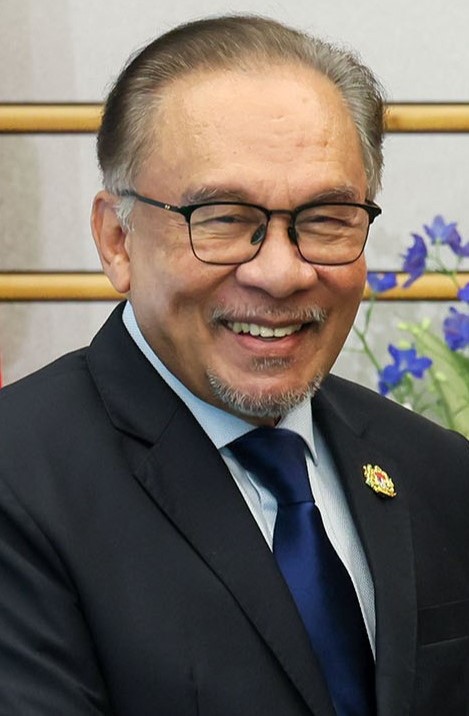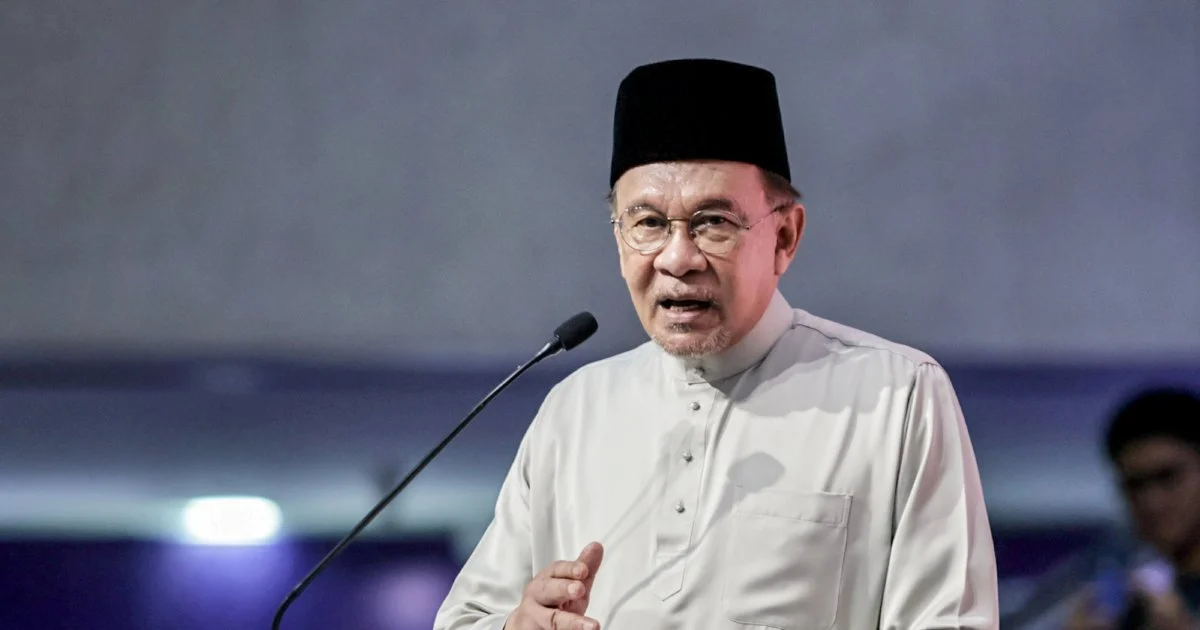
The Tunku Mahkota of Johor, Tunku Ismail Sultan Ibrahim, received Prime Minister Datuk Seri Anwar Ibrahim at a meeting in Kuala Lumpur, with both parties confirming the encounter proceeded in a cordial and harmonious manner. The face-to-face engagement between the two high-ranking officials marks a moment of formal diplomatic engagement at the intersection of Malaysia's royal and executive branches of governance.
Such audiences between the Tunku Mahkota and the Prime Minister carry particular significance within Malaysia's constitutional framework, where the relationship between the monarchy and the executive government operates under carefully balanced protocols. The Johor royal household occupies a prominent position in the Federation, given both its historical standing and the state's substantial economic and political influence. When senior members of the royal family engage directly with the Prime Minister, these interactions often signal broader messages about the state of affairs between federal leadership and regional power bases.
Tunku Ismail Sultan Ibrahim has maintained a notably active public and institutional profile in recent years, participating in various state and national affairs while also cultivating a visible presence on social media platforms. His engagement with the federal government through this audience suggests continuity in the established channels of communication between Johor's leadership and Putrajaya. The characterisation of the meeting as cordial and harmonious indicates an absence of tensions or disagreements that might otherwise dominate public discourse, which itself carries value in the broader context of Malaysian political stability.
The timing and location of such audiences often merit consideration within political analysis. Hosting the meeting in Kuala Lumpur rather than in Johor carries logistical and symbolic implications, suggesting an initiative that emanated from or accommodated the Prime Minister's schedule and official movements. The choice to make the audience public through official channels demonstrates a willingness by both parties to ensure transparency and acknowledge the legitimacy of their engagement to the broader Malaysian public.
Malaysia's constitutional monarchy operates through a complex web of ceremonial, advisory, and symbolic functions distributed across the federal and state levels. The Tunku Mahkota, as the presumptive heir to the Johor throne, functions not merely as a member of the royal family but as a stakeholder in governance structures that bridge state and federal interests. Direct meetings between such figures and the Prime Minister serve to maintain the operational coherence of this system, ensuring that informal communications complement the formal governmental apparatus.
The audience occurs within a broader context of Malaysian political life that has witnessed significant transitions over recent years. The return of Datuk Seri Anwar Ibrahim to high office represented a substantial shift in the political landscape, and his premiership has involved extensive efforts to consolidate support across diverse constituencies and power structures. Engagement with royal figures at both federal and state levels forms part of this consolidation process, as maintaining harmonious relations with the monarchy remains essential for any Malaysian government seeking stability and legitimacy.
From a Southeast Asian perspective, Malaysia's system of constitutional monarchy distinguishes it within the regional context, where the balance between royal authority and democratic governance presents ongoing questions about institutional relationships. The ability of various governments to maintain cordial relations with the monarchy across different political transitions demonstrates the resilience of these foundational institutional relationships. For Malaysian citizens and regional observers, such audiences serve as barometers of governmental stability and the absence of constitutional tensions.
The Johor royal family's particular prominence stems not only from the state's historical significance but also from its substantial economic footprint, including major real estate and infrastructure interests. Business and development decisions that affect both state and federal interests occasionally require coordination between the royal household and the federal government, making regular dialogue between the Tunku Mahkota and the Prime Minister practically valuable beyond their ceremonial dimensions.
Official characterisations of meetings as cordial and harmonious, while seemingly formulaic, carry weight in Malaysian political communication. Such language signals to domestic and international audiences that relationships remain on stable footing and that disputes, should they exist, have not escalated to the point of requiring public acknowledgement. The explicit mention of the meeting's positive character suggests that organisers wished to foreclose speculation about underlying tensions or disagreements between the two figures.
Looking forward, the maintenance of such regular engagement between the Prime Minister and senior members of the royal families across Malaysia's states will likely remain important for governmental continuity. The Tunku Mahkota's eventual succession to the Johor throne will further elevate the importance of the relationships he cultivates with federal leaders during his current role, potentially shaping how state-federal relations evolve across the coming decade.
For Malaysian observers monitoring the health of the nation's institutions and the stability of its political order, such audiences provide reassuring evidence that the machinery of constitutional governance continues to function as intended, with different centres of power maintaining appropriate channels of communication and coordination.