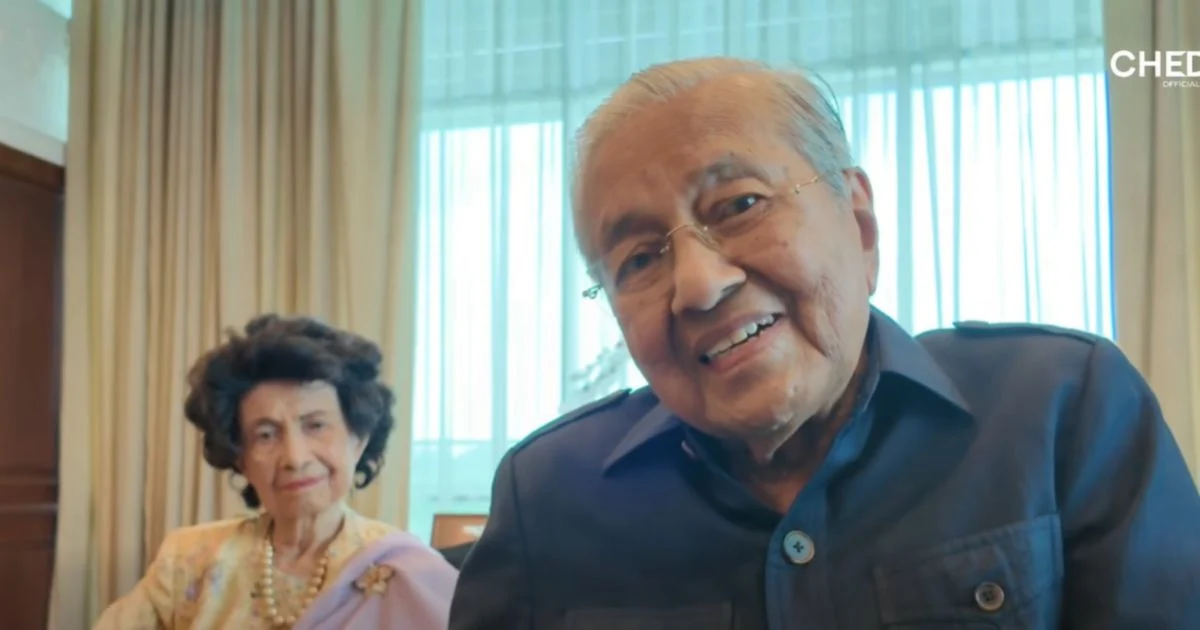
Former Prime Minister Tun Dr Mahathir Mohamad has publicly extended his thanks to Malaysians across the country for the heartfelt flood of birthday wishes and greeting cards that arrived for his 101st birthday celebration. The appreciation came in the form of a video message, capturing the sentiments of a respected elder who has remained a prominent figure in Malaysian public discourse long after his tenure as the nation's fourth and seventh prime minister.
The milestone birthday represents a remarkable achievement in longevity and continued relevance within Malaysian society. Tun Mahathir, whose tenure as prime minister spanned two separate periods, has maintained an active voice in national affairs through writing, public appearances, and political engagement. At 101 years of age, the recognition he received underscores the deep connection many Malaysians maintain with his legacy, whether supporters or those who engage with his perspective as part of the nation's ongoing democratic conversation.
The volume of well-wishes highlights the broad appeal that Tun Mahathir maintains across different demographic segments. From political colleagues to ordinary citizens, the groundswell of birthday greetings demonstrates how figures who have held significant national office often transcend traditional party lines to command respect based on longevity, political acumen, and their place in Malaysia's historical narrative. The diversity of those sending wishes—cutting across generational, ethnic, and regional boundaries—reflects his status as a figure whose influence extends beyond narrow political constituencies.
Tun Mahathir's video message conveyed genuine warmth and an awareness of the affection directed toward him. The public expression of gratitude serves multiple purposes: it acknowledges the goodwill of ordinary Malaysians, reinforces his connection to the broader public, and demonstrates humility in accepting recognition. Such gestures, while seemingly simple, carry weight in Malaysian political culture, where elder statespersons traditionally command respect and their acknowledgements are received as important contributions to national discourse.
The occasion also provides a moment for Malaysians to reflect on the nation's political history and the role that Tun Mahathir has played in shaping contemporary Malaysia. His two separate stints as prime minister bookended several critical periods of national development. The birthday celebration becomes an informal opportunity for civic reflection on where the country has journeyed and the various personalities and policies that have defined its trajectory.
Beyond the immediate birthday celebration, Tun Mahathir's continued visibility at 101 years old raises questions about aging, health, and the role of elder statesmen in political systems. In Southeast Asia, where respect for age and wisdom remains deeply embedded in cultural values, the ability of senior figures to remain engaged with current affairs carries particular significance. Tun Mahathir's case exemplifies how individuals can maintain influence and relevance well into advanced age, particularly when they possess platforms to communicate their views.
The greeting cards and messages he received likely included contributions from a cross-section of Malaysian society. Government figures, opposition politicians, business leaders, civil society activists, and ordinary citizens all represent groups that might have taken the opportunity to send birthday wishes. This diversity reflects how individuals of major historical significance become part of the national consciousness in ways that transcend immediate political alignment or disagreement.
For younger Malaysians who came of age after Tun Mahathir's official retirement from office, his 101st birthday provides an occasion to recognise a figure whose decisions and policies continue to shape the environment they inhabit. Economic policies, infrastructure projects, institutional arrangements, and diplomatic relationships established during his administration remain embedded in contemporary Malaysian reality. This awareness typically generates recognition, if not always universal agreement.
The public acknowledgement of birthday wishes also serves as a reminder of Malaysia's traditions of respect for elders and the value placed on continuity with the past. In a region where rapid change and modernisation can sometimes overshadow historical memory, such moments anchor contemporary consciousness to previous eras and the individuals who helped define them. The cultural practice of marking centenarians and near-centenarians with public celebration reflects deeper values within Malaysian and Southeast Asian societies.
Tun Mahathir's ability to deliver a video message at 101 also communicates something about his continuing health and active engagement with the world. For public figures at such advanced ages, the demonstration of continued vitality—whether through written statements, video appearances, or other forms of public communication—carries symbolic weight. It reassures supporters and observers that the figure remains present and capable of expression, maintaining their standing as an active participant in ongoing national conversations rather than a historical relic relegated to memory.
The occasion ultimately reflects mutual acknowledgement between a significant historical figure and the nation he once led. Tun Mahathir's gracious acceptance of birthday wishes demonstrates awareness of his place within Malaysian consciousness, while the volume of messages he received indicates that public affection and recognition for his contributions continue to resonate widely. This exchange, seemingly simple on the surface, encapsulates important dimensions of how Malaysians engage with their political history and honour those who have played defining roles in shaping the nation's development.

