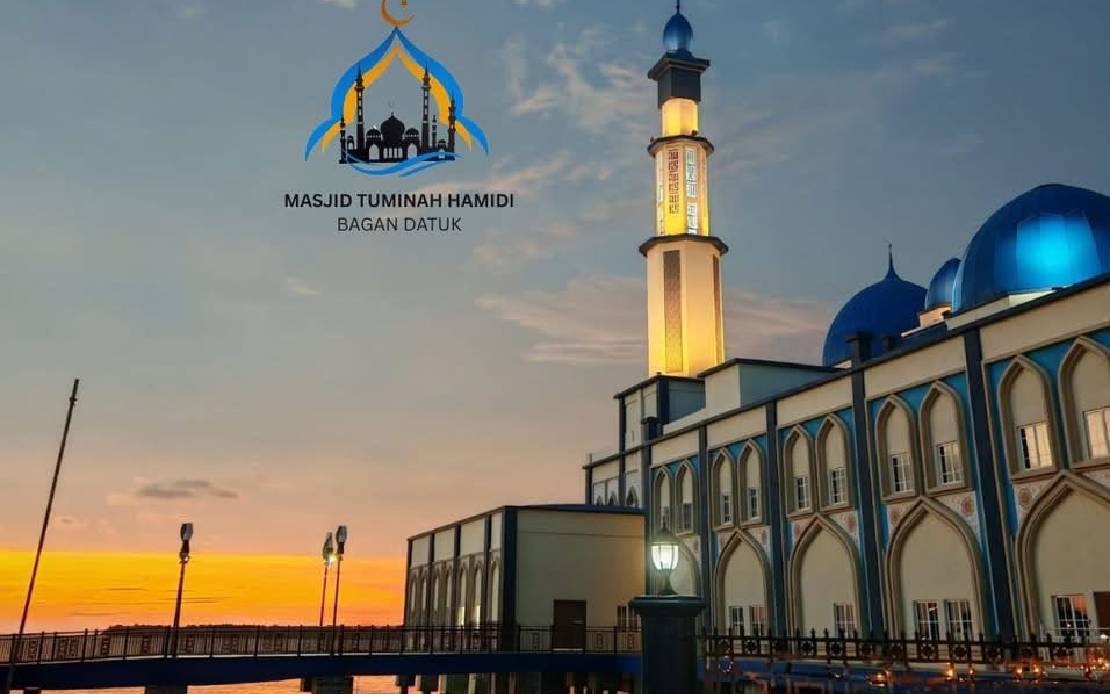
Malaysia is set to launch its first-ever National Mosque Open Day at the Tuminah Hamidi Mosque in Bagan Datuk, marking a significant milestone in the country's efforts to position mosques as inclusive community spaces. The three-day celebration, scheduled to run from August 13 to August 15, will welcome visitors from all backgrounds regardless of race, religion or nationality, with free admission throughout the event. The initiative represents a deliberate shift in how Malaysia's Islamic institutions engage with the broader public, moving beyond their traditional role as purely devotional spaces.
The Islamic Tourism Centre, operating under the Ministry of Tourism, Arts and Culture, is spearheading this inaugural event as part of its broader strategy to strengthen Malaysia's reputation as a leading Muslim-friendly tourism destination. By opening mosque doors to diverse audiences, the centre aims to foster greater cross-cultural understanding whilst simultaneously celebrating the architectural, historical and cultural significance of these institutions. The programme reflects a strategic pivot in how the nation markets its Islamic heritage to both domestic and international visitors, emphasising inclusivity and shared community values rather than religious exclusivity.
The opening day on August 13 will focus on spiritual and cultural enrichment, beginning with a Qasidah performance by the Nur Ahli Badar group followed by religious guidance sessions featuring prominent religious scholars Ustaz Habib Ali Zaenal Abidin Alhamid and Ustaz Habib Najmuddin Othman Alkhered. These sessions will provide visitors with insights into Islamic teachings and traditions whilst creating a welcoming atmosphere that encourages genuine engagement and dialogue. The programming strikes a careful balance between maintaining the spiritual dignity of the mosque whilst demonstrating its role as an educational institution open to learning seekers of all backgrounds.
August 15 will be the centrepiece of the celebration, transforming Dataran Bagan Datuk into a vibrant community festival that caters to all ages and interests. The festivities will commence with a brisk walk alongside actor Bell Ngasri, setting an energetic tone for the day's activities. This participatory element is particularly noteworthy, as it frames mosque engagement not merely as passive observation but as active community participation, normalising the presence of diverse visitors within Islamic spaces and fostering informal social connections.
The festival programme encompasses a diverse array of activities designed to appeal to visitors with varying interests and demographics. Traditional games will sit alongside modern sporting competitions, including a 3x3 street soccer tournament and e-sports competitions, demonstrating how mosques can serve as venues for contemporary recreational pursuits. Simultaneously, cultural demonstrations such as Islamic calligraphy workshops and the azan competition will provide opportunities for deeper engagement with Islamic traditions, whilst archery events and children's colouring contests ensure younger visitors have meaningful participation options. This multifaceted approach transforms the mosque experience into something far broader than religious instruction alone.
Entertainment will be provided throughout the day by personalities including Aril Pilus and Elly Mazlein, alongside live performances and cultural showcases that will maintain festive momentum. Exhibition areas will feature sharing sessions from various stakeholders, allowing businesses and community organisations to connect with visitors whilst contributing to the overall educational mission. Lucky draws and giveaways will add an element of excitement and incentive for exploration, ensuring sustained engagement across the three-day period.
Deputy Prime Minister Datuk Seri Dr Ahmad Zahid Hamidi will officially launch the National Mosque Open Day 2026, underlining the significance the federal government places on this initiative. This high-level political endorsement signals that mosque engagement and Islamic cultural tourism are viewed as policy priorities, potentially encouraging replication of similar events at other major mosques throughout the country. Such government backing also suggests that the programme aligns with broader national objectives around interfaith dialogue and social cohesion.
The National Mosque Open Day builds upon the Islamic Tourism Centre's existing monthly Mosque Open Day programme, which operates at various mosques across the country. Scaling this initiative to a dedicated national-level event at Bagan Datuk demonstrates growing institutional confidence in the model's effectiveness and public reception. The monthly format has apparently proven successful in demonstrating mosques as welcoming spaces, warranting expansion to a larger, more publicised format that can reach broader audiences and generate greater impact.
For the broader Southeast Asian context, Malaysia's initiative carries significance beyond national borders. As the region's largest Muslim-majority nation with a diverse population, Malaysia's approach to inclusive Islamic tourism can serve as a template for other countries seeking to balance religious authenticity with tourism development and intercommunal understanding. The programme demonstrates that commercial and spiritual interests need not be contradictory, and that religious institutions can simultaneously maintain their core functions whilst contributing to economic and social objectives.
The event organisers are leveraging digital platforms for promotion and engagement, directing interested parties to mymuslimtrip.com and encouraging followers via Facebook and Instagram. This digital-first approach recognises that contemporary tourism marketing operates across multiple channels, and that online presence is essential for reaching potential visitors, particularly younger demographics who may be unfamiliar with traditional mosque engagement. The use of social media also facilitates post-event engagement and documentation, potentially extending the programme's reach beyond those physically attending.
For Malaysian tourism authorities, this initiative represents an opportunity to capitalise on growing global interest in faith-based tourism and cultural experiences. By positioning mosques as accessible cultural destinations rather than exclusive religious spaces, Malaysia can attract visitors seeking authentic encounters with Islamic heritage, whether as part of broader travel itineraries or dedicated religious tourism experiences. The free admission policy particularly signals an egalitarian approach, removing financial barriers that might discourage economically disadvantaged or cautious first-time visitors.
The National Mosque Open Day's emphasis on community, culture and Malaysian hospitality reflects broader national narratives about pluralism and interfaith respect. By demonstrating that mosques can function as genuinely inclusive community spaces where people of all backgrounds gather, learn and celebrate together, the programme contributes to countering narratives of religious division or exclusivity. This positioning is particularly important in a region where interfaith tensions occasionally surface, and where demonstrable examples of peaceful coexistence and mutual respect carry significant diplomatic and social value.

