The world's largest travel operator has signalled tentative recovery in European tourism bookings as geopolitical tensions in the Middle East ease and consumers regain confidence in travel plans, even as the company reported a steep drop in quarterly profits. TUI, the German travel conglomerate, released financial results indicating that while the summer season remained challenging, momentum over the preceding four weeks had shifted decisively upward, suggesting the acute disruption that plagued the travel sector earlier this year may be entering its final stages.
The company's most recent quarter saw net profit plummet to €124.2 million, representing a 44.7 per cent decline from the corresponding quarter a year earlier, a contraction that investors initially received poorly despite more optimistic forward signals. Yet beneath these headline figures lies a more nuanced picture of recovery. Booked revenue for the summer period stood 6 per cent below the previous year's figures, a considerable shortfall that nonetheless obscures the trajectory of demand. Chief executive Sebastian Ebel emphasised on an earnings call that "business is coming back, it's normalising. We have seen strong weeks," drawing particular attention to a 7 per cent surge in bookings across the preceding month, a metric suggesting the worst of the downturn has passed.
The volatility affecting European tourism stems from multiple intersecting crises that have destabilised travel patterns throughout the region. The military confrontation between the United States and Israel against Iran has driven international jet fuel prices to elevated levels, a factor that cascades through airline operations and ultimately reaches consumer pricing decisions. Simultaneously, southern Europe has grappled with severe heatwaves and devastating wildfires across Spain, France, Portugal and Greece, creating environmental conditions that have deterred visitors and forced mass evacuations. These pressures combined have fundamentally altered summer travel patterns, compelling many holidaymakers to reconsider or postpone their plans entirely.
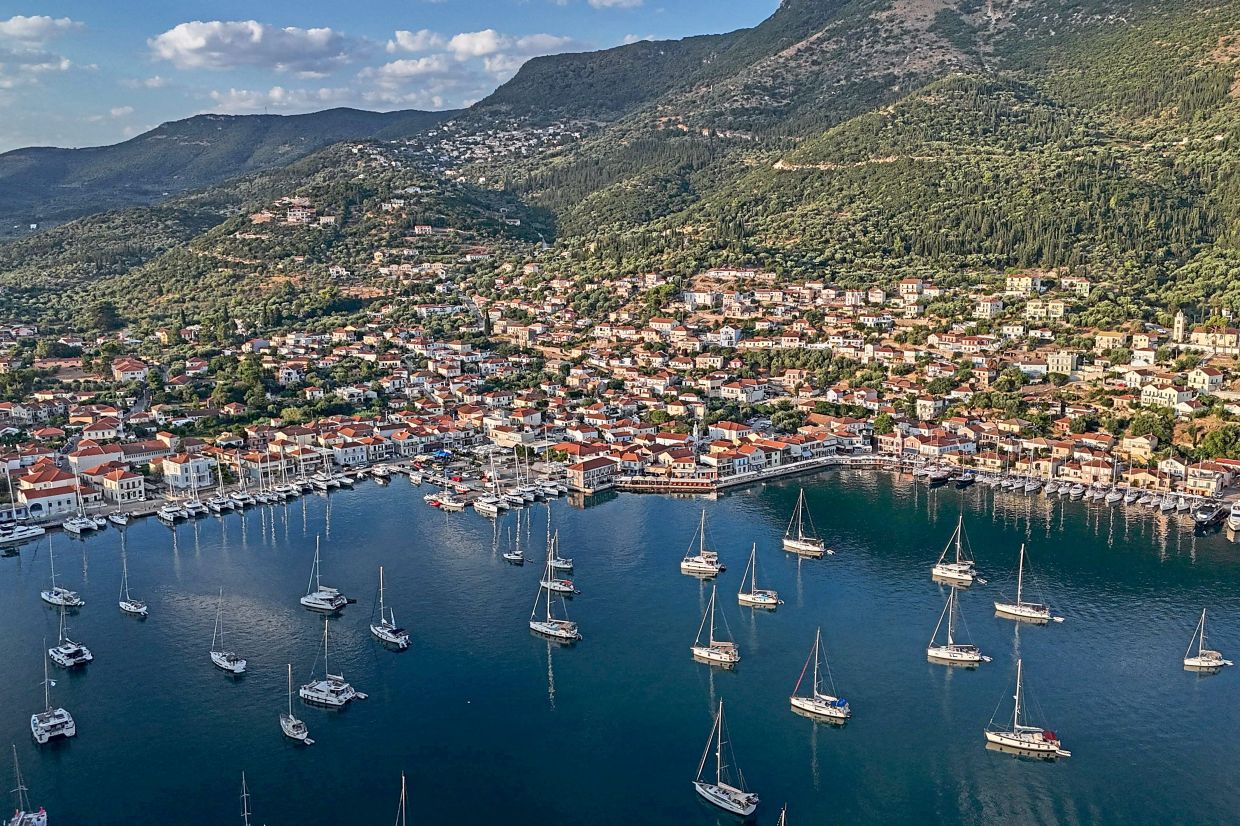
Hotel occupancy rates, a barometer of tourism health, provide additional evidence of stabilisation. The metric declined by three percentage points in the quarter ending June, but this represents a significant improvement from the six per cent fall recorded in the preceding six-month period, illustrating that the worst of the occupancy crisis has passed. The trajectory is particularly significant for regional hoteliers and hospitality operators across Southeast Asia and the Mediterranean who depend on international leisure travellers. TUI's disclosure of renewed interest in eastern Mediterranean destinations is particularly relevant, as it indicates that as geopolitical fears recede, consumer preferences are shifting back toward historically popular regions rather than permanently rotating toward alternative destinations.
The Middle East instability has created unprecedented operational challenges that extend far beyond pricing mechanisms. In April, TUI issued a formal profit warning following extraordinary measures that proved necessary to manage the crisis. The company was forced to initiate a costly repatriation operation to extract 10,000 travellers who found themselves stranded as conflict intensified, including 5,000 individuals who were aboard two cruise ships positioned in the Gulf. This evacuation represented a significant financial and logistical undertaking that compressed quarterly results and underscored the vulnerability of the travel industry to rapid geopolitical shifts. The fact that the company has since recovered booking momentum suggests that despite the shock and disruption of such events, consumer appetite for leisure travel persists once immediate security concerns diminish.
Interestingly, the severe European weather phenomena that might be expected to dampen bookings have not demonstrably affected TUI's customer acquisition to date. Ebel noted that the company had observed no material impact from the heat waves and forest fires that devastated parts of continental Europe, partly because many of TUI's destination markets experience cooler climates than Germany, which was particularly affected. Furthermore, the frequency of wildfires in non-Mediterranean destinations served by TUI has been below historical averages this season. This geographic diversification of TUI's portfolio has insulated the company from regional weather catastrophes, a structural advantage that many competitors lacking similar destination breadth cannot claim.
The company's leadership has adopted a longer-term perspective regarding climate volatility and its effect on travel seasonality. Ebel suggested that if hotter summers become a persistent feature of European summers, the phenomenon may ultimately reshape seasonal demand patterns rather than simply depress overall tourism volumes. He posited that more intense summer heat in traditional holiday months could prompt travellers to shift bookings toward shoulder seasons, namely spring and autumn, when temperatures are more moderate. This rebalancing could have significant implications for destination economies and the employment patterns within hospitality sectors that have historically concentrated staff and investment around peak summer periods.
TUI's recovery narrative must be contextualised within broader industry dynamics that remain distinctly uneven. While the company's recent booking trajectories have improved, the comparative decline in summer revenue and the substantial deterioration in year-on-year profitability demonstrate that the operating environment remains pressurised. Airlines and cruise operators continue absorbing elevated fuel costs that cannot be entirely passed to consumers without risking demand destruction. Hotel occupancy, though improving, remains below historical norms. The company's share price declined more than three per cent following the earnings announcement, reflecting investor wariness about the sustainability of recovery despite management's optimistic commentary.
For Malaysian and Southeast Asian travel operators, tourism boards and hospitality investors, the TUI results offer conflicting signals. On one hand, the demonstrated resilience of consumer demand for leisure travel after geopolitical shocks suggests that tourism can recover relatively quickly once acute crises resolve. The renewed appetite for Mediterranean destinations indicates that established tourism regions retain powerful drawing power. Conversely, the extreme volatility of profitability and the vulnerability to external shocks such as military conflict and extreme weather underscore the precariousness of tourism-dependent economies. Regional governments and operators seeking to build more resilient travel industries would be wise to diversify source markets, develop weather-resistant attractions and infrastructure, and invest in crisis management capabilities.
The company's financial trajectory and forward guidance will be closely watched by stakeholders across the global travel ecosystem. TUI's ability to sustain the nascent recovery while managing residual geopolitical risks and potentially intensifying climate volatility will provide a critical test of whether the international tourism sector can adapt to an era of greater instability. For now, the stabilisation of bookings and the modest sequential improvements in occupancy suggest that the acute panic affecting travel has dissipated, even as profound structural challenges remain unresolved.

