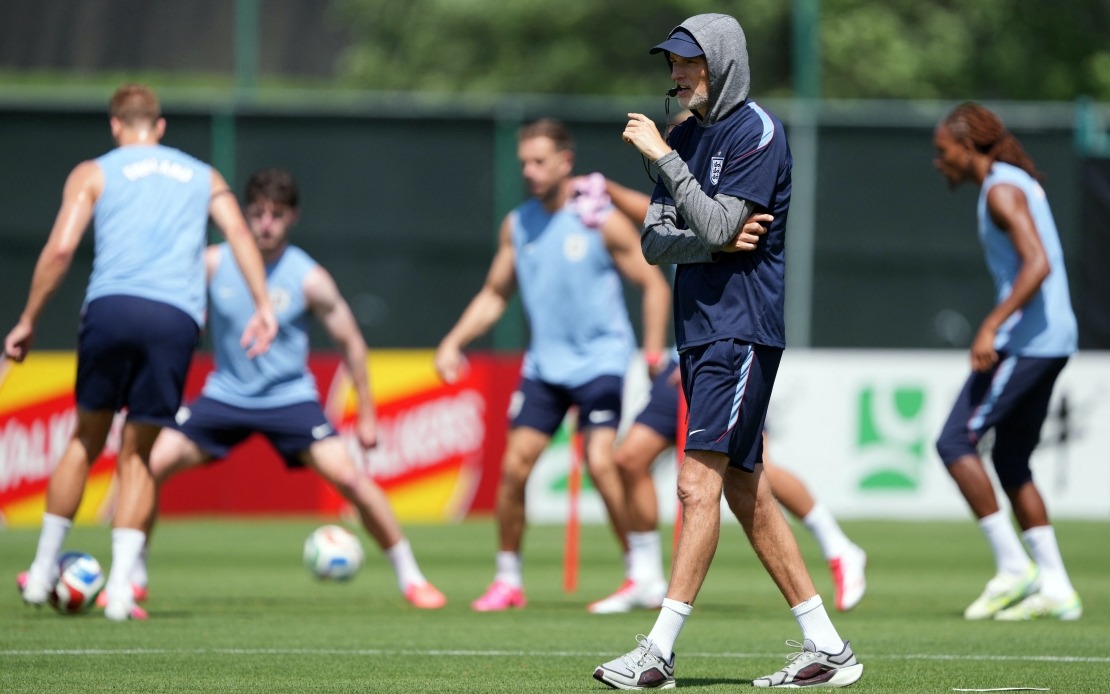
Thomas Tuchel has set his sights on combining victory with entertainment as England prepares for their World Cup last-32 encounter against the Democratic Republic of Congo, mindful that the unusual afternoon scheduling presents a rare opportunity to capture the attention of younger supporters who would normally be unavailable for evening matches. The contest in Atlanta will begin at 5 pm United Kingdom time, a stark departure from the evening slots that have characterised England's group-stage matches, creating ideal viewing conditions for school-age fans across the British Isles who would typically be asleep during traditional late-night kickoff times.
The scheduling shift represents a significant consideration for the England camp, as previous fixtures in the tournament have commenced at 9 pm against Croatia and Ghana, with their Panama victory following at 10 pm. Wednesday's afternoon slot fundamentally changes the accessibility calculus, allowing families with children to experience their nation's World Cup journey without the necessity of negotiating late-night viewing arrangements. Tuchel has explicitly acknowledged this demographic opportunity, viewing it as a responsibility to deliver not merely a positive result but an engaging spectacle that will inspire the next generation of English football supporters.
Yet the England manager has tempered expectations regarding the stylistic nature of the encounter, cautioning that Congo may not facilitate the kind of flowing, attacking football that typically captures imaginations and generates memorable moments. Tuchel's measured assessment reflects the unpredictable nature of knockout football, where opposing teams frequently adopt conservative tactical approaches designed to frustrate and exploit limited opportunities rather than engage in open, entertaining competition. His acknowledgement that "not everyone wants to play exciting football and front-foot football" demonstrates realism about the constraints that shape international football at the tournament's highest level.
Despite these potential tactical challenges, Tuchel remains confident that England can transmit something of genuine value to their younger audience, even if the match itself does not produce a classic encounter. He emphasises that entertainment extends beyond slick passing movements and clinical finishing, encompassing the visible intensity, commitment, and emotional investment that characterises elite-level competition. The England manager has suggested that young viewers, even if they witness a tightly contested affair, may derive profound satisfaction simply from perceiving the passion and significance the players attach to representing their nation on the world stage.
Tuchel's framing of the contest reveals an understanding that football's capacity to inspire extends well beyond the aesthetic qualities of play. For children experiencing their first England World Cup match, the mere fact of witnessing their national team competing at football's pinnacle carries weight independent of tactical sophistication or individual moments of brilliance. The manager's repeated emphasis on transmitting "spirit" and "energy" through television screens suggests he views the performance as functioning at multiple levels simultaneously—a practical football challenge to secure three points and progression, but equally an opportunity to kindle enthusiasm and loyalty among supporters not yet committed to lifelong allegiance.
The afternoon timing also introduces practical considerations regarding match duration and potential knockout complications. Should the contest require extra time or proceed to a penalty shootout to determine a winner, the scheduling advantage for young viewers could potentially dissipate, with proceedings extending into early evening. England goalkeeper Jordan Pickford has indicated the squad's readiness for such contingencies, emphasising that comprehensive training and preparation ensures psychological resilience regardless of whether victory emerges within conventional ninety-minute parameters or demands extended periods.
Pickford's calm assessment of potential extra-time scenarios and penalty situations reflects the professionalism pervading the England setup, though it underscores an inherent tension within Tuchel's vision of the occasion. A straightforward victory would maximise the entertainment value for young viewers and permit timely bed times consistent with school schedules; however, knockout football's inherent unpredictability means such ideal outcomes remain far from guaranteed. The goalkeeper's bracketing of various outcomes—ninety minutes, one hundred twenty minutes, penalties—demonstrates awareness that entertaining young supporters may ultimately require them to witness precisely the kind of nervous, attritional football that extends beyond comfortable viewing windows.
For Malaysian and Southeast Asian observers, the England-Congo encounter carries particular significance given the regional interest in World Cup progression and the broader performance of established football nations. The match represents a juncture where established hierarchies encounter less prominent representatives, often generating surprise outcomes or uncommon difficulties for favourites. Tuchel's evident respect for Congo's potential to disrupt England's rhythm, coupled with his acknowledgement that the opposition may not prioritise aesthetic football, reflects the reality that international tournaments frequently produce unexpected obstacles for highly regarded squads.
The broader context of England's campaign thus far provides crucial perspective for understanding the Congo fixture's importance. The team's progression through group matches has established them as serious contenders, yet knockout football introduces different imperatives where defensive solidity and capitalising on limited opportunities often supersede the expansive attacking approach that generated previous victories. Tuchel's team must recalibrate tactically while simultaneously managing the distinct challenge of maintaining young supporters' interest in what may prove a substantially more constrained contest than group-stage matches offered.
As England prepares for this fixture, the convergence of multiple considerations—the afternoon scheduling advantage, the responsibility to engage younger supporters, the unpredictable nature of knockout opposition, and the logistical possibility of extended play—creates a complex equation that extends well beyond straightforward tactical preparation. Tuchel's explicit acknowledgement of these dimensions, particularly his candid discussion of whether Congo will permit free-flowing football, demonstrates sophisticated appreciation for the match's significance across multiple registers. The challenge ahead involves reconciling entertainment value with competitive imperatives, youth engagement with professional football realities, and the manager's genuine desire to make young fans proud with the tournament's inherent uncertainties.

