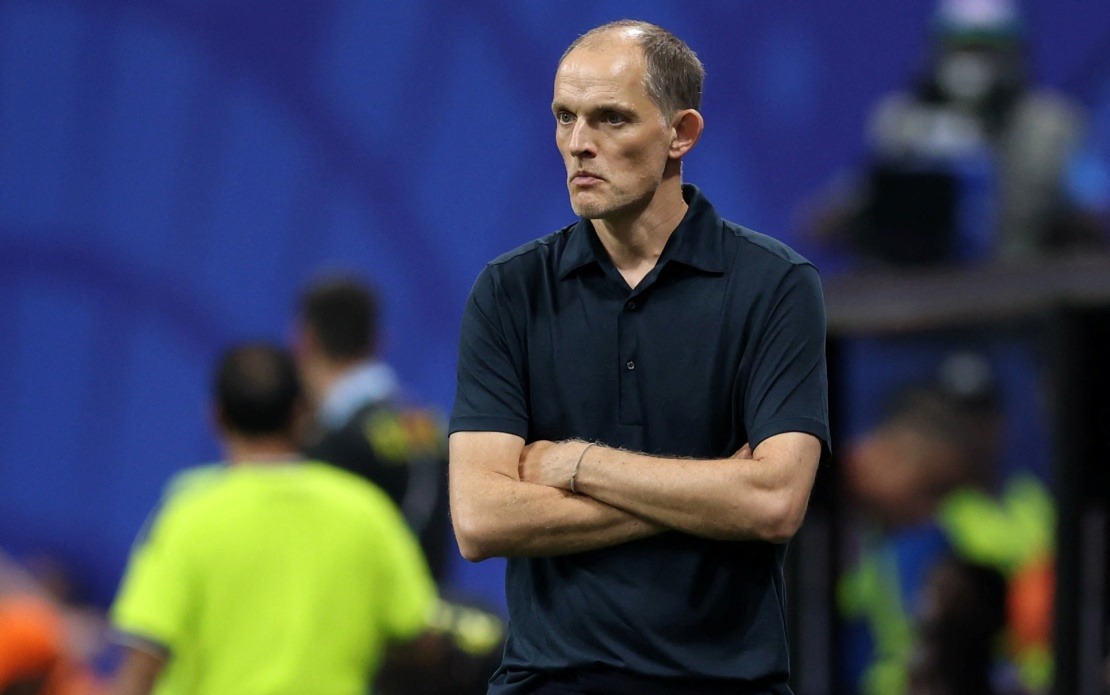
Thomas Tuchel has come under scrutiny following England's disappointing 2-1 defeat to Argentina in the World Cup semi-final in Atlanta on Wednesday, with the coach acknowledging that his team's display deteriorated significantly after taking the lead. Speaking to media after the match, the German tactician was candid about the shift in his side's performance once they had broken the deadlock, attributing the reversal of fortunes to a loss of intensity rather than a structural failure in his approach.
The pivotal moment came when Anthony Gordon gave England a 55th-minute advantage, seemingly positioning Tuchel's men favourably with just minutes to navigate. However, the defensive collapse that followed proved catastrophic. Enzo Fernandez restored parity with five minutes remaining, before Lautaro Martinez sealed Argentina's progression with a stoppage-time goal that sent the defending world champions through to the final. For Tuchel, the manner of the capitulation was particularly galling given England's relative dominance in the opening phases of the encounter.
Tuchel's post-match analysis centred on a critical psychological shift rather than a tactical miscalculation. He described his team as having grown "too passive" in the aftermath of Gordon's strike, suggesting that England failed to maintain the pressing intensity and ball recovery work that had characterised their earlier play. This passive approach left his backline exposed to repeated crosses and shooting opportunities, allowing Argentina to dominate possession and territory despite being the trailing side. The England coach emphasised that his defenders and midfielders simply could not regain possession efficiently once they had relinquished the ball.
When probed about his substitution decisions—a frequent target for post-match analysis—Tuchel defended his approach with clarity. He maintained that introducing attacking reinforcements would not have resolved the underlying issues, particularly given that England remained in their established 4-4-2 formation throughout. Rather than seeking to add personnel to press for a second goal, Tuchel prioritised stability, a choice that ultimately failed to prevent the capitulation. He argued that the transformation in the match's complexion stemmed from his team's reduced intensity and inability to compete for loose balls rather than from any structural inadequacy in his setup.
The England manager acknowledged the widespread criticism that has emerged, particularly from television pundits and online observers, many of whom questioned whether more attacking substitutions might have shifted momentum in his favour. Such second-guessing is routine in modern football, where armchair analysis and tactical commentary dominate post-match discourse. Tuchel's wry observation that "there are millions of coaches after the game who know it better" reflected the inevitable nature of such scrutiny, though it also suggested a degree of philosophical acceptance of his position rather than defensiveness about his record.
Despite the acrimony surrounding the defeat, Tuchel stopped short of expressing regret about his tactical decisions. He drew attention to England's overall performance, arguing that his team had produced one of their better showings throughout the tournament, particularly given the high-pressure circumstances of a semi-final encounter. The fact that England had deserved their 1-0 advantage and had come agonisingly close to reaching the final provided some consolation in an otherwise bitter outcome. This perspective suggests that Tuchel views the defeat as a matter of execution and mental resilience rather than strategic miscalculation.
The implications of this match extend beyond England's immediate disappointment. For Tuchel, a German coach appointed to lead England through a transitional period, the loss represents a missed opportunity to cement his legacy and deliver silverware. The tournament context—with Argentina now progressing to face the victor of the second semi-final—underscores the competitive intensity at this level of international football. For Asian and Southeast Asian observers, including Malaysian football enthusiasts, the match exemplifies how tactical discipline and psychological composure can unravel within minutes at the highest level, regardless of preparation or structural soundness.
Tuchel's candour about his team's passivity also raises questions about in-game management and the ability to respond to changing dynamics. Leading a match is fundamentally different from defending a lead, and the psychological burden of protecting an advantage often manifests in reduced aggression and increased caution. Whether Tuchel should have reacted differently by making earlier substitutions or attempting to reassert pressure remains a matter of legitimate debate, though his defence rests on the proposition that the issue was behavioural rather than tactical.
The defeat has inevitably generated discussion about England's World Cup ambitions and whether Tuchel remains the right appointment to pursue future glory. His willingness to engage with criticism while standing by his decisions suggests a coach comfortable with the scrutiny that accompanies international football management. Nevertheless, the narrowness of the margin—a two-goal swing in the final stages—will haunt his preparation as he looks ahead, with the knowledge that marginal improvements in mental fortitude and tactical awareness might have altered the trajectory of the match.
For Malaysian football fans observing the global game, Tuchel's analysis offers insights into the demands of elite-level football management, where the difference between success and failure can hinge on maintaining concentration and intensity across ninety minutes. The England coach's refusal to second-guess his approach, even in defeat, reflects a broader philosophy that coaches must back their decisions while remaining open to honest assessment. As Tuchel's tenure with England continues beyond this tournament, the lessons from Atlanta will likely inform his strategic thinking and personnel management in future competitions.

