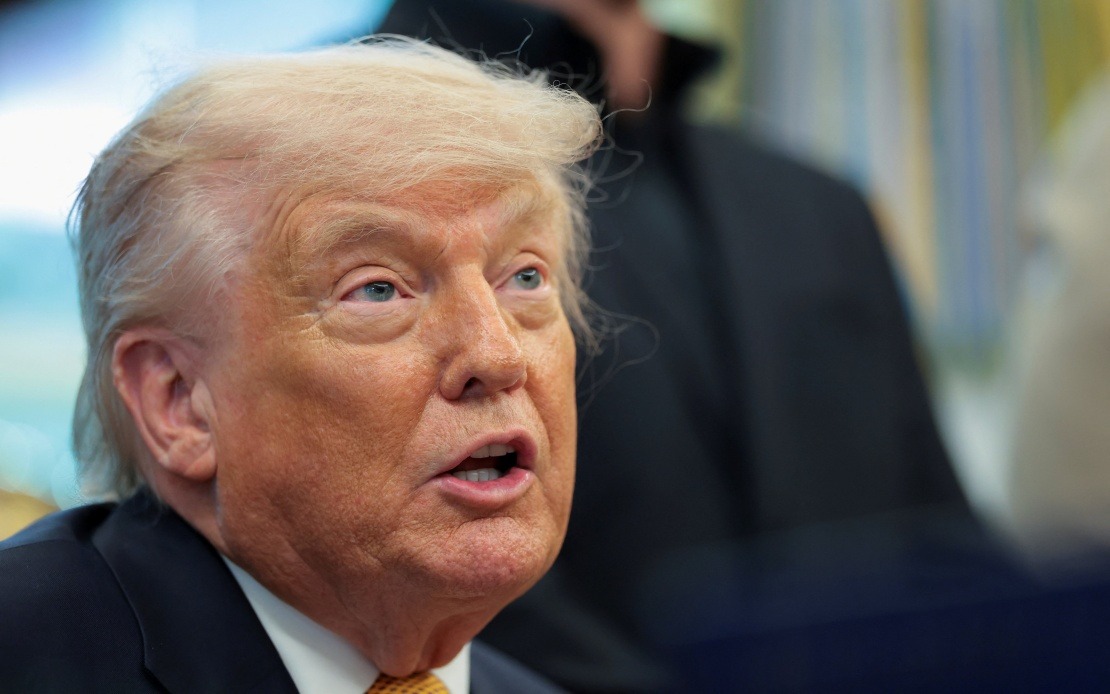
President Donald Trump indicated on Wednesday that negotiations over Iran's nuclear programme are proceeding favourably, with diplomatic delegations currently engaged in substantive talks in Doha. Speaking before departing for North Dakota, Trump characterised the discussions as productive, citing meetings conducted by his envoys Steve Witkoff and Jared Kushner who are present in Qatar's capital. The remarks represent a significant statement on the administration's approach to one of the most volatile geopolitical issues affecting the Middle East and, by extension, global energy security and regional stability in Asia-Pacific supply chains.
Trump's optimistic assessment comes against a backdrop of escalating tensions that have dominated the past several months. The situation between Washington and Tehran has moved beyond rhetorical exchanges to direct military engagement, yet the American president sought to downplay concerns about further escalation into comprehensive conflict. He noted that while Iranian forces have experienced substantial military pressure from American operations in recent days, he views the current diplomatic window as the more promising avenue. This shift in emphasis signals a recalibration of the administration's strategy, one that acknowledges the limits of military leverage and the imperative of negotiated settlement.
The discussions occurring in Doha represent a significant diplomatic track, though their formal nature remains opaque. According to reporting from Bloomberg, technical discussions are generating measurable progress toward a permanent resolution of the conflict that commenced in late February. The talks span multiple substantive areas, reflecting the complexity of resolving the underlying tensions between the two nations. Beyond the nuclear question, negotiators are addressing cessation of hostilities across multiple theatres, including ongoing complications in Lebanon, the restoration of sanctions relief frameworks, and the reopening of critical maritime passages through the Strait of Hormuz. Regional security architecture also features prominently in the discussions.
Despite Washington's optimistic characterisation, Tehran maintains an official position that direct bilateral meetings have not been scheduled. Iranian officials have emphasised that all consultations occur through intermediary channels rather than face-to-face engagement between American and Iranian representatives. This diplomatic distinction, while potentially seeming semantic, carries substantive implications for how both capitals can claim progress while preserving negotiating flexibility and domestic political space. The use of intermediaries allows both governments to engage in substantive dialogue whilst maintaining the posture that direct negotiations have not commenced.
A foundational framework underpinning these negotiations is the memorandum of understanding brokered by Pakistan and electronically signed by Iranian President Masoud Pezeshkian and Trump. This agreement entered into force and establishes the parameters for resolving the conflict that emerged in late February through structured negotiations. The document provides the skeletal framework upon which more detailed arrangements can be constructed. For Malaysian policymakers and observers tracking regional developments, the involvement of Pakistan as an intermediary broker highlights how traditional diplomatic networks remain relevant even as tensions involve global powers.
Trump's public statements contain an implicit acknowledgment of competing considerations that have dominated the administration's internal deliberations. Bloomberg reporting suggests that the president convened discussions with senior military leadership, including Defence Secretary Pete Hegseth, concerning the possibility of resumed large-scale military operations against Iran. However, Trump determined that prioritising diplomatic engagement constitutes the more promising approach at this juncture. This decision reflects an assessment that military advantages achieved thus far, including what Trump characterised as the American forces having "hit them very hard last week," have sufficiently altered the strategic calculus to make negotiation feasible.
For Southeast Asian nations and Malaysia specifically, the trajectory of US-Iran tensions carries considerable weight. The region depends substantially on secure passage through the Strait of Hormuz, through which approximately one-third of global seaborne traded oil transits. Any escalation that threatens this critical chokepoint could disrupt energy supplies affecting economies throughout the region. Malaysian manufacturing, petrochemical production, and energy-dependent industries would face elevated input costs and supply uncertainty if maritime security deteriorated. Conversely, a negotiated settlement restoring normalcy through the Strait would provide reassurance for regional commerce and investment flows.
The involvement of Qatar as a mediation venue carries particular significance. The Gulf nation has sustained a role as a diplomatic intermediary in various Middle Eastern disputes, leveraging its geographical position and strategic partnerships across the region. For Malaysia and other regional actors, Qatar's involvement suggests that Gulf Cooperation Council-aligned powers retain stakes in preventing further escalation. This dynamic could eventually facilitate broader regional arrangements that address not merely US-Iran tensions but the underlying security architecture affecting states throughout the Persian Gulf and broader Middle East.
Trump's characterisation of Iran as having "come a long way" in the diplomatic process warrants careful interpretation. The phrase suggests a view that Iranian leadership has shifted its negotiating position or demonstrated flexibility on key issues. This could encompass movement on nuclear inspection protocols, sanctions architecture, or regional military activity. Alternatively, it may simply reflect Trump's propensity for hyperbolic statements about diplomatic progress. External observers will require subsequent developments in the technical talks to assess whether substantive movement has genuinely occurred or whether both parties remain positioned at entrenched positions.
The memorandum's provisions regarding "broader regional security arrangements" carry implications extending beyond the immediate US-Iran conflict. Such arrangements could encompass frameworks addressing maritime security, defence arrangements among regional states, or mechanisms for managing future disputes. For Southeast Asian nations maintaining relationships across multiple Middle Eastern powers and depending on regional stability, the content of these arrangements carries indirect but meaningful significance. Security agreements in the Middle East can influence arms flows, military partnerships, and strategic alignments that ripple through global systems affecting Asia-Pacific dynamics.
The nuclear dimension of these negotiations remains analytically central, even as other issues occupy significant space in discussions. Iran's nuclear programme has constituted a central concern for the international community, particularly regarding proliferation implications and the alignment of Iranian capabilities with regional military dynamics. The outcome of negotiations on this technical file will substantially influence whether any agreement proves durable or susceptible to future reversion. Previous experiences with nuclear agreements between major powers and regional actors suggest that technical verification mechanisms and enforcement provisions constitute critical elements distinguishing successful arrangements from those that unravel.
The timing of Trump's public statements about progress merits consideration within domestic political contexts. The administration's ability to claim diplomatic success before the negotiations conclude could provide political benefits whilst potentially constraining subsequent negotiating flexibility. Malaysian observers tracking American domestic politics understand that Trump frequently employs optimistic rhetoric about his foreign policy achievements as a means of addressing domestic audiences. Separating genuine negotiating progress from strategic communication becomes essential for assessing whether the talks are genuinely moving toward resolution or whether both parties are positioning themselves for future escalation.
Looking forward, the critical variable will be whether technical progress in Doha translates into comprehensive agreement and sustained implementation. The involvement of multiple intermediaries, the absence of confirmed direct meetings, and the substantial distance between American and Iranian objectives on numerous issues suggest that reaching final agreement remains uncertain. However, Trump's public emphasis on prioritising diplomacy and characterising progress favourably indicates that the administration has determined this moment warrants intensive diplomatic engagement. For Malaysia and Southeast Asian states dependent on regional stability and maritime security, close monitoring of these negotiations' trajectory constitutes an essential element of foreign policy attention.

