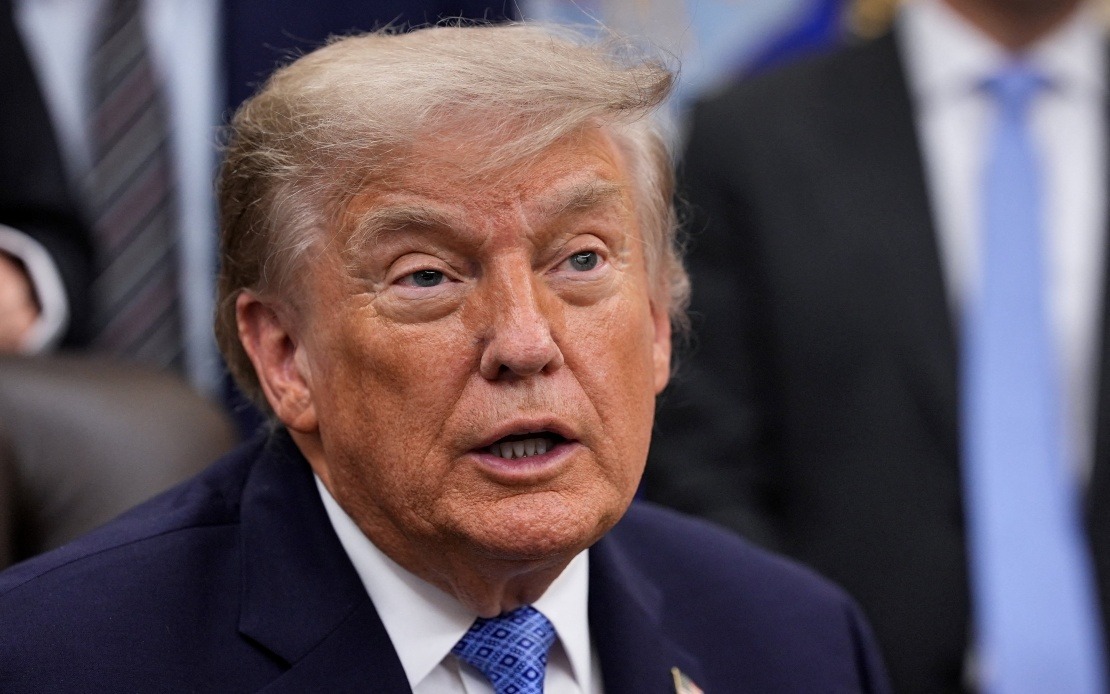
US President Donald Trump has announced a temporary halt to punitive tariffs targeting Canadian imports, offering a narrow window for the two North American neighbours to finalise a trade agreement. The decision, announced late Tuesday via his Truth Social platform, pauses a 50 per cent tariff increase that was set to take effect the following morning, buying negotiators a critical three-day extension before the measure would otherwise become effective.
The reprieve follows intensive negotiations between Trump and Canadian Prime Minister Mark Carney, who had been racing against an imminent deadline to prevent tariffs on approximately C$30 billion (US$22 billion) worth of Canadian merchandise. For Canadian manufacturers and exporters, the stakes are substantial. A sudden 50 per cent duty on goods crossing the border would create immediate supply chain disruptions and inflate costs for both American retailers and consumers reliant on Canadian raw materials, agricultural products, and manufactured components.
Trump's announcement suggests the two governments have moved closer to accord, though significant details remain subject to finalisation of formal documentation. The conditional language Trump employed—noting the agreement depends on document completion—underscores that substantive work remains. The three-day window provides a defined negotiating period, though it carries implicit pressure that failure to reach consensus would trigger the duties automatically.
Remarkably, Trump raised the possibility of reviving the Keystone XL pipeline as part of broader trade normalisation between the nations. The cross-border energy infrastructure project, designed to transport crude oil from Canadian Alberta to refineries in the American Gulf Coast, was cancelled during the Biden administration following environmental and indigenous rights concerns. Its resurrection would represent a significant policy reversal with profound implications for the North American energy sector. For Canada, pipeline expansion has long been a political priority given the country's substantial petroleum reserves and limited domestic refining capacity.
The timing of the tariff announcement reflects broader patterns in Trump's approach to trade policy. His use of tariff threats as negotiating leverage has become a consistent feature of his administration, applying pressure across multiple fronts simultaneously. The Canadian case demonstrates how such tactics force rapid decision-making among trading partners facing concrete economic consequences. For Malaysian businesses monitoring North American trade dynamics, the outcome matters considerably. Canada and the United States represent crucial markets for global supply chains, and disruption in that region reverberates through international commerce affecting Southeast Asian manufacturers and exporters.
Mark Carney's position as Canadian Prime Minister places him in a delicate political position domestically. Any trade agreement must satisfy both labour interests concerned about jobs and resource sectors eager for export opportunities. The fact that negotiations reached a critical juncture requiring direct presidential intervention indicates the complexity of reconciling competing Canadian constituencies. Managing tariff confrontations while maintaining political cohesion has proven challenging for recent Canadian administrations.
The broader context matters for regional observers. Trade tensions between major North American economies can shift global investment patterns and affect commodity prices affecting emerging markets. Should tariffs eventually take effect, the resulting disruption to North American supply chains could prompt international companies to relocate operations or diversify sourcing, with potential consequences for other trading nations competing for investment and contracts.
Canadian agricultural exporters, automotive manufacturers, and energy producers face particular vulnerability to American tariffs. These sectors employ hundreds of thousands and contribute substantially to provincial economies across Canada. A prolonged tariff regime would force difficult adjustment decisions regarding capital investment and workforce deployment. The three-day pause at minimum provides breathing room for contingency planning, though permanent uncertainty persists until a comprehensive agreement is reached.
For Malaysian policymakers and business leaders, the Canada-US tariff situation offers instructive lessons. Trade negotiations with larger economic powers require both strategic flexibility and clear redlines. The Canadian experience illustrates how quickly geopolitical and economic leverage can shift negotiations, and how informal negotiations through direct leadership contact sometimes prove more productive than formal multilateral forums. Malaysia's own trade relationships with major powers require careful calibration to balance commercial interests against political independence.
The pharmaceutical, electronics, and palm oil sectors represent Malaysian exports potentially sensitive to North American trade disruptions. Should the Canada-US negotiations fail and broader trade restrictions proliferate, Malaysian exporters could face elevated tariff barriers or indirect effects through supply chain realignment. Conversely, if Canada and the United States successfully negotiate trade normalisation, stabilised North American markets may create opportunities for Malaysian suppliers to compete more effectively globally.
Looking ahead, the three-day window represents a critical moment not merely for Canada and the United States, but for global trade stability. Market observers across Asia-Pacific will monitor negotiations closely, assessing whether major trading partners can resolve differences through negotiation rather than escalating tariff warfare. The outcome will provide signals about the trajectory of international commerce under Trump's second administration and the broader direction of protectionist sentiment in major developed economies.

