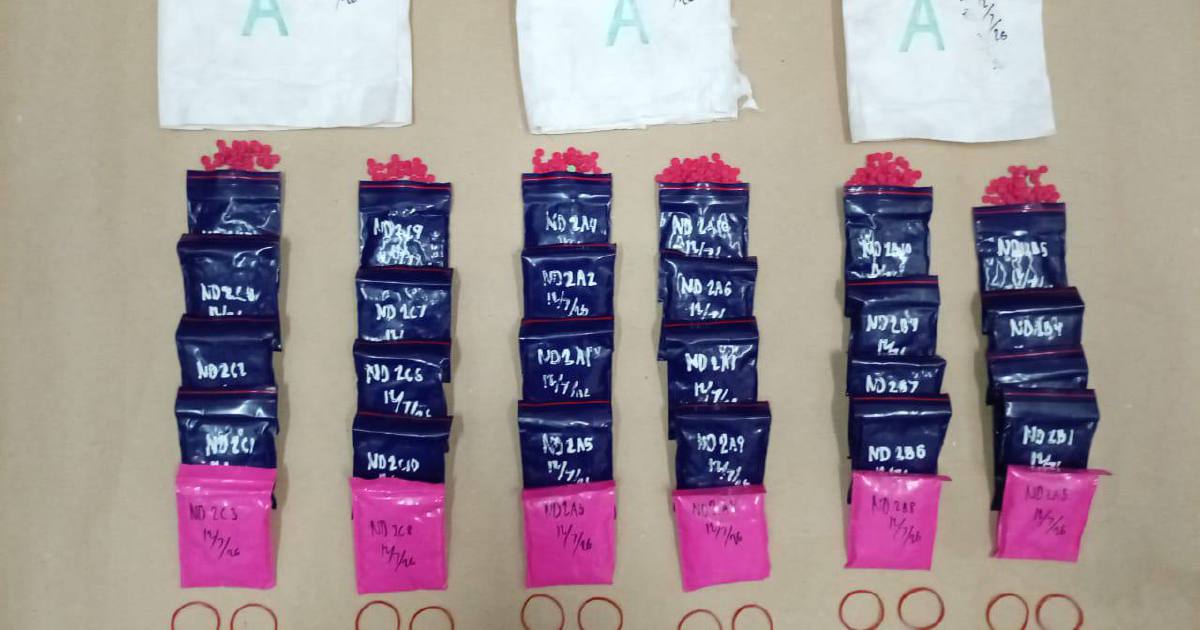
A significant drug haul in Kelantan has resulted in the arrest of a 35-year-old tow truck agent, highlighting ongoing enforcement efforts against synthetic drug trafficking in the northern region. Police recovered 6,000 yaba pills, with an estimated street value of RM60,000, from a vehicle intercepted at Jalan Kubang Batang near Wakaf Bharu in Tumpat yesterday. The seizure underscores the persistent threat posed by methamphetamine-based substances in Malaysian communities, particularly in peninsular states where cross-border smuggling remains a chronic problem.
Yaba, known colloquially as "crazy medicine," is a methamphetamine tablet often mixed with caffeine and other stimulants. The drug has become increasingly prevalent throughout Southeast Asia, driven by clandestine laboratories in Myanmar and neighbouring countries. Its affordability relative to other synthetic drugs, combined with its intense but short-lived high, has made it particularly attractive to younger users and a consistent focus for narcotics enforcement agencies across the region. The quantity seized in this operation—6,000 pills—represents a significant commercial cache rather than personal consumption, suggesting involvement in organised distribution networks.
Kelantan's geographical position along established trafficking corridors has made it a hotspot for drug enforcement operations. The state shares a porous border with Thailand and sits along smuggling routes that funnel contraband southward through peninsular Malaysia toward urban consumption markets in Kuala Lumpur, Selangor, and beyond. Tumpat, a bustling commercial area in the district of the same name, has historically featured in law enforcement reports as a transit point where drugs are received, repackaged, and distributed to retailers and street-level dealers. The arrest of this particular agent suggests authorities may have been conducting surveillance operations or acting on intelligence concerning suspicious vehicle movements.
The tow truck industry, while legitimate, has occasionally served as cover for illicit activities. Tow trucks operate across state lines and municipal boundaries with relative freedom, their movements less scrutinised than those of private vehicles or commercial transport. Operators maintain networks of contacts across the country, providing potential opportunities for concealment and transportation of contraband. This arrest may prompt regulatory and enforcement bodies to strengthen vehicle inspection protocols at checkpoints and increase scrutiny of tow truck operations involved in suspicious activities.
The RM60,000 valuation placed on this seizure reflects typical street prices for yaba in Malaysian urban markets, where individual pills typically retail for RM10 to RM15 depending on location and buyer relationships. Large quantities of this magnitude suggest intended distribution through multiple dealers and retail points rather than stockpiling by a single operator. The commercial nature of the seizure indicates connections to broader trafficking organisations, though individual arrests rarely dismantle entire supply chains unless accompanied by coordinated operations targeting higher-level suppliers and financiers.
Broader enforcement trends show Malaysian authorities increasingly interdicting yaba shipments along land borders and through postal services. The drug's tablet form makes it easier to conceal and transport compared to powdered substances, facilitating smuggling through conventional border crossings where visual inspection may miss concealed caches. Previous major seizures have exceeded 100,000 pills, indicating the enormous scale at which organised syndicates operate. This particular operation, while substantial, represents a fraction of estimated trafficking volumes moving through Malaysian territory monthly.
The arrest occurring in Tumpat reflects targeted enforcement in high-risk zones, likely coordinated between Kelantan's state narcotics police and federal agencies. Information about the suspect's background—beyond his role as a tow truck agent—has not been publicly disclosed, but investigators will examine his communications, financial records, and associations to identify upstream suppliers and downstream distribution networks. Such investigations typically culminate in charges under the Dangerous Drugs Act 1952, with penalties for trafficking substantial quantities of methamphetamine including lengthy imprisonment and potential capital punishment depending on quantity thresholds.
For Malaysian readers and authorities, this seizure exemplifies the relentless challenge posed by synthetic drug trafficking. Despite substantial law enforcement investment, yaba availability remains widespread in communities nationwide, particularly among younger demographics. Supply disruptions from major seizures prove temporary, with markets quickly replenished by competing organisations. Comprehensive responses require sustained border controls, intelligence sharing with regional partners, community education initiatives, and treatment accessibility for dependent users.
The operation also reflects evolving tactics by enforcement agencies adapting to trafficker methodologies. As maritime and express courier routes face heavier scrutiny, overland transport using ostensibly legitimate commercial vehicles has become increasingly attractive to smugglers. Tow trucks, delivery vehicles, and private cars modified with hidden compartments represent flexible alternatives to dedicated smuggling infrastructure. Countering these methods demands intelligence-led policing, community vigilance, and cooperation from transportation industry participants willing to report suspicious activities to authorities.

