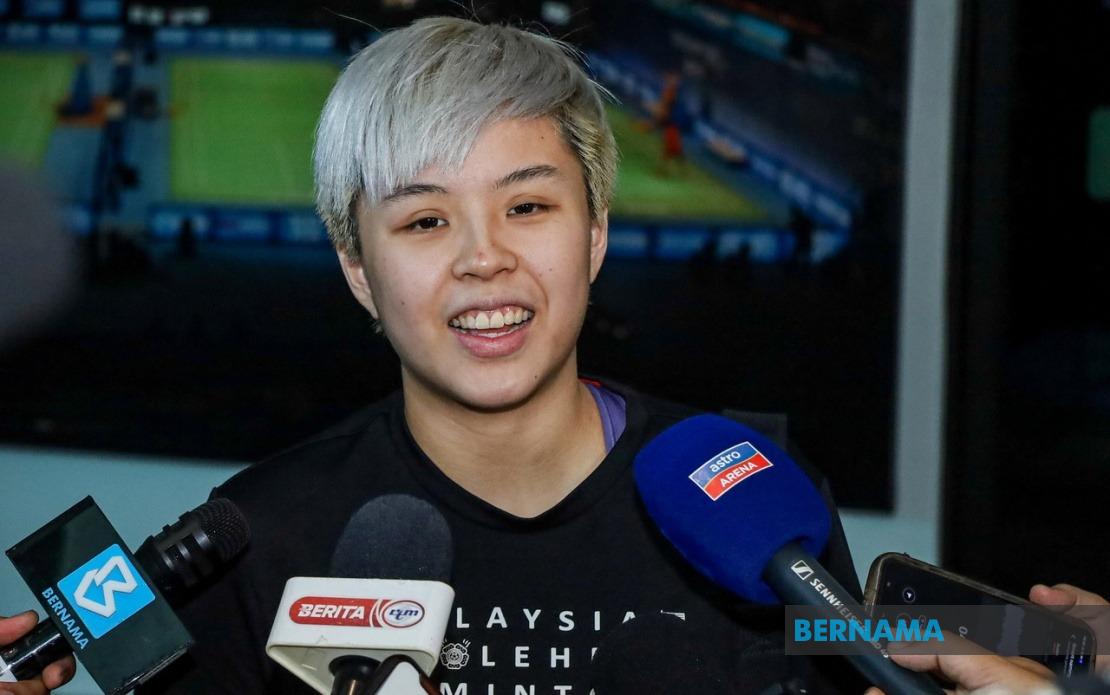
Malaysian mixed doubles shuttler Toh Ee Wei has completed surgical reconstruction of her left anterior cruciate ligament in Melbourne, marking a significant step in her comeback journey after sustaining the injury during competition last month. The Badminton Association of Malaysia confirmed the procedure concluded successfully, with the player now entering a carefully structured rehabilitation phase expected to span several months.
Ee Wei's injury occurred during the quarter-final round of the Singapore Open 2026 in May, a pivotal moment in her competitive calendar that forced an unexpected halt to her season. The decision to undergo surgery in Australia reflects Malaysia's sports medical partnerships and the availability of world-class orthopedic specialists in the region. The choice of Melbourne as a surgical destination underscores how elite Malaysian athletes increasingly access premier medical facilities beyond domestic borders when complex joint injuries demand specialized intervention.
The anterior cruciate ligament is fundamental to knee stability and athletic performance, particularly in badminton where explosive lateral movements, rapid direction changes, and sustained court coverage are essential demands. Reconstruction surgery, rather than conservative management, indicates the severity of Ee Wei's injury and BAM's commitment to restoring her to full competitive capacity. The decision signals confidence that surgical intervention offers the best pathway toward a complete return rather than prolonged conservative treatment that might compromise her career longevity.
BAM's statement emphasized its commitment to providing comprehensive medical infrastructure and rehabilitation resources throughout Ee Wei's recovery process. This institutional backing reflects the association's investment in player welfare and injury management systems, critical components of professional badminton development in Malaysia. The federation's public pledge of support carries significance beyond mere rhetoric, as adequate physiotherapy, strength conditioning, and sport science services can substantially influence recovery timelines and ultimate performance restoration.
In her own remarks, Ee Wei expressed gratitude for the outpouring of encouragement from fellow athletes, fans, and the broader badminton community. This acknowledgment highlights the interconnected nature of Malaysia's sports ecosystem, where individual setbacks generate collective support mechanisms. Her statement also conveyed determination to approach rehabilitation methodically, understanding that premature return to competition following ACL reconstruction remains a primary risk factor for re-injury and chronic instability.
The rehabilitation journey ahead will typically span six to nine months before returning to competitive badminton, though timelines vary based on individual healing responses and the demands of mixed doubles play. Ee Wei's recovery will involve progressive strength building, proprioceptive retraining, and gradual restoration of sport-specific movement patterns under professional guidance. During this extended period, her partnership dynamics with her mixed doubles competitor may require adjustment, potentially opening opportunities for alternative pairings within the national program.
Malaysia's badminton program has previously managed notable athlete recoveries from serious injuries, and BAM's institutional experience with rehabilitation protocols provides a structured framework. The federation's investment in medical personnel, including team physicians and sports scientists, reflects how contemporary badminton operates at professional standards comparable to international competitors. Ee Wei's case represents routine excellence in injury management rather than exceptional intervention, demonstrating the maturity of Malaysia's badminton infrastructure.
The timing of Ee Wei's surgery during the competitive season carries broader implications for BAM's calendar management and mixed doubles depth. Her absence from the court during the critical remainder of the season necessitates careful squad planning and potentially accelerates opportunities for emerging partnerships within the national program. This disruption, while individually challenging, may catalyze development of alternative mixed doubles combinations that strengthen the federation's competitive portfolio.
From a regional perspective, Ee Wei's injury and recovery represents a familiar pattern across Southeast Asian badminton where ACL injuries periodically interrupt career trajectories. Her medical journey and BAM's response provide instructive context for injury prevention and management protocols that other national associations monitor. The transparency with which Malaysian badminton administrators and athletes address rehabilitation demonstrates professional standards and psychological resilience valued within competitive badminton communities throughout Asia.
Ee Wei's determination to return strengthened rather than merely functional reflects the mentality required for elite badminton recovery. The phrase "returning to the court stronger" carries significance beyond motivational cliché, suggesting intentional focus on physical conditioning that may exceed pre-injury levels. This approach acknowledges that reconstruction surgery, while restoring structural integrity, creates opportunities for systematic strength development that can enhance future performance and reduce recurrent injury vulnerability.
As Ee Wei navigates the demanding months ahead, her recovery will generate broader organizational learning within BAM regarding injury prevention, rehabilitation innovation, and athlete development pathways. Each player's experience with serious injury contributes knowledge that informs future protocols and support systems. Her journey from operating theater to competitive restoration embodies both the vulnerability and resilience inherent in elite badminton, where commitment to recovery demands equal dedication to the sport that created the injury.

