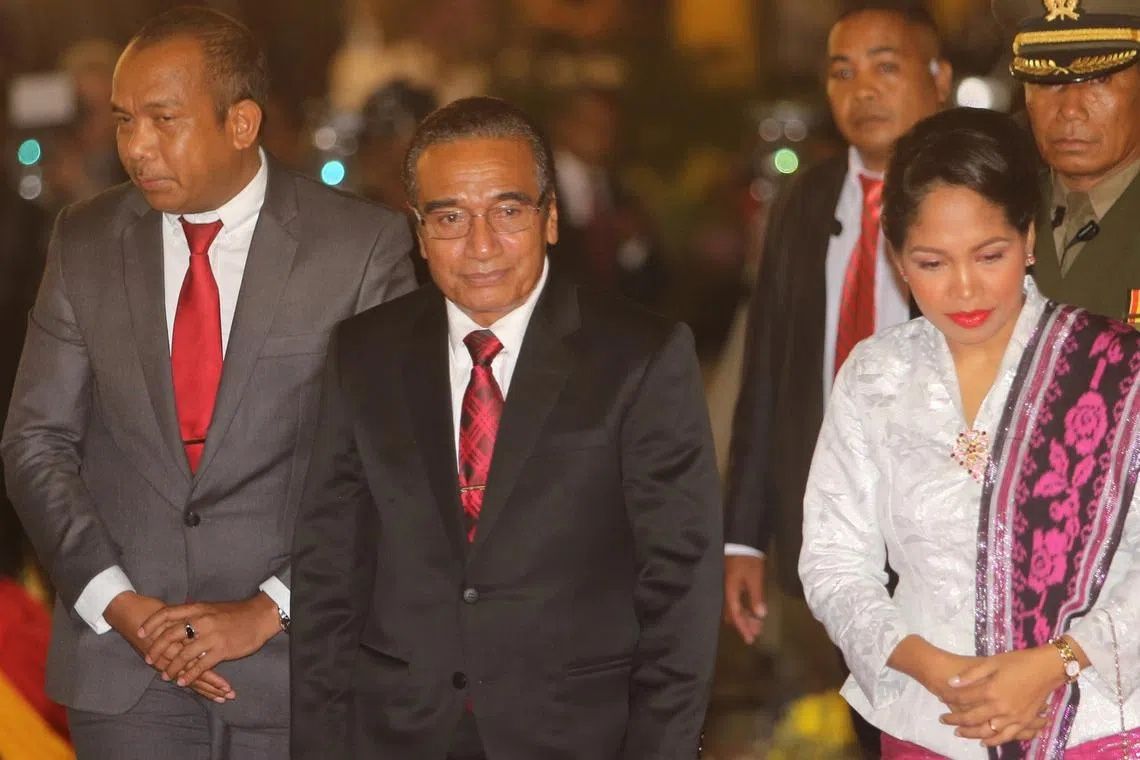
Timor-Leste has entered a period of national mourning following the death of former president Francisco "Lu-Olo" Guterres, whose body is expected to arrive in Dili this week. The 71-year-old, who served as the nation's sixth president from 2017 to 2022, passed away in a Malaysian hospital over the weekend, prompting the government to declare seven days of official mourning on June 22. His brother Domingos Guterres confirmed to reporters that funeral arrangements are currently being organised, with the former leader's remains set to return to the capital on Tuesday.
Guterres stands as one of Southeast Asia's most enduring symbols of anti-colonial resistance, having dedicated much of his life to liberating Timor-Leste from Indonesian occupation. His journey from humble beginnings to the highest office in the land encapsulates the broader narrative of his nation's struggle for self-determination. Born into modest circumstances, Guterres became politically active during the 24-year Indonesian military occupation that commenced in 1975, joining the armed resistance movement and rising through the ranks to become a key figure in the liberation struggle. His decades of sacrifice and commitment to the independence cause earned him enormous respect across Timorese society and elevated him to iconic status among the population.
The formal state mourning is reflected in practical measures ordered by the Dili government, with flags flying at half-mast across all public buildings, government offices, embassies, and consulates. This ceremonial display underscores the high regard in which the former president is held by the state apparatus, regardless of shifting political alignments. The gesture also acknowledges Guterres's historical significance beyond his presidential tenure, recognising his role as a foundational figure in the nation's post-independence consolidation.
Current President Jose Ramos-Horta, who defeated Guterres in a competitive 2022 presidential runoff election, set aside electoral rivalry to issue a statement honouring his predecessor as a "great patriot." Ramos-Horta characterised Guterres's passing as "a great loss for the nation," demonstrating the political maturity and respect for institutional memory that characterises contemporary Timorese leadership. The two men, both Nobel Peace Prize-connected figures in their own right, had represented different visions for the young nation's future, yet their public exchange underscores the shared commitment to national values that transcends partisan competition.
Guterres first ascended to the presidency in 2017 after securing more than 57 percent of the vote in a decisive election victory. His tenure as the sixth president came after two decades of involvement in post-independence politics and statecraft, building on his guerrilla credentials to lead the nation through critical years of institutional development. However, his bid for reelection five years later proved unsuccessful when Ramos-Horta prevailed in a runoff ballot, marking a peaceful transfer of power characteristic of Timorese democratic practice despite the nation's traumatic history.
The Revolutionary Front for an Independent East Timor (Fretilin), the liberation movement-turned-political party that Guterres led during earlier periods of his career, has also received formal government condolences. This acknowledgment reflects the complex relationship between Guterres's personal trajectory and the broader political movements that shaped his nation's emergence. Fretilin remains a significant force in contemporary Timorese politics, and Guterres's passing represents a symbolic end to an era in which the independence generation directly steered the nation's institutions.
Guterres's family has requested privacy during this period of grief, asking supporters and the public to respect their space while acknowledging the outpouring of affection for the departed leader. "We ask everyone to respect the family's privacy at this difficult time, as we join in prayer and pay tribute to his memory, his legacy, and his dedication to the Timorese people," a family statement conveyed. This sentiment balances the genuine mourning of a private family with the legitimate public interest in honouring a national figure whose life was inseparable from Timor-Leste's collective history.
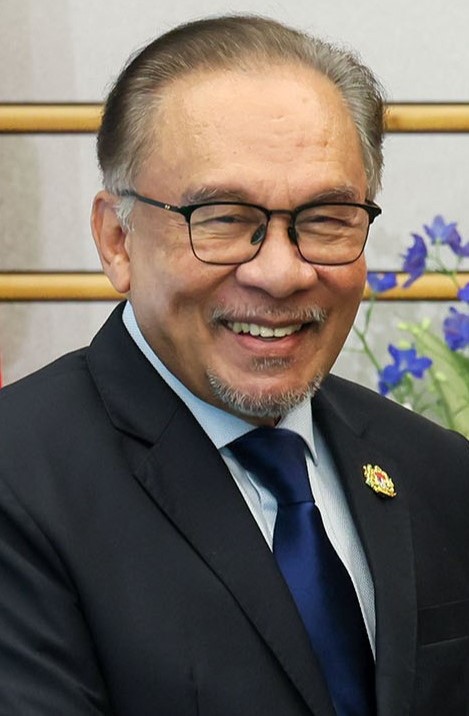
Regional leaders have extended condolences, with Malaysian Prime Minister Datuk Seri Anwar Ibrahim expressing sadness at Guterres's passing and offering sympathies to his family and the Timorese people. "Malaysia mourns his passing alongside the Timorese people. He will be remembered here with respect and affection," Anwar said, reflecting the diplomatic goodwill between neighbouring nations and the broader regional recognition of Guterres's significance. The fact that Guterres passed away in a Malaysian medical facility underscores the regional healthcare networks that serve Southeast Asian leaders and the practical interconnections that bind the region's nations together.
Guterres's death marks the closing of a remarkable chapter in Southeast Asian post-colonial history. He represented a generation of guerrilla fighters and independence activists whose struggles transformed former territories into sovereign nations. His evolution from armed resistance commander to elected president to respected elder statesman exemplifies the trajectory of many anti-colonial leaders across the region. For Malaysia and other neighbouring states, Guterres's legacy serves as a reminder of the broader regional liberation movements that, while distinct in their specific contexts, shared common anti-imperial objectives and contributed to the decolonisation of Southeast Asia.
The week of national mourning will provide Timorese citizens with an opportunity to reflect collectively on the sacrifices of their independence generation and to recognise the role that figures like Guterres played in securing national sovereignty. His passing represents not merely the death of an individual but a symbolic transition point in which Timor-Leste's post-independence era becomes increasingly shaped by leaders without personal memory of the occupation period. This generational shift carries implications for how the young nation navigates contemporary challenges and preserves the historical memory of its extraordinary struggle for independence.