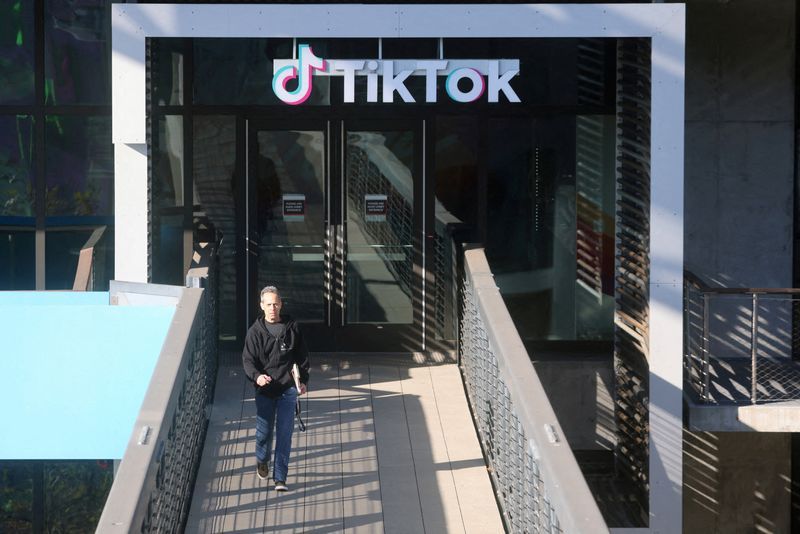
TikTok has reached a settlement agreement with a teenage plaintiff who sued the short-video platform over claims that its products damaged his mental health, according to Morgan & Morgan, the law firm representing the minor. The settlement in principle was announced on Tuesday, though the firm confirmed that final terms remain under negotiation and have not yet been fully documented. The agreement represents a significant development in an expanding wave of litigation targeting major social media companies over their role in the youth mental health crisis, a matter of growing concern across North America and increasingly in Asia-Pacific regions including Malaysia, where youth social media usage remains high.
The case centres on R.K.C., a 15-year-old from Florida who commenced his engagement with social media platforms at approximately eight years of age. Court documents outline how he progressively became dependent on these services, experiencing severe disruptions to his sleep patterns alongside deepening struggles with depression and anxiety. His experience mirrors patterns reported among younger users globally, where addictive platform design features—including algorithmic feeds, notification systems, and endless scrolling mechanics—have been linked to declining mental health outcomes in adolescents.
TikTok's decision to settle comes just weeks after YouTube, Google's video subsidiary, reached its own settlement agreement in June in the same California state court litigation. Both companies have concluded that resolving these matters outside the courtroom may be preferable to facing extended trials that could result in larger judgments and more damaging public revelations about internal knowledge regarding platform effects on young users. The legal strategy differs markedly from Instagram and Snapchat, owned by Meta and Snap respectively, which have opted to proceed to trial. Those cases are scheduled for July hearings in California state court, suggesting a more confrontational posture toward litigation.
The original complaint named four major social media corporations as defendants, effectively putting the entire ecosystem of leading youth-oriented platforms on trial simultaneously. This coordinated legal action reflects a broader recognition among plaintiff attorneys that these companies operate with similar business models and design philosophies, all centred on maximizing user engagement through psychological techniques that may prove particularly potent with developing brains. The naming of multiple defendants in a single complaint strengthens the narrative that youth mental health deterioration represents a systemic industry problem rather than isolated platform failures.
For Malaysian audiences and policymakers, this litigation trend carries particular relevance. Southeast Asian countries, including Malaysia, have witnessed explosive growth in social media adoption among young people, with usage rates among teenagers ranking among the highest globally. Malaysian children and adolescents face the same algorithmic ecosystems and engagement-maximization strategies as their American counterparts, yet regulatory frameworks governing social media remain comparatively nascent. The outcomes of these California cases will likely influence both legislative discussions and potential future litigation in Malaysia and the region.
The settlement's timing ahead of further trials suggests both sides recognized mounting evidence regarding social media's documented harms. Mental health professionals have increasingly documented connections between intensive social media use and elevated rates of anxiety, depression, sleep disruption, and body image disorders among teenagers. TikTok, in particular, has faced scrutiny over its algorithm's tendency to promote content that can trigger obsessive usage patterns, particularly among younger users whose impulse control and self-regulation capacities remain developmentally incomplete.
While the precise financial terms of TikTok's settlement remain undisclosed pending finalisation, such agreements typically include monetary compensation to the plaintiff alongside commitments regarding platform design modifications or enhanced safety features. Companies settling these cases often agree to implement age-appropriate restrictions, modify algorithmic recommendation systems to reduce excessive engagement promotion, or provide improved parental control mechanisms. Whether TikTok's specific settlement incorporates such operational changes will become clearer once formal documentation is released.
The broader legal landscape increasingly reflects recognition that social media platforms bear responsibility for understanding and mitigating documented harms to their youngest users. This shift represents a departure from the technology industry's long-standing posture that platforms function as neutral distributors of user-generated content. Courts and legislators across multiple jurisdictions have begun questioning whether the immunity protections afforded to technology platforms under provisions such as Section 230 in the United States remain appropriate given evidence of deliberate design choices that appear engineered to maximize addictive engagement.
As litigation continues against Instagram and Snapchat, the legal precedent established through settlements and trial outcomes will shape both corporate behaviour and regulatory responses globally. For Malaysia, where digital literacy among young people remains variable and parental awareness of platform risks continues developing, these cases provide valuable cautionary documentation of harms that may already be occurring domestically without equivalent legal remedies. Malaysian regulators and policymakers should monitor these trials closely, as they may inform forthcoming national discussions regarding social media governance and youth protection frameworks in the digital age.

