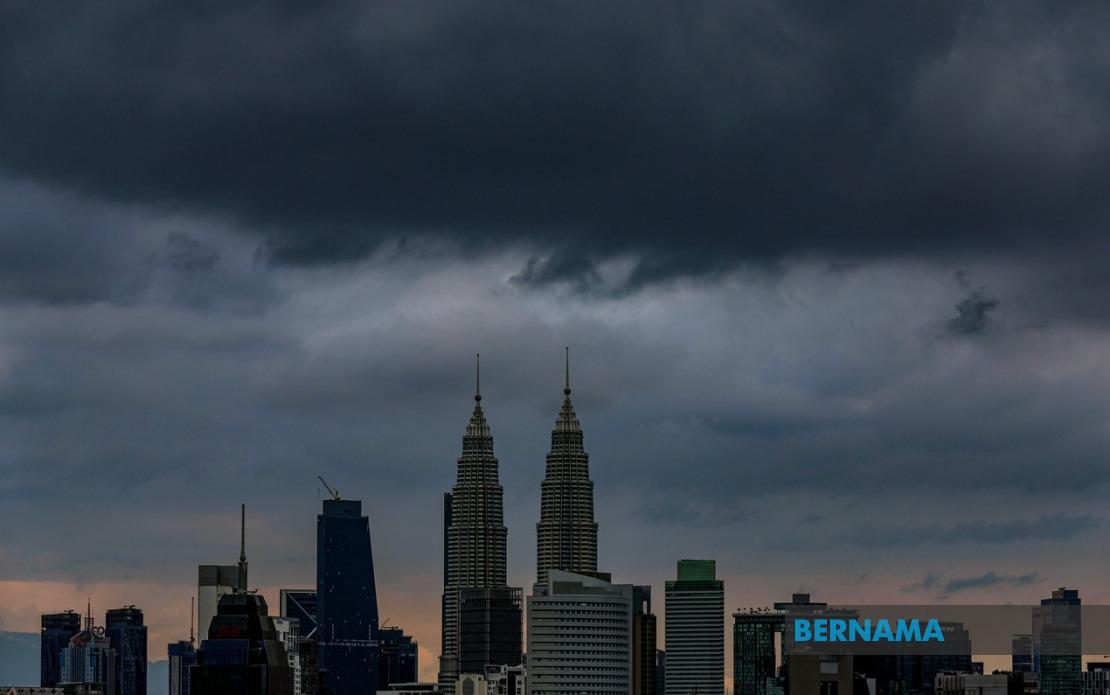
Severe weather is set to sweep across a large swathe of Malaysia throughout the afternoon and early evening, with the Malaysian Meteorological Department alerting residents and commuters to prepare for potentially disruptive conditions. The warning encompasses Kuala Lumpur and Putrajaya along with a substantial portion of the peninsula and East Malaysia, creating a broad band of vulnerability from the northern border regions down through the central zones and across into Sarawak and Sabah.
According to MetMalaysia's statement issued on June 28, the combination of thunderstorms, heavy rain and strong winds poses risks to transport networks, outdoor activities and infrastructure across the affected zones. The alert remains in effect until 7 pm, suggesting the system is expected to dissipate or move away by early evening, though residents should remain cautious during the peak intensity period in the late afternoon.
In the northern region, Perlis faces the brunt of the incoming weather system alongside Penang and Kedah. Within Kedah, the districts most vulnerable include Langkawi, Kubang Pasu, Padang Terap, Kuala Muda and Kulim, regions that experience seasonal monsoon patterns making them susceptible to rapid weather deterioration. Perak similarly sees multiple divisions affected, encompassing Hulu Perak, Kuala Kangsar, Manjung, Kinta, Perak Tengah, Kampar and Bagan Datuk—a geographic spread indicating the system covers both inland and coastal territories.
The warning extends into the east coast states with significant impact zones across Kelantan and Terengganu. Gua Musang in Kelantan and the coastal and inland districts of Terengganu—including Besut, Setiu, Kuala Nerus, Hulu Terengganu and Dungun—face heightened risks. These regions, many lying along major transportation corridors, could experience disruptions to traffic flow and accessibility during the evening commute period.
Pahang's mountainous and elevated areas emerge as particularly concerning zones, with Cameron Highlands, Raub, Bentong and Rompin all listed in the warning. These highland regions are naturally vulnerable to rapid rainfall accumulation and flash flooding in valleys and lowland areas nearby. Selangor, encompassing the greater Klang Valley and surrounding districts, faces threats across Hulu Selangor, Gombak, Petaling, Kuala Langat, Hulu Langat and Sepang. Given Selangor's dense population and critical transport infrastructure, the weather system poses risks to one of Malaysia's most economically vital regions.
The warning stretches across to Sarawak, affecting multiple divisions and demonstrating the expansive nature of the weather pattern. Kuching Division experiences impacts in Bau and Kuching itself, with additional affected areas in Serian and Samarahan. Sri Aman, Betong and Sarikei face similar conditions, while Sibu Division reports concerns in Selangau and Mukah. The Kapit Division warns residents in Song and Kapit, while Bintulu Division alerts Tatau and Miri Division encompasses Subis and Miri. This widespread coverage across Sarawak suggests a system of significant scale and intensity.
Sabah likewise experiences the weather system's reach, with interior regions particularly affected. Keningau and Tambunan in the Interior Division, Ranau in the West Coast Division, and the extensive Sandakan Division territories of Telupid, Kinabatangan, Beluran and Sandakan all fall under the warning. The geographic dispersal indicates the system is not confined to coastal areas but penetrates deep inland across both Malaysian Borneo states.
Thunderstorms of this magnitude warrant serious preparatory measures from households, businesses and transport operators. Heavy rainfall can lead to localized flooding, particularly in areas with poor drainage infrastructure or near river systems. Strong winds pose dangers to unsecured structures, power lines and vehicles. Outdoor workers, construction sites and activities should implement safety protocols, while drivers should exercise heightened caution given reduced visibility and slippery road conditions during the warning period.
For commuters timing their journeys during late afternoon and early evening, the advisory serves as a reminder to allow extra travel time and to avoid unnecessary exposure to hazardous conditions. Authorities managing critical infrastructure, including utilities providers and transportation operators, typically activate contingency protocols when meteorological warnings are issued, potentially affecting service delivery and accessibility across the warned regions.
The geographic extent of this warning—spanning from Perlis to Miri and from Penang to Sandakan—underscores the significance of the atmospheric system generating these conditions. Such broad-based warnings are typically issued when a powerful weather phenomenon, possibly related to monsoon transitions or tropical disturbances, moves across the region. Residents in all affected areas should monitor MetMalaysia's updates closely, as conditions may intensify or persist beyond the initially forecast 7 pm deadline should the system move more slowly than anticipated or stall over particular regions.

