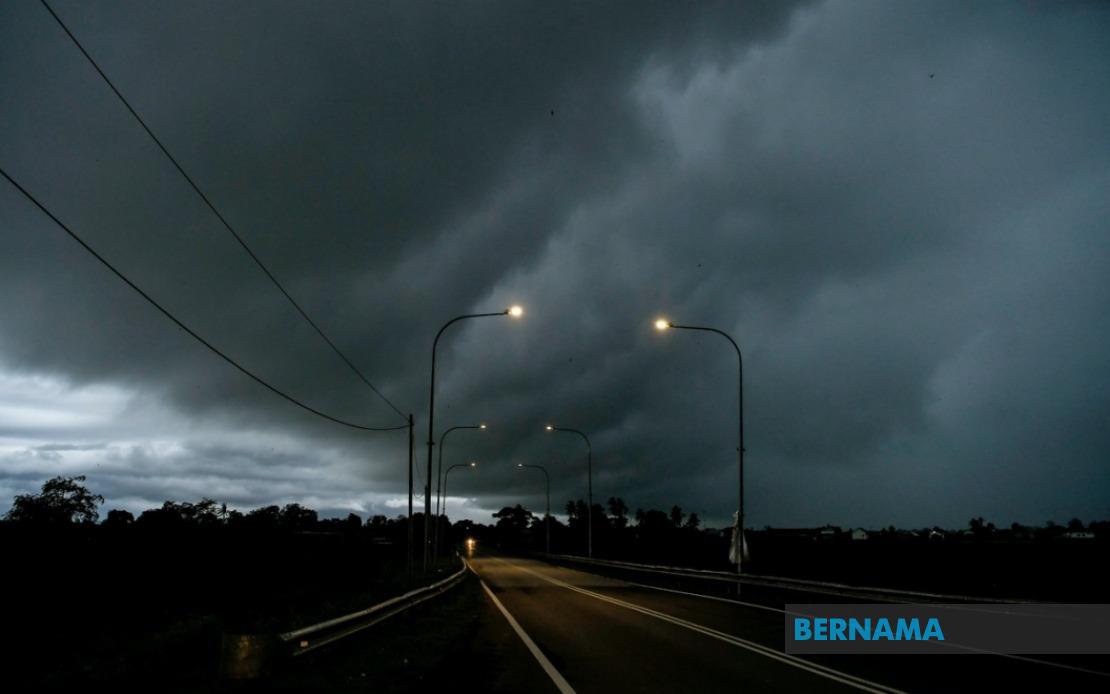
Malaysia's Meteorological Department has alerted the public to brace for dangerous weather conditions sweeping across multiple states, with thunderstorms, intense rainfall and strong winds expected to persist until noon. The advisory underscores the unpredictable nature of monsoon season weather patterns that regularly affect the peninsula, requiring residents to stay informed and prepared during volatile atmospheric periods.
The weather system is expected to impact numerous municipalities across the northern, central and southern regions. In Kedah, communities in Kota Setar, Pokok Sena, Yan and Pendang face the greatest risk, whilst nearby Perak is similarly threatened in the districts of Manjung, Bagan Datuk and Hilir Perak. The warning extends southward across Negeri Sembilan, where residents in Rembau and Tampin should exercise heightened caution during the forecast window.
The southern corridor faces comparable hazards, with the entire state of Melaka included in the alert zone. Johor residents across a broad swath of the peninsula's east coast and interior areas are advised to prepare, with Tangkak, Muar, Batu Pahat, Pontian, Kulai and Johor Bahru all falling within the warning boundary. This geographic spread suggests the weather system possesses significant spatial extent and intensity.
Thunderstorms of this nature pose multiple risks to residents and infrastructure alike. Beyond the immediate threat of lightning strikes, torrential downpours can overwhelm drainage systems within minutes, leading to flash flooding in low-lying areas and waterlogged road networks. Drivers navigating affected regions should anticipate hazardous conditions, including reduced visibility and slippery road surfaces. Pedestrians and outdoor workers face elevated dangers from lightning exposure, making shelter-seeking a paramount priority.
The meteorological authority's emphasis on vigilance reflects the serious consequences of severe weather events in populated areas. Malaysia's tropical climate creates conditions where thunderstorms can develop rapidly and intensify dramatically, particularly during transitional monsoon periods. Communities with prior flood experience in these regions understand the potential for property damage and disruption to daily activities when heavy rainfall occurs.
MetMalaysia's guidance to consult official channels represents a critical public health communication measure. Real-time weather updates, rather than outdated forecasts or social media rumours, provide the most reliable basis for decision-making during emergencies. The department's various platforms—including its website, mobile applications and alert systems—enable residents to track storm progression and adjust their plans accordingly.
The advisory carries particular importance for sectors dependent on weather stability. Outdoor construction projects, agricultural operations and transportation networks may experience disruptions or require temporary suspension of activities. Businesses and workers should review contingency plans and ensure critical operations can function despite potential weather-related obstacles.
Residents in affected areas would benefit from undertaking practical preparedness measures. Ensuring drainage systems around homes remain clear, securing loose outdoor items that wind could dislodge, and reviewing safe shelter locations represents prudent preparation. Families should maintain emergency supplies and communication devices in working order, given that severe weather can occasionally interrupt utility services.
For those in high-risk localities with histories of flooding or landslides, enhanced vigilance proves essential. Local authorities often issue supplementary warnings based on real-time conditions in their jurisdictions, and residents should monitor these communications in parallel with the national forecast. Evacuation procedures, if previously established by municipal governments, should be reviewed and understood by all household members.
This weather warning exemplifies the ongoing challenges Malaysian communities face in adapting to climate variability. Increasingly, tropical regions experience more intense precipitation events compressed into shorter timeframes, testing the resilience of existing infrastructure and emergency response systems. Investment in early warning systems, drainage improvements and public education remains vital for minimising harm from inevitable severe weather occurrences.
The timing of this advisory—with conditions expected to clear by midday—suggests a relatively brief but intense weather window. Residents should treat the warning seriously despite its limited duration, as damage and danger can escalate rapidly during such events. Once conditions improve, post-storm assessments may reveal damage requiring local authority attention or insurance claims from property owners.

