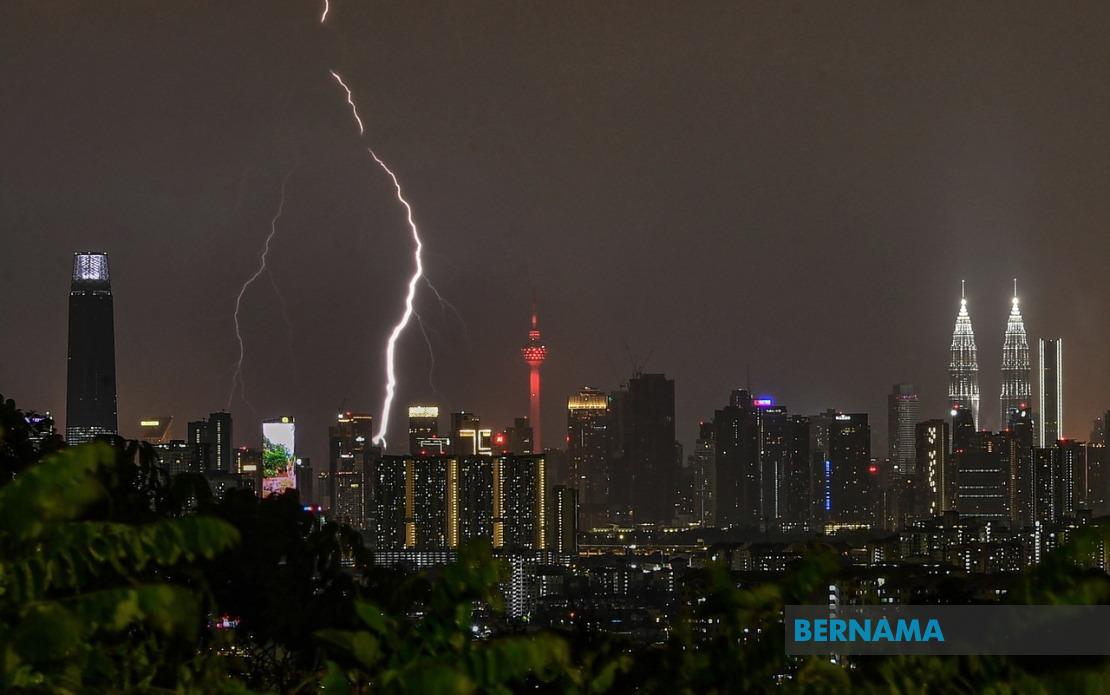
The Malaysian Meteorological Department has activated a weather alert across a significant swath of the country's most densely populated regions, warning residents and commuters to prepare for potentially disruptive thunderstorms with accompanying heavy rain and strong winds. The alert, issued at 2 pm on Thursday, remains in effect until 5 pm and encompasses Kuala Lumpur alongside eight states, affecting millions across the peninsula's most developed corridor.
The complete state of Penang faces the warning, making it particularly significant for one of Malaysia's major economic zones and tourism destinations. The entirety of Melaka has also been placed under alert, exposing the southern state's traffic-prone highways and urban centres to sudden weather deterioration. Both states serve as crucial transportation hubs and commercial centres, meaning disruptions could ripple through regional supply chains and commuter networks.
In Kedah, five districts shoulder the brunt of the forecast, namely Kuala Muda, Sik, Baling, Kulim and Bandar Baharu. These areas span the state's agricultural heartland and industrial zones, where sudden downpours can hamper operations and create hazardous road conditions across major trunk routes connecting the northern region to central Malaysia.
Perak's warning encompasses a geographically extensive stretch covering Kerian, Larut, Matang and Selama, Hulu Perak, Kuala Kangsar, Kinta, Kampar, Batang Padang and Muallim. This represents a substantial portion of the state's populated districts, reflecting meteorological concerns about a weather system affecting the entire northern and central sections of Perak simultaneously.
Pahang's affected zones include Cameron Highlands, the state's popular hill station destination, alongside Lipis, Raub, Bentong, Pekan and Rompin. Cameron Highlands' inclusion merits particular attention given its elevation and popularity among both tourists and agricultural operations, where sudden severe weather can create dangerous visibility and landslide hazards on mountain roads.
Selangor, the nation's wealthiest state and home to Kuala Lumpur's sprawling metropolitan region, faces widespread alert coverage across Sabak Bernam, Kuala Selangor, Hulu Selangor, Klang, Gombak, Petaling and Hulu Langat. This constellation of districts includes critical economic zones, major transport corridors linking the Klang Valley to surrounding regions, and densely populated urban settlements where rapid weather deterioration can trigger traffic chaos and urban flooding.
Negeri Sembilan's Jelebu district sits under warning, while Johor faces alerts affecting Tangkak, Segamat, Muar, Batu Pahat, Kluang and Mersing. These southern districts represent important commercial and logistics nodes, with several lying along major north-south highway routes where visibility reduction and slick road surfaces pose safety concerns for heavy vehicle traffic.
The meteorological department's emphasis on continuous monitoring reflects the inherent unpredictability of tropical thunderstorm systems, which can intensify or shift position with minimal warning. Residents across the affected areas should exercise heightened caution regarding flooding in low-lying zones, as the warning's reference to heavy rainfall carries particular weight given Malaysia's vulnerability to flash flooding during intense precipitation events. Motorists should anticipate reduced visibility and dangerous driving conditions, whilst those in areas prone to landslides should remain especially alert.
For businesses and government services operating across these regions, the four-hour warning window provides limited time to implement contingency measures. Commercial operations dependent on transport logistics, construction activities, and outdoor work should consider temporary suspensions during the period of greatest risk. Public agencies managing traffic control on major highways through affected zones must prepare for potential congestion and incident response requirements.
The warning's geographic scope underscores how weather patterns affecting Malaysia's western corridor can simultaneously impact multiple states and federal territories, reminding policymakers of the interconnected nature of regional climate impacts. For the broader Southeast Asian context, such alerts highlight the monsoon season's ongoing influence and the importance of robust early warning systems in protecting densely populated urban and industrial zones from weather-related disruptions.
Commuters and residents are urged to maintain awareness of MetMalaysia's official updates, as conditions may shift before the 5 pm expiration time. Checking real-time weather information before commencing journeys and avoiding unnecessary outdoor activities during peak thunderstorm hours represents prudent precaution in the face of this forecast.

