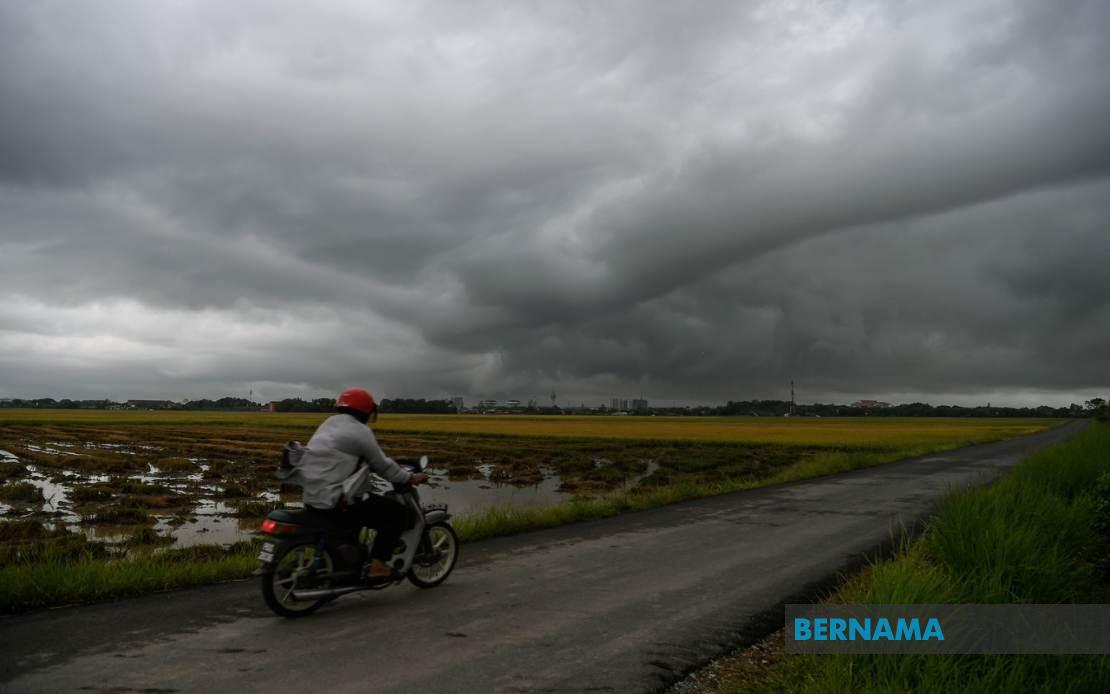
Malaysia's Meteorological Department has activated a severe weather advisory covering eight states as tropical conditions bring thunderstorms and substantial rainfall to large portions of the peninsula and East Malaysia. The alert, valid until 6 pm on July 4, encompasses vulnerable districts in Kedah, Perak, Terengganu, Pahang, Selangor, Negeri Sembilan, Sarawak, and Sabah, with authorities warning of dangerous gusts accompanying the precipitation.
In the northern region, Kedah residents in Kota Setar, Yan, Pendang, Kuala Muda, and Sik should exercise caution as the weather system approaches. The Perak districts of Manjung and Perak Tengah face similar hazards, while Kemaman in Terengganu rounds out the northern and east-coast exposure. These areas, particularly those in low-lying zones or near drainage systems, may experience flash flooding if rainfall intensity peaks during the afternoon hours.
Central regions already bracing for impact include Kuantan in Pahang and Hulu Langat in Selangor, both historically susceptible to rapid water accumulation during heavy downpours. Negeri Sembilan's Jelebu and Seremban districts complete the peninsula's affected zones. Residents in these districts are advised to remain indoors during peak storm activity and to monitor local water levels, as the combination of heavy rain and strong winds poses risks to infrastructure and safety.
East Malaysian territories face equally challenging conditions. Sarawak's coastal and riverine areas of Sarikei (Sibu) and Mukah (Tanjung Manis and Daro) require heightened vigilance, as these communities depend on river transport and are vulnerable to surge conditions. The state's geographical positioning means such systems can intensify rapidly over warm waters before making landfall, potentially exceeding initial intensity forecasts.
Sabah's interior and coastal regions are among the most exposed. The Interior Division districts of Keningau and Tambunan, situated in elevated terrain, may experience localized flooding in valleys and along stream beds despite their altitude. The West Coast Division, encompassing Papar and Penampang, represents particularly high-risk areas given their proximity to the coast and existing vulnerability to weather systems crossing the Sulu Sea. Sandakan's Kinabatangan district, a significant population center, must prepare for potential disruptions to transportation and utilities.
The meteorological warning mechanism reflects broader atmospheric patterns typical of monsoon transitions and inter-monsoon periods in Southeast Asia. When warm, moist air masses collide with localized topographic features or converge along frontal boundaries, the result can be exceptionally heavy precipitation concentrated within narrow geographic bands. MetMalaysia's decision to issue district-level specificity rather than blanket state warnings indicates confidence in the predicted storm track and intensity distribution, suggesting forecasters have identified particular localities where conditions will be most severe.
For Malaysian residents, such alerts carry practical implications. Schools and workplaces may face disruptions, while travelers should anticipate delays across road networks, particularly in hilly terrain where visibility diminishes and drainage becomes compromised. Utility providers typically activate emergency response protocols during such events, pre-positioning crews to address downed lines or damaged infrastructure. Insurance claims related to weather events often spike following widespread thunderstorm activity, particularly where strong winds cause structural damage or hail causes vehicle and property harm.
The regional dimension cannot be overlooked. Southeast Asia's densely populated areas, combined with rapid urbanization and aging drainage infrastructure in many cities, render entire populations vulnerable to what might be routine weather phenomena in developed nations with superior storm management systems. Malaysia, despite relatively advanced meteorological capabilities and infrastructure investment, still experiences significant disruption from such events, particularly in rural or developing districts where drainage systems remain inadequate.
Business continuity for Malaysian companies depends partly on weather resilience planning. Manufacturing facilities, particularly those dependent on just-in-time logistics or power continuity, must account for likely disruptions during monsoon and inter-monsoon periods. The financial services sector monitors weather warnings closely, as flooding or transportation paralysis can impact market access and operational capacity.
Beyond immediate safety concerns, this alert underscores the importance of climate adaptation and infrastructure hardening across Southeast Asia. Rising temperatures and changing precipitation patterns may intensify such events' frequency and severity, demanding investments in flood management systems, early warning capabilities, and public education about weather-related risks. Malaysia's investment in MetMalaysia's forecasting capacity—evident in the precision of district-level warnings—represents a model approach, though wider regional coordination could enhance predictability for transnational systems affecting multiple nations simultaneously.
Residents in all affected districts are urged to heed MetMalaysia's warnings, avoid unnecessary travel, secure loose outdoor objects, ensure adequate water and supplies, and remain alert to emergency broadcasts. The six-hour window provided by this alert offers sufficient time for precautionary measures, though historical data suggests many residents still underestimate thunderstorm dangers until conditions materialize.

