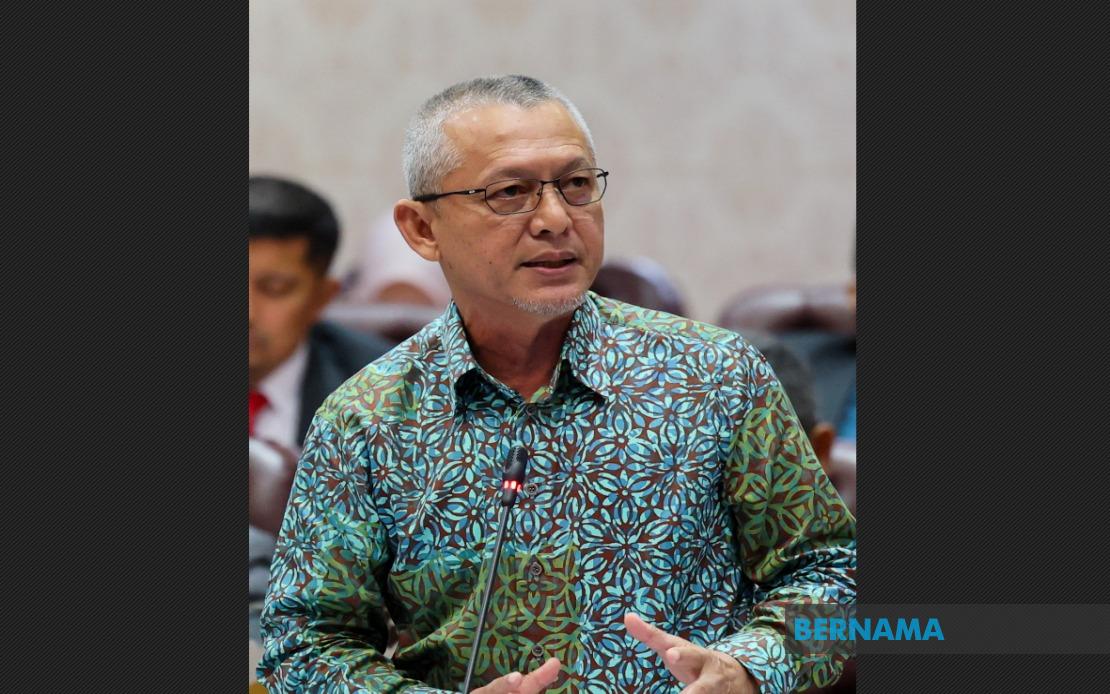
Three senior figures within Terengganu's Parti Pribumi Bersatu Malaysia chapter have announced their departures from party leadership roles, marking a notable shake-up in the state's political landscape. Datuk Razali Idris, who leads the state party, submitted his resignation letter to party president Tan Sri Muhyiddin Yassin on July 16, stepping down as state chief alongside other leadership positions. Two other prominent party members—Telemong state assemblyman Mohd Zawawi Ismail and Hulu Besut assemblyman Mohd Husaimi Hussin—have similarly resigned from their respective roles as state information chief and state treasurer.
The developments underscore deepening fractures within Bersatu's Terengganu operations, a state where the party has faced considerable challenges in maintaining cohesion. Razali's position carries particular significance, as he simultaneously holds a seat on the Terengganu State Executive Council, making his departure from party leadership particularly consequential for the organization's influence in state government. The timing of these resignations, coming after Muhyiddin's continued stewardship of Bersatu through various political configurations, suggests discontent brewing at the grassroots level of the party's state machinery.
Razali indicated that central party leadership has yet to formally acknowledge or decide on his resignation request, nearly three weeks after submission. This delay in response reflects potential uncertainty or reluctance at the national level to process the departure swiftly, raising questions about how Bersatu intends to manage the loss of its state chief. He further signalled plans to resign from his position as Marang divisional chief by mid-August, though he cited the need to complete outstanding administrative responsibilities before formally relinquishing that post. The staggered approach to his resignation suggests a measured exit designed to minimize disruption to ongoing party operations.
Mohd Zawawi and Mohd Husaimi, when approached for comment, confirmed their resignation intentions and indicated they would formally submit official resignation letters to Bersatu's central leadership. Their departures from specific state-level positions follow a pattern of senior figures distancing themselves from active party management at the state level. Both assemblymen represent constituencies where Bersatu's electoral fortunes have come under pressure in recent years, and their steps away from party administration may reflect frustration with the organization's strategic direction.
Crucially, all three figures emphasized that their resignations apply exclusively to party leadership positions rather than their membership in Bersatu itself. This distinction carries important implications for Terengganu politics, as it means these individuals retain their association with the party organization while relinquishing decision-making authority. For Razali in particular, his continued status as a state executive council member independent of his party position creates an unusual arrangement where he maintains government responsibility while stepping back from partisan leadership roles.
The exodus of senior figures from Terengganu Bersatu reflects broader challenges confronting the party across Malaysia. Bersatu has struggled to maintain internal stability since its formation, experiencing multiple cycles of leadership disputes and internal reorganization. In Terengganu specifically, the party has faced competition from both Umno and Pas for influence and electoral support, constraining its ability to establish itself as a dominant political force. The departure of three key leaders simultaneously suggests that these individuals may have concluded that continued investment in party positions yields diminishing returns.
For Malaysian observers tracking Bersatu's trajectory, these resignations signal that the party's struggles extend beyond national-level political maneuvering to affect its organizational capacity at the state level. When senior administrators like a state chief resign without immediate replacement or transition planning, it typically indicates inadequate depth of leadership bench strength. The gap between Razali's July resignation submission and the absence of any reported acceptance or counter-proposal from Muhyiddin's office suggests organizational lethargy or deliberate stonewalling that may undermine party coherence.
The implications for Terengganu's political equilibrium warrant close attention. Bersatu holds several state assembly seats and government positions, and instability within its leadership ranks could affect the functioning of state government bodies where party members serve. Should Razali fully withdraw from both party leadership and government posts, his departure would create a significant vacancy in the executive council. Additionally, the simultaneous loss of information and treasury functions at the state level hampers Bersatu's ability to coordinate messaging and manage its financial affairs effectively.
These departures also invite speculation about what triggered the leadership exodus. While none of the three individuals publicly cited specific grievances or policy disagreements, the synchronized timing suggests either a coordinated effort to register disapproval of central party direction or individual calculations that personal political interests lay outside Bersatu's framework. Given Terengganu's complex political dynamics, with multiple parties competing for influence and several prominent political figures shifting allegiances periodically, such defections from party administration may represent hedging bets in an uncertain political environment.
For now, Bersatu's central leadership faces a decision about whether to formally accept these resignations and initiate succession planning, or to drag the process out further. The party's handling of this situation will communicate much about its capacity for institutional renewal and its willingness to address internal dissatisfaction constructively. Meanwhile, Terengganu's political landscape continues to evolve as key players recalibrate their positions within competing party structures.

