A tragic electrocution incident in Sabah has claimed the lives of three Royal Malaysia Police personnel, with their remains now being returned to their families across different states. The three officers—Corporal Mohamad Nur Hafiz Ibrahim from Kelantan, Corporal Chiu Teck Siong from Sarawak, and Constable Muhammad Raimi Ismarubee from Terengganu—died outside Weston Police Station in Beaufort yesterday evening at approximately 5.50 pm. The incident marks another fatality involving workplace hazards in the country's law enforcement sector, raising fresh concerns about occupational safety measures at police facilities nationwide.
The bodies of the three officers underwent formal post-mortem examinations conducted at Queen Elizabeth Hospital's Forensics Department starting at noon. The medical examination was completed by mid-afternoon, and all three bodies were released for repatriation at approximately 2.56 pm. This procedural step is standard practice in Malaysian investigations involving unexplained deaths, allowing pathologists to determine the exact cause of death and document findings for official records and the officers' families.
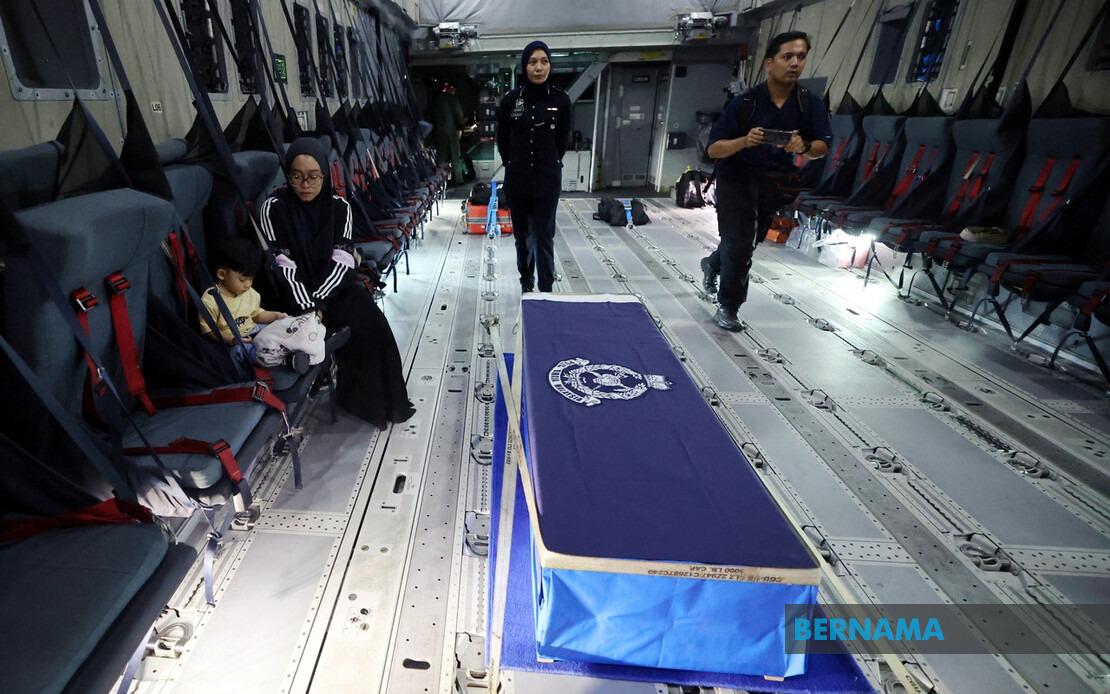
Mohamad Nur Hafiz Ibrahim, aged 29, and Constable Muhammad Raimi Ismarubee, aged 26, were both transported via Royal Malaysian Air Force aircraft from Kota Kinabalu International Airport. The RMAF flight departed at 7.10 pm carrying both officers' remains, with the initial destination being the RMAF Air Base in Kuantan. From there, the aircraft was scheduled to continue onward to the RMAF Air Base in Gong Kedak, located in Terengganu state, where the officers' families would receive their loved ones.
The repatriation process for Corporal Chiu Teck Siong, who was 40 years old, followed a different route due to geographical considerations. His remains were first transported to the Royal Malaysia Police Air Operations Force base located in Kota Kinabalu. From there, a dedicated police aircraft was arranged to transport him across the South China Sea to Sarawak, his home state, allowing his family to conduct appropriate funeral and burial rites according to their customs and preferences.
The coordination between the Royal Malaysian Air Force and the Royal Malaysia Police Air Operations Force demonstrated the inter-agency cooperation required for such sensitive operations. Both organizations made aircraft available to ensure the swift and dignified transportation of the fallen officers. The use of military and police aircraft, rather than commercial flights, is typically reserved for such tragic circumstances, reflecting the respect accorded to members of the uniformed services who die in the line of duty.
This incident highlights ongoing workplace safety challenges within Malaysia's police infrastructure. Electrocution hazards at police stations and other government facilities remain a persistent concern, particularly in older buildings or facilities with aging electrical systems. The circumstances surrounding the electrocution at Weston Police Station warrant thorough investigation to determine whether equipment failures, maintenance oversights, or other factors contributed to the tragedy.
For the families of the three officers, the loss represents not only personal tragedy but also the realization of risks inherent in police work. While law enforcement personnel are trained to handle dangerous situations involving criminals or public disturbances, occupational hazards such as electrical hazards often receive less attention in safety protocols and training regimens. The incident raises questions about whether comprehensive electrical safety audits are regularly conducted at police facilities throughout Malaysia.
The spread of the three officers' hometowns across Kelantan, Terengganu, and Sarawak means their deaths will be felt across multiple communities and police divisions. Each state's police force will likely conduct memorial services, and their contributions to law enforcement will be remembered within their respective jurisdictions. Such incidents often prompt reflection within the police service about how better to protect its personnel from preventable accidents.
This tragedy arrives amid broader discussions about workplace safety standards in Malaysian public institutions. While the focus often centers on industrial and manufacturing sectors, government facilities and essential services like police stations also require rigorous safety oversight. The incident may prompt facility managers across the country to conduct urgent electrical safety reviews and implement enhanced maintenance protocols to prevent similar tragedies.
The repatriation of the three officers has been completed with appropriate ceremonial respect befitting their service. Their sacrifice, though occurring in circumstances far removed from active police operations, underscores the multifaceted dangers that uniformed personnel face throughout their careers. The investigation into the incident's cause will be crucial in determining what measures should be implemented to prevent future occurrences and protect other members of the police force from similar electrical hazards.

