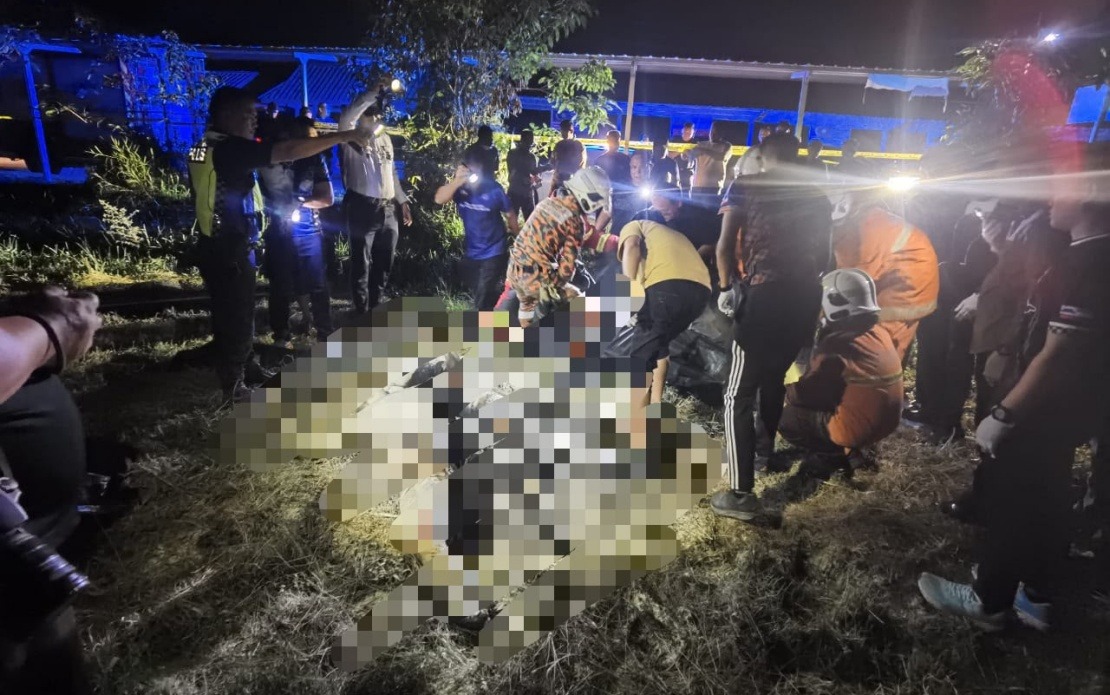
Three Royal Malaysia Police officers lost their lives in a suspected electrocution incident in the Beaufort district of Sabah on the afternoon of August 6, prompting emergency responders to rush to the scene along Jalan Weston in Kampung Weston. The tragic event unfolded swiftly, with social media quickly flooded by videos documenting the aftermath as concerned members of the public gathered at the location where the three men lay on the roadway. The incident marks a sobering reminder of the occupational hazards faced by Malaysia's law enforcement personnel and the dangers posed by electrical infrastructure in public spaces.
Emergency services received notification of the emergency at 5.56 pm, triggering a coordinated response from multiple agencies. The Sabah Fire and Rescue Department immediately mobilised personnel from its Beaufort station, dispatching a Fire Rescue Tender accompanied by a seven-member team to respond to the call. The deployment required responders to travel approximately 28 kilometres from their base to reach the incident location, a journey that would have taken precious minutes during the critical initial response phase. Authorities confirmed that the initial emergency report specifically identified electrocution as the suspected cause of death, guiding the nature and focus of the rescue and recovery operations that followed.
Operations Commander PBK I Irwan Abdul spearheaded the emergency response, coordinating with the Royal Malaysia Police and representatives from Sabah Electricity to manage the scene and ensure the safety of rescue workers and the public. The involvement of Sabah Electricity proved crucial, given the electrical nature of the suspected incident and the need to secure the area and isolate potential hazards. The multi-agency approach reflects established protocols for handling incidents involving electrical infrastructure, ensuring that specialist expertise was available to investigate the circumstances surrounding the tragedy and prevent further casualties.
The identities of the three deceased police officers remain under investigation, with authorities declining to release their names pending formal notification to family members and completion of preliminary identification procedures. Similarly, a comprehensive determination of the precise cause of the electrocution has not yet been publicly disclosed, as investigators work to reconstruct the sequence of events that led to this fatal occurrence. Such investigations typically require detailed examination of the electrical infrastructure in the vicinity, witness statements from those present at the scene, and forensic analysis to establish whether the electrocution resulted from contact with live wires, faulty equipment, or environmental factors that created electrical hazards.
The incident carries significant implications for workplace safety standards across Malaysia's law enforcement sector, raising questions about the adequacy of protective equipment, training protocols, and awareness programmes designed to minimise exposure to electrical hazards. Police officers conducting routine patrols or responding to calls may encounter various electrical dangers in their operational environment, from damaged power lines to compromised street infrastructure. This incident underscores the necessity for comprehensive safety briefings and preventive measures to protect personnel from hazards beyond traditional security threats.
From a broader public safety perspective, the electrocution of three individuals in a populated area highlights potential risks to civilian populations as well. Faulty or exposed electrical infrastructure in public spaces poses dangers to residents, workers, and visitors alike. The incident may prompt regulatory authorities to conduct audits of electrical systems in Beaufort and neighbouring areas to identify and remediate hazardous conditions before further accidents occur. Municipal and utility companies bear responsibility for maintaining infrastructure that protects public safety, making this tragedy a catalyst for renewed scrutiny of maintenance standards and inspection protocols.
The rapid dissemination of information through social media videos demonstrates how modern communication platforms shape public awareness of emergencies and tragedies. While such documentation can facilitate public understanding of incidents, it also raises concerns about dignity and privacy during moments of profound loss. The families of the deceased officers must navigate their grief while media coverage and public discourse continue. Authorities will need to balance transparency in their investigation with appropriate sensitivity to the emotional toll on bereaved families and colleagues within the police force.
The Sabah Police contingent faces a significant loss with the deaths of three serving officers. Beyond the immediate emotional and operational impact, the incident will likely prompt departmental reviews of safety protocols, training standards, and operational procedures. Police leadership across Malaysia will monitor this investigation closely, as lessons learned may inform broader organisational changes throughout law enforcement agencies nationally. The circumstances of this incident, once fully established, may become case studies in occupational health and safety training programmes.
As investigations continue, authorities have committed to releasing updated information regarding the victims' identities and detailed findings about the incident's cause. The cooperation between emergency services, police, and utility companies demonstrates the integrated approach required to manage complex emergency situations effectively. For Malaysian residents and readers across Southeast Asia, this tragedy serves as a sobering reminder of the hidden dangers that can lurk within everyday infrastructure and the importance of workplace safety consciousness across all professional sectors.

