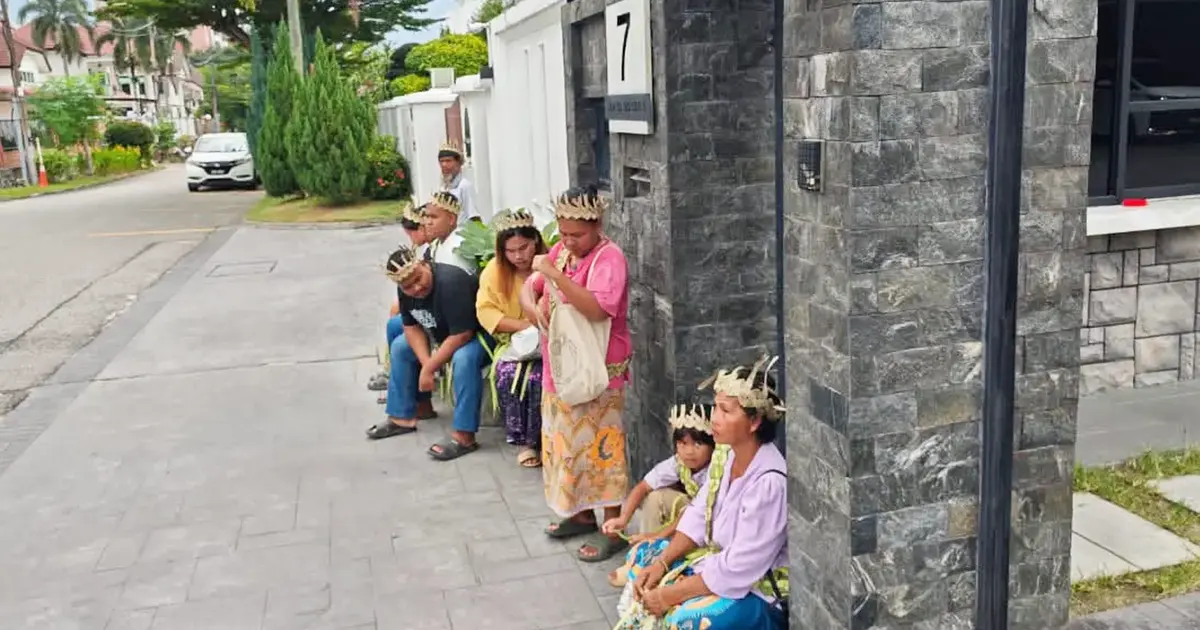
Prime Minister Anwar Ibrahim has confirmed that three Orang Asli individuals detained in relation to a land ownership dispute in Pahang have been freed, marking a potential turning point in a case that highlights the intersection of indigenous rights, land law, and intergovernmental coordination in Malaysia.
The detentions had raised concerns among indigenous rights advocates about the treatment of Orang Asli communities in disputes over customary lands. Anwar's confirmation of their release signals heightened federal attention to the matter, even as he acknowledged that formal responsibility for land affairs rests with state governments rather than the federal administration.
The prime minister indicated his administration would engage directly with Pahang's state government to address the underlying issues fuelling the conflict. This diplomatic approach reflects the constitutional division of powers in Malaysia's federal system, where land and local government matters are constitutionally reserved for states. Nevertheless, Anwar's personal involvement underscores the political sensitivity surrounding Orang Asli welfare and rights, which remain national policy concerns.
The case mirrors broader patterns of tension between indigenous land claims and state-administered land distribution systems across Southeast Asia. Orang Asli communities frequently find themselves disadvantaged in formal legal proceedings, which typically favour documented title holders over customary usage claims. The detention of community members adds another layer of concern, raising questions about due process and whether law enforcement mechanisms adequately protect indigenous groups during disputes.
Pahang, Malaysia's largest state by area, has been a focal point for land development initiatives and resource extraction projects that have periodically affected indigenous communities. Previous disputes in the state have prompted national-level scrutiny and occasionally resulted in compensation arrangements or land recognition agreements. The current incident suggests that pressure from federal authorities can influence how state governments handle such sensitive matters.
Orang Asli representation in Malaysia's political and legal systems remains limited despite constitutional provisions acknowledging their position as the peninsula's indigenous peoples. Land disputes often pit Orang Asli communities against better-resourced entities including government agencies, private developers, and established landholders. The intervention by the federal prime minister's office, even in a limited capacity, may provide procedural advantages that individual communities lack when operating independently through state-level channels.
The promise to raise the matter with Pahang authorities carries both practical and symbolic weight. Practically, it may encourage the state government to seek negotiated resolution rather than pursue enforcement actions that could escalate tensions. Symbolically, it demonstrates that federal leadership acknowledges Orang Asli concerns as matters worthy of prime ministerial attention, potentially affecting how these communities are treated in future disputes.
For Malaysian policymakers and regional observers, the incident reflects ongoing challenges in balancing development imperatives with indigenous rights protection. Southeast Asia's larger trend of development pressures on indigenous communities creates parallels with situations in Thailand, Cambodia, and Indonesia, where land conflicts involving aboriginal populations frequently generate international attention and criticism.
The release of the detainees, while welcome, does not necessarily resolve the underlying land dispute or establish clear frameworks for preventing similar detentions in future cases. Structural solutions would likely require either legislative amendments clarifying indigenous land rights, administrative reforms in how states handle such disputes, or negotiated agreements establishing consultation protocols before enforcement actions commence.
Anwar's involvement also reflects broader political calculations regarding support from constituencies concerned with indigenous welfare. Several political parties have increasingly emphasised indigenous rights in their platforms, recognising that Orang Asli voters and advocacy groups represent both a voting bloc and a touchstone issue for civil society organisations monitoring government performance on human rights.
The engagement between federal and state authorities on this matter sets a precedent for how similar cases might be handled going forward. If Pahang's government responds constructively to federal suggestions, it could establish an informal model for conflict resolution that other states might emulate. Conversely, if the underlying dispute remains unresolved and fresh tensions emerge, it may indicate the limits of federal soft power when constitutional authority rests with state governments.
Looking ahead, the case underscores the need for comprehensive national policy frameworks governing Orang Asli land rights and dispute resolution mechanisms. Current arrangements, which fragment authority across federal and state levels, sometimes create gaps that disadvantage indigenous communities lacking institutional resources or political connections. Harmonising these frameworks while respecting federalism remains an unfinished policy challenge for Malaysia's government.

