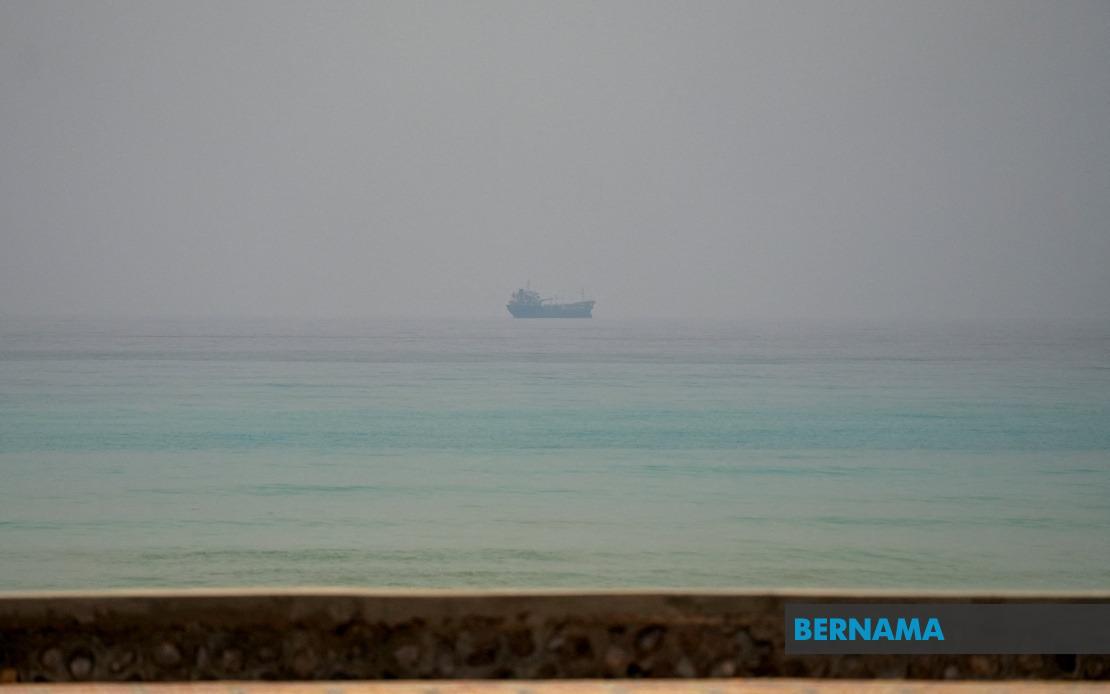
The maritime security situation in the Arabian Gulf deteriorated sharply on Tuesday when three separate attacks targeted oil tankers operating off Oman's coastline, according to statements from Oman's Maritime Security Centre. The incidents, which resulted in at least three missing seafarers and six others sustaining injuries, underscore the precarious conditions facing commercial shipping in one of the world's most strategically vital waterways and have immediate implications for global energy supplies and regional stability.
The first attack struck the tanker Stolt Magnesium approximately 40 nautical miles from South Al Sharqiyah Governorate, in international waters beyond Oman's territorial boundary. The impact triggered a fire in the vessel's engine room, compelling the immediate evacuation of its 23-member crew. A nearby merchant vessel responded to distress signals and successfully rescued all personnel aboard, with officials confirming that the evacuated crew members were in good health despite the severity of the incident. The swift response prevented what could have escalated into a catastrophic loss of life.
Two additional attacks occurred closer to Oman's coast in the strategically important Musandam area. The tanker Mombasa B was struck approximately 8.5 nautical miles off Musandam Governorate, sustaining damage that rendered its propulsion system inoperable. The vessel's 21-member crew required evacuation, and rescue operations revealed that six sailors had sustained injuries ranging in severity. A Royal Navy of Oman vessel maintained surveillance of the disabled ship as rescue efforts proceeded. Simultaneously, the tanker Al Bahyah was targeted about 9.6 nautical miles off the same governorate, forcing the evacuation of 18 crew members. Authorities launched search operations for three missing seafarers from this vessel, raising immediate concerns about loss of life.
ABU DHABI National Oil Company's shipping division, ADNOC Logistics & Services, publicly acknowledged that two of its crude oil tankers—Al Bahyah and Mombasa B—had been struck by projectiles while navigating the Strait of Hormuz. The company's statement confirmed that one seafarer was killed and multiple others injured in the coordinated attacks, providing casualty figures that exceeded initial Omani government disclosures. The confirmation from a major regional energy operator lends weight to assessments that these were deliberate military or paramilitary actions rather than accidents.
The timing and coordination of these three separate incidents within a compressed timeframe strongly suggest orchestrated targeting rather than random incidents. The pattern of strikes against commercial shipping transiting this critical chokepoint reflects an escalation in the strategic competition for control of the Strait of Hormuz, through which approximately one-third of globally traded seaborne crude oil passes daily. For Malaysia and other Southeast Asian nations heavily dependent on energy imports from the Middle East, such disruptions carry immediate economic consequences, potentially affecting fuel costs and supply security across the region.
The broader context of these attacks involves intensifying confrontation between the United States and Iran over maritime dominance in the Persian Gulf. Both powers have conducted recent military operations in the region, creating an unstable environment where civilian shipping faces heightened risk from potential crossfire or deliberate targeting. The U.S. maintains a significant naval presence designed to ensure freedom of navigation, while Iran has demonstrated increasing willingness to use asymmetric tactics against commercial vessels it views as supporting opposing interests. This strategic competition creates collateral damage in the form of endangered merchant mariners and disrupted global energy flows.
Oman's Foreign Ministry responded to the incidents by issuing a formal appeal for strict adherence to international maritime law, restoration of unimpeded freedom of navigation, and guarantees of safe passage for commercial vessels traversing the Strait of Hormuz. The statement reflects Oman's traditional role as a measured voice advocating for regional stability and de-escalation. However, the ministry's measured diplomatic language masks the severity of the security crisis confronting commercial shipping and the inadequacy of existing international mechanisms to protect vessels from attack.
The incidents have profound implications for maritime insurance premiums, shipping route planning, and energy security throughout Asia. Regional shipping companies now face difficult decisions about whether to transit the Strait of Hormuz or accept longer, more expensive alternative routes around Africa. Insurance costs for vessels entering the Persian Gulf region have already risen substantially, effectively creating a de facto tax on global energy trade. Malaysian shipping companies and energy importers must prepare for potential supply disruptions and cost increases as risk assessments shift.
These attacks represent a dangerous escalation that threatens the fragile conventions of international maritime law. The targeting of commercial vessels not directly involved in military conflicts violates established norms and creates a precedent for further attacks. Without immediate international intervention to establish security protocols and hold responsible parties accountable, the situation risks spiraling into broader regional conflict that would devastate global energy markets and create humanitarian crises through disrupted food and medical supply chains that depend on maritime commerce.
The missing crew members from these vessels represent immediate human tragedy, with families left in anguish regarding their loved ones' fates. Their circumstances underscore the human cost of geopolitical tensions that decision-makers in distant capitals often overlook. Search and rescue operations continue, but the extended period without contact raises grim possibilities regarding their survival. Regional maritime authorities and international organizations must prioritize locating and assisting these missing mariners while simultaneously working toward broader solutions that prevent future such incidents.
The incidents demonstrate why Southeast Asian nations have vital interests in de-escalation within the Arabian Gulf despite geographic distance. The region's prosperity and stability depend directly on uninterrupted energy supplies and functioning global trade networks. Malaysia and neighboring countries should advocate diplomatically for international frameworks that protect commercial shipping and create incentives for restraint among competing powers. The alternative—continued attacks and escalating military responses—threatens the economic foundations upon which regional development depends.

