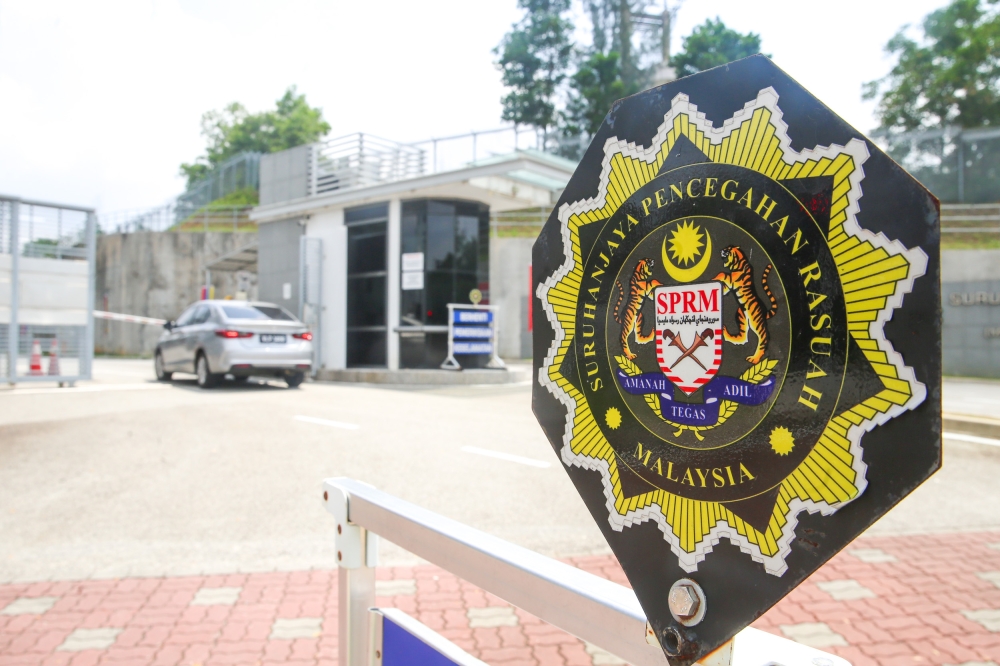
The Malaysian Anti-Corruption Commission has secured a five-day remand order against three additional individuals as part of its investigation into the alleged misappropriation of RM450,000 in penalty payments. The development, confirmed in Putrajaya on August 5, signals an expanding probe into what authorities characterise as a significant case of financial misconduct involving public funds.
This latest round of detention comes as the MACC intensifies its examination of how the penalty monies were allegedly diverted from their intended purpose. The remand period, which extends to five days, provides investigators with sufficient time to conduct detailed questioning and gather additional evidence related to the suspects' involvement in the matter. The specifics of each individual's alleged role in the scheme remain under investigation, though the parallel detention of multiple persons suggests a coordinated effort to misuse or misallocate the funds.
The MACC's aggressive pursuit of this case reflects the anti-corruption body's mandate to investigate and prosecute financial crimes affecting public resources. Malaysia has long grappled with corruption issues across both government and private sectors, and high-profile cases such as this serve to test the effectiveness of institutional safeguards designed to protect taxpayer money. The involvement of multiple suspects indicates that the alleged misconduct may not have been an isolated incident but rather part of a larger scheme requiring orchestration among several parties.
Penalty payments, typically imposed through regulatory or judicial processes, are meant to serve punitive and deterrent functions while generating revenue for government coffers. When such funds are misappropriated, they represent a double loss to the public—not only is money that should benefit the state diverted, but the integrity of the enforcement mechanism itself is compromised. This particular case centres on RM450,000, a substantial sum that underscores the scale of the alleged breach.
The MACC's investigative methodology in securing remand orders reflects standard procedure in Malaysian corruption cases. Authorities must present evidence before a judge to justify detention, demonstrating reasonable grounds to believe that the suspects are connected to the alleged offence and that further questioning is necessary. The granting of a five-day remand suggests the court found the commission's submissions sufficiently persuasive to warrant extended custody for investigative purposes.
From a governance perspective, this case highlights vulnerabilities in financial oversight systems, particularly regarding the tracking and allocation of penalty revenue. Malaysian institutions have implemented various measures to tighten controls over public funds, yet cases like this suggest that implementation gaps or institutional weaknesses may still exist. The investigation's scope will likely extend beyond the three detained individuals to examine procedural breakdowns and systemic failures that may have enabled the alleged misuse.
For Malaysian businesses and stakeholders, the vigorous pursuit of such cases carries implications for the broader anti-corruption environment. A credible and active MACC signals that financial crimes will not go unchecked, which theoretically encourages compliance and deters misconduct across sectors. However, it also underscores the need for organisations to maintain robust internal controls and transparency mechanisms to protect themselves from implicated individuals.
The timing of the detention announcement—coming amid ongoing public discourse about corruption and governance in Malaysia—suggests the MACC's commitment to demonstrating results and maintaining public confidence in its investigative capabilities. The commission faces periodic scrutiny regarding its independence and the consistency of its enforcement, making high-profile cases important benchmarks for assessing institutional credibility.
Regionally, Malaysia's approach to tackling corruption matters to other Southeast Asian nations that face similar challenges. How effectively the MACC prosecutes cases like this sets standards for anti-corruption work across the region and influences investor confidence in the Malaysian economy. International observers often cite the consistency and rigour of domestic enforcement as indicators of a country's commitment to fighting financial crime.
The investigation into the alleged RM450,000 misuse will likely proceed through additional questioning phases, possible charges, and eventual court proceedings if sufficient evidence supports prosecution. The outcomes of this case—including whether suspects are charged, convicted, and what sentences are imposed—will provide insight into how Malaysian law treats public officials or individuals involved in the misappropriation of state resources. As the MACC continues its work, the five-day remand period remains critical for establishing the full scope of the alleged scheme and identifying whether additional parties were involved.

