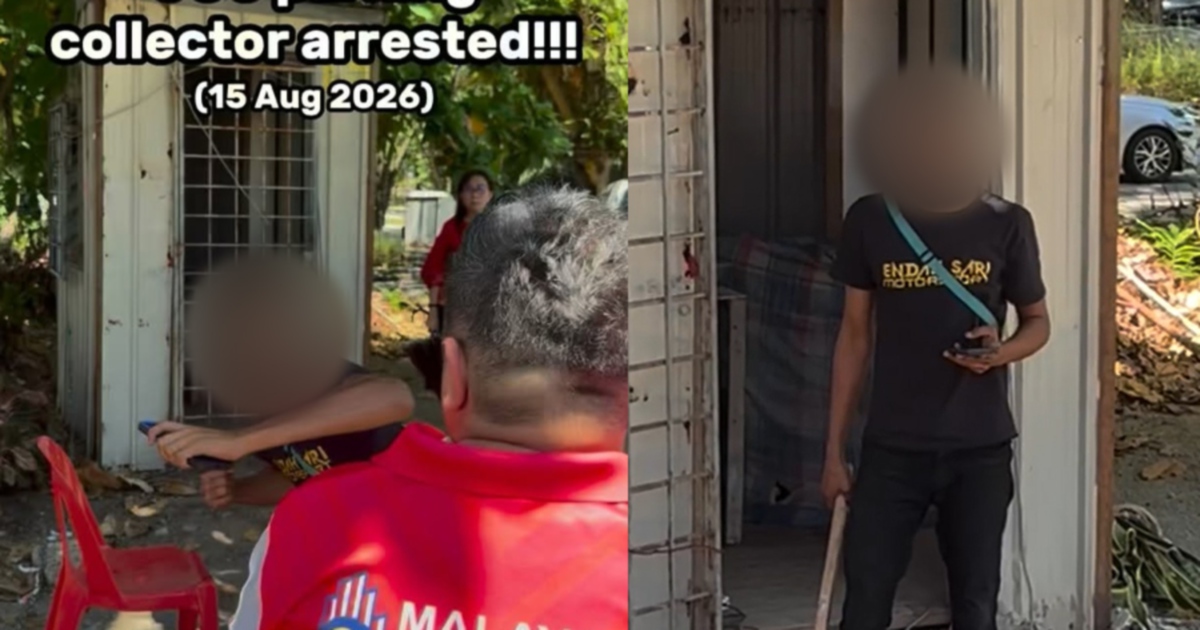
A 38-year-old woman fell victim to a violent assault in the Kuala Lumpur suburb of OUG after she took issue with three men who were collecting parking fees without proper authorisation. The incident, which has prompted a police investigation, has shone a light on the persistent problem of illegal parking levy schemes operating in residential and commercial areas across the Klang Valley. Following the woman's complaint, officers from the Kuala Lumpur Police contingent moved quickly to apprehend three suspects, marking another chapter in authorities' ongoing efforts to curb such fraudulent activities.
The circumstances surrounding the altercation underscore a broader social concern affecting Malaysian communities, particularly in urban centres where parking disputes frequently escalate into physical confrontations. When the woman objected to the collection methods employed by the three men, the interaction deteriorated rapidly, resulting in her being struck in the head and subjected to threats. Such incidents are not isolated occurrences; they reflect deeper issues around informal taxation systems that operate in grey zones beyond official municipal oversight and accountability frameworks. The OUG district, a densely populated residential neighbourhood in central Kuala Lumpur, has in recent years become a focal point for such unlicensed parking operations.
The distinction between legitimate parking management and unauthorised fee collection schemes is crucial for understanding this case. Genuine parking charges in Kuala Lumpur are typically administered by the Kuala Lumpur City Hall (DBKL) or authorised contractors operating under municipal contracts, with clear signage and transparent pricing structures. In contrast, freelance collectors operating without proper credentials often employ intimidation tactics to extract compliance from motorists and residents. The arrested individuals allegedly fell into this latter category, using force and intimidation when confronted about the legitimacy of their operations. This pattern mirrors similar incidents across other parts of the capital, where residents and visitors have become increasingly cautious about demands for payment at parking sites.
The violence inflicted on the woman in this case—specifically a punch to the head combined with verbal threats—escalates the matter beyond typical civil disputes about parking fees. Such aggression transforms what might otherwise be a contractual or administrative disagreement into a criminal assault case. The fact that she possessed sufficient conviction to challenge the men's activities, despite the personal risk, highlights the frustration many Kuala Lumpur residents feel about these schemes. However, it also demonstrates the substantial danger that can accompany attempts to resist such operations independently, without involving authorities.
Police response in this instance appears relatively swift and decisive. By moving to arrest all three suspects shortly after the complaint was lodged, law enforcement signalled that physical violence linked to parking fee collection—legitimate or otherwise—constitutes a serious matter warranting immediate intervention. This approach may serve as a deterrent to others engaged in similar schemes, though long-term solutions likely require more systemic changes to parking management across the city. The coordinated arrests also reflect ongoing police commitment to addressing street-level crime and protecting citizens from violent confrontation.
The broader context of illegal parking operations in Malaysia reveals a complex enforcement landscape. While some parking schemes emerge from a desire by informal groups to maintain order in crowded areas, many are straightforward extortion attempts. Residents often face pressure to pay these levies simply to secure a parking spot, creating a form of de facto private taxation that operates outside legitimate municipal channels. The OUG case demonstrates how resistance to these schemes can trigger aggression, creating an intimidating environment for those unwilling to comply with unauthorised demands.
For Malaysian consumers and residents, particularly those in urban areas where such operations flourish, this incident carries practical implications. Encounters with people demanding parking fees in unregulated areas warrant cautious verification of their legitimacy. Residents can check with local councils or DBKL to confirm whether parking management has been contracted to any particular organisation. Photographing licence plates or official credentials, avoiding confrontation when verification is uncertain, and reporting suspicious activities to police are safer approaches than direct challenge. The woman's experience illustrates that aggressive enforcement by these operators means personal safety considerations should take precedence.
The presence of illegal parking schemes also reflects governance gaps in municipal management. Residential areas like OUG, which combine older infrastructure with newer developments and varied land use patterns, can prove difficult for formal authorities to monitor comprehensively. When gaps exist, informal systems fill them—sometimes beneficially, but often creating opportunities for exploitation. Strengthening DBKL's presence in such areas, improving signage for legitimate parking arrangements, and establishing clear complaint mechanisms would help reduce the space where unregistered operators can flourish.
Looking ahead, this case may prompt broader discussions about parking management reform across Kuala Lumpur. The violence component ensures media and public attention that administrative failures in parking oversight might otherwise not receive. Police investigations may reveal whether these three men were part of a larger network, operating across multiple neighbourhoods, or whether they acted independently. Either revelation would carry different implications for the scope of the problem and the scale of response required from authorities. The investigation's outcome could also influence how residents approach encounters with unofficial fee collectors in future.

