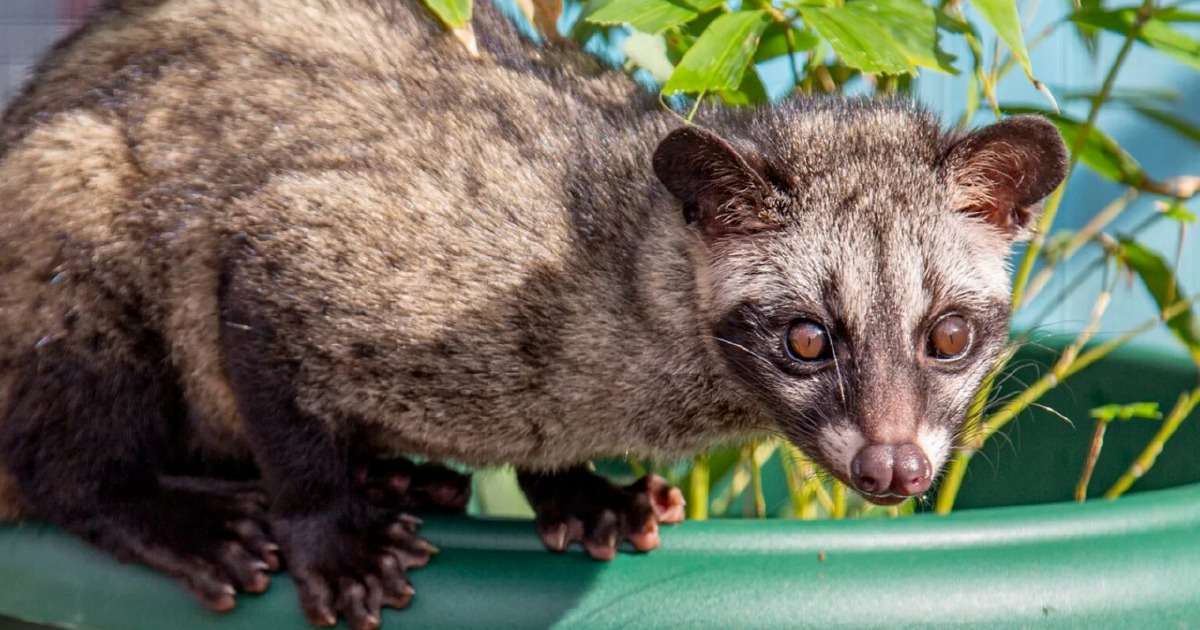
Wildlife authorities in Kelantan have taken three men into custody following the discovery of two young Asian palm civets in their possession during a late-night enforcement operation at a roadblock in Tanah Merah. The arrests occurred at the Lalang Pepuyu checkpoint, where officers conducting Operation Taring Wawasan inspections uncovered the unlicensed animals, sparking an investigation into potential wildlife trafficking networks in the region.
The seizure highlights the persistent challenge of illegal wildlife trade throughout Malaysia, where demand for exotic animals as pets or for traditional medicine remains a significant enforcement concern. Asian palm civets, also known as toddy cats or musang in Malay, are protected under Malaysia's Wildlife Protection Ordinance 1972, and their possession requires explicit authorisation from the Department of Wildlife and National Parks. The confiscation of the cubs represents a proactive success in intercepting animals before they enter illegal commercial channels, though enforcement gaps continue to plague the sector.
Operation Taring Wawasan reflects intensified scrutiny of transportation corridors across Malaysia's northeastern states, where cross-border movement of protected fauna has historically represented a vulnerability in wildlife protection. Roadblocks and checkpoint operations serve as critical surveillance tools, allowing authorities to intercept smuggling attempts and undocumented wildlife before reaching distribution networks in urban centres or export hubs. The Tanah Merah location places the incident within a historically significant trafficking corridor connecting Kelantan to major markets in the Klang Valley and international ports.
The detention of three individuals simultaneously suggests an organised operation rather than isolated possession, potentially indicating links to broader smuggling networks. Investigators will likely examine the origins of the cubs, their intended destination, and any financial transactions associated with the animals. Such enquiries frequently uncover connections between street-level possession and upstream poaching activities in protected areas, where organised gangs systematically remove animals from the wild to meet market demand.
Asian palm civets occupy an unusual position in Southeast Asian wildlife management. While populations remain relatively stable across their broader range, they suffer significant mortality in human-dominated landscapes and face targeted capture for consumption and medicinal use. The civet coffee industry, though primarily associated with Indonesia, has created market incentives affecting populations across Malaysia. Additionally, young cubs command premium prices in underground pet markets, particularly among urban collectors seeking rare and exotic animals.
The implications for Malaysia's wildlife governance remain substantial. Despite legislative protections dating back fifty years, enforcement remains resource-constrained, with officer shortages and limited prosecutorial capacity allowing many violations to proceed undetected. Penalties for illegal possession, while codified, are frequently applied inconsistently, and fines often prove insufficient to deter determined smugglers. The case underscores a critical gap between legislative ambition and operational reality in Malaysian wildlife protection.
From a regional perspective, the arrest reflects broader Southeast Asian concerns about wildlife trafficking flowing through established transport networks. ASEAN nations, particularly Malaysia, Thailand, and Laos, occupy central positions in trafficking routes supplying international markets and domestic demand across the continent. The Kelantan incident demonstrates that enforcement operations at the domestic level remain essential, even as international cooperation mechanisms remain underdeveloped relative to the scale of illegal trade.
The seized palm civet cubs now enter Malaysia's wildlife rehabilitation system, though the long-term prospects for young animals captured from the wild remain complicated. Rehabilitation protocols vary by institution, and successful reintegration of habituated animals into wild populations presents substantial technical challenges. Many rescued civets remain permanently in captive care at accredited facilities, representing a hidden cost of wildlife trafficking borne by conservation institutions rather than perpetrators.
Looking forward, the prosecution of the three Tanah Merah suspects will shape jurisprudence around wildlife trafficking charges in Kelantan and potentially influence sentencing guidelines across Malaysian jurisdictions. Whether authorities pursue charges under wildlife protection statutes alone or attempt to establish links to broader smuggling conspiracies will establish precedent for future cases. Enhanced cooperation between state-level wildlife authorities and federal law enforcement agencies, particularly the Ministry of Natural Resources, appears essential to dismantle trafficking networks systematically rather than addressing isolated incidents reactively.

