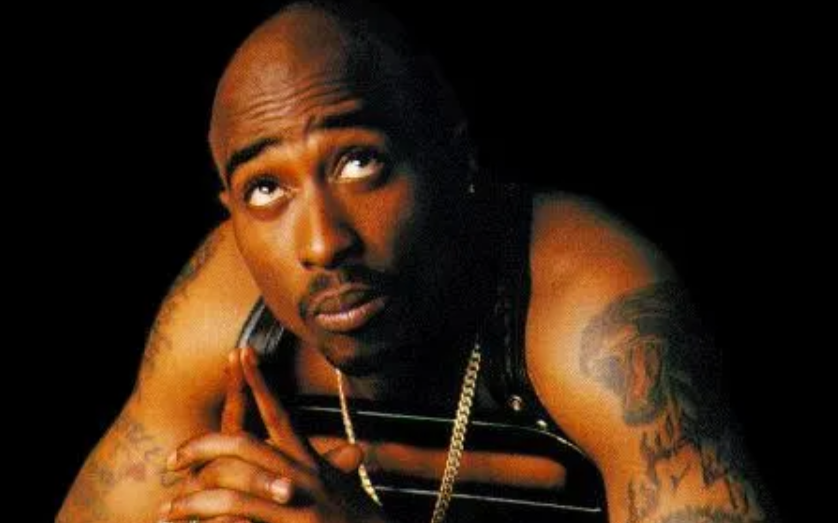
The trial of Duane 'Keffe D' Davis, a former South Side Compton Crips leader, commenced on Monday with jury selection, marking a watershed moment in one of American popular culture's most enduring mysteries. Three decades have passed since Tupac Shakur, one of hip-hop's most influential voices, was fatally shot in a drive-by killing on September 7, 1996, while in Las Vegas attending a Mike Tyson boxing match. Davis, now 63, faces a potential life sentence without parole if convicted of orchestrating the killing that claimed the rapper's life when he was just 25 years old.
The trial is expected to run for approximately one month, though prosecutors acknowledge it may not definitively establish who pulled the trigger that night. Instead, the state's case centres on demonstrating that Davis ordered the execution and supplied the weapon used in the shooting. The evidence prosecutors intend to present will attempt to reconstruct the chain of events leading to Shakur's death, piecing together testimony and documentary evidence accumulated over three decades of investigation and recent developments.
Shakur's murder became emblematic of the East Coast-West Coast hip-hop rivalry that defined the genre during the mid-1990s. The Death Row Records empire, established by Marion 'Suge' Knight and based in Los Angeles, represented West Coast dominance, while Sean 'Diddy' Combs's Bad Boy Records championed East Coast artists, most notably Christopher 'The Notorious B.I.G.' Wallace, who would himself be murdered just six months after Shakur. The cultural battleground extended beyond music into the streets, with gang affiliations mirroring record label divisions. Death Row maintained protection through Mob Piru, a Los Angeles Bloods faction aligned with Knight, while Bad Boy Records had contracted the South Side Compton Crips, led by Davis, as security.
The immediate trigger for Shakur's death, according to prosecutors, stemmed from a confrontation hours earlier at the MGM Grand casino. After attending the Tyson fight, Knight and Shakur encountered Orlando 'Baby Lane' Anderson, Davis's nephew and a Crips member, and allegedly assaulted him in retaliation for a previous attack on a Death Row employee. This incident, prosecutors argue, set Davis on a path toward violent revenge. Later that evening, a white Cadillac pulled alongside Shakur's vehicle on a Las Vegas street. Gunfire erupted from the Cadillac, and Shakur sustained fatal injuries. He died six days later in hospital, never identifying his attackers.
The investigation languished for decades, hampered by witness reluctance, lack of physical evidence, and the code of silence prevalent in gang culture. The case remained cold until 2019, when Davis published a memoir detailing his life and criminal history. In that book, Davis provided incriminating details: he described sitting in the front seat of the Cadillac and passing a pistol to occupants in the back seat. Critically, he stopped short of naming who fired the fatal shots. Davis had previously made similar admissions to reporters, but the published memoir provided law enforcement with documented evidence. This contradiction between his detailed book account and his subsequent legal silence would become central to prosecutors' strategy, demonstrating knowledge and participation in the crime.
Davis's arrest came in September 2023, more than a quarter-century after Shakur's death. However, the defendant has since dramatically reversed his position. Now he pleads not guilty and maintains his innocence vigorously. In a March 2025 interview from prison with ABC News, Davis denied ever killing anyone and claimed prosecutors possessed no evidence placing him in Las Vegas on the night in question. He now asserts he was in Los Angeles when the shooting occurred. Regarding his memoir, Davis claims he merely provided biographical details to his co-author, who independently conducted research and wrote the book to boost sales. This explanation strains credibility given the specific operational details Davis allegedly provided about the Cadillac and the gun transfer.
Davis's legal team mounted a vigorous pretrial defence, attempting to exclude his memoir from evidence as well as statements he made to police in 2008 when questioned as a witness to the killing. These efforts failed, meaning prosecutors can present Davis's own words as testimony to his involvement. The admission of the memoir and prior statements represents a significant advantage for the state, as they provide contemporaneous admissions difficult to explain away through simple denials made years later. The dramatic shift between Davis's 2019 public disclosures and his current claims of innocence creates a narrative problem the defence must address without compelling exculpatory evidence.
A poignant aspect of this delayed justice is that all other individuals present in the Cadillac that fateful night have since died, eliminating potential witnesses who might corroborate or challenge Davis's account. This peculiarity underscores both the passage of three decades and the violent trajectories of those involved in gang activity. The absence of living co-conspirators means the trial will rely heavily on circumstantial evidence, Davis's own documented statements, and forensic or ballistic analysis from 1996. The case thus becomes substantially a trial of Davis's credibility against his own prior admissions.
Regardless of the verdict, closure remains elusive for Shakur's family. In May, his stepbrother Maurice Shakur initiated a wrongful death civil lawsuit, asserting that certain individuals responsible for the murder remain unaccountable after 30 years. The complaint references unspecified documentary evidence, including a recent television series examining the case. This civil action suggests the family believes the criminal trial, even if successful against Davis, may not encompass all parties involved in the conspiracy. The lawsuit signals that even conviction would represent incomplete justice in the family's assessment.
For Southeast Asian audiences, this trial offers insights into how American justice systems address cold cases decades after the crime and the role that memoir publication and media attention play in reviving dormant investigations. The case also illustrates the intersection of entertainment industry disputes and gang violence, a cautionary tale about how commercial rivalries can escalate into lethal consequences. The 30-year investigation timeline, combined with the suspect's evolving narratives, demonstrates both the challenges law enforcement faces in gang-related homicides and the technical tools—like memoir publication tracking—that can eventually pierce decades of silence and evasion.

