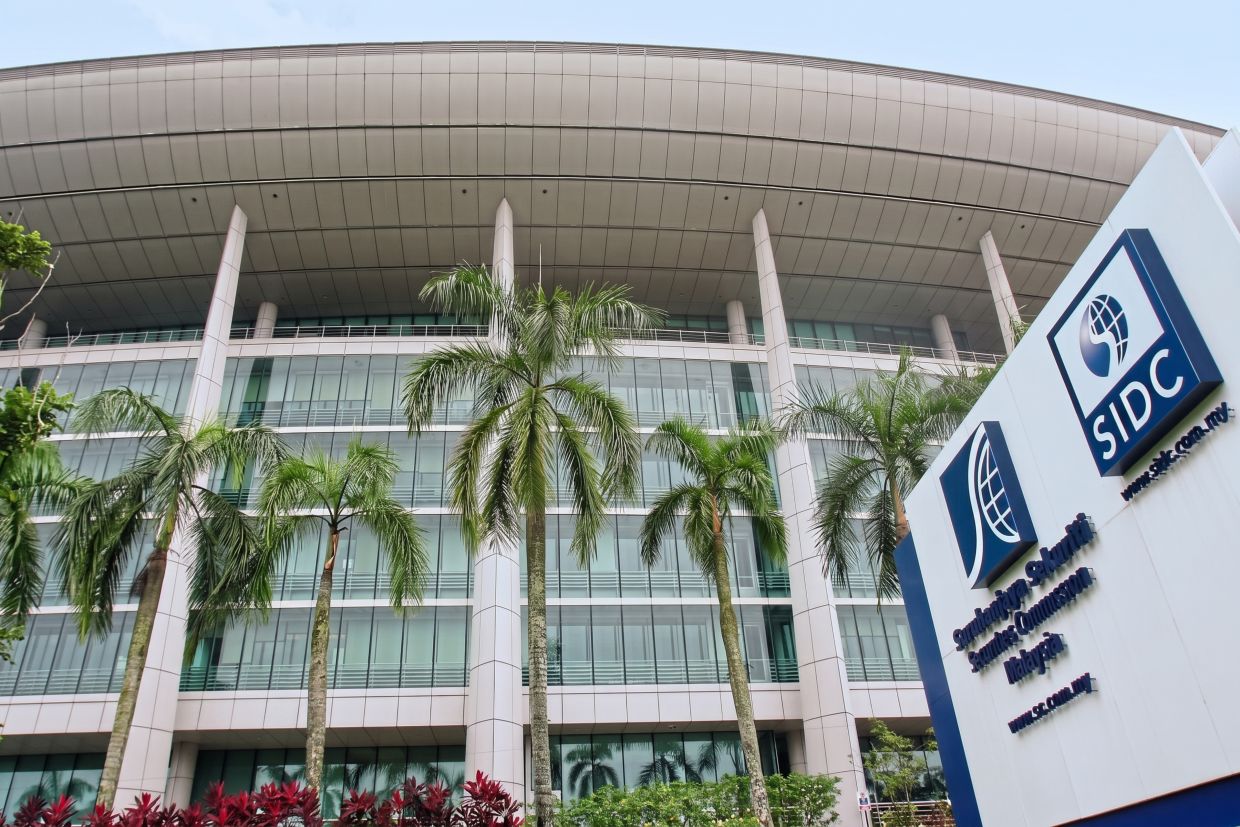
The Securities Commission Malaysia (SC) has mounted legal proceedings against three brothers—Anuar Hassan, Mohd Amin Hassan, and Amir Hassan—at separate sessions courts in Kuala Lumpur, alleging they operated as unlicensed securities dealers in breach of Malaysia's capital markets regulatory framework. The coordinated charges underline the regulator's ongoing enforcement efforts against unauthorised intermediaries operating in the financial sector.
Mohd Amin Hassan faces a single count under section 58(1) of the Capital Markets and Services Act 2007 (CMSA), which specifically criminalises engaging in securities dealing without proper authorisation. He secured bail at RM30,000 with two local sureties, on condition that he surrender his passport to the court and report monthly to the SC's investigating unit. These conditions typically serve to restrict movement and maintain investigative oversight during the pre-trial phase.
Anuar and Amir Hassan jointly face two charges under section 58(1) of the CMSA coupled with section 34 of the Penal Code, which establishes liability for abetting or conspiring in criminal conduct. Each was released on RM30,000 bail with two sureties, subject to identical reporting and documentation conditions. The dual charges suggest the authorities view their conduct as deliberate collaboration rather than isolated individual breaches.
In a separate proceeding, Amin and Amir were charged conjointly with one count under section 58(1) of the CMSA with Penal Code section 34 read together. Both received RM20,000 bail with two sureties each and similar restrictive conditions. The staggered charges across different courtrooms reflect the complexity of the investigation, potentially indicating multiple alleged schemes or distinct periods of unlicensed activity.
Amir Hassan faces additional exposure, with two standalone charges under section 58(1) of the CMSA carrying a RM30,000 bail quantum. Anuar and Amin were also charged together with one count under section 58(1) with Penal Code section 34 attached, each securing RM30,000 bail. Anuar received yet another individual charge under section 58(1), attracting RM30,000 bail with standard conditions. The proliferation of separate charges across the three men suggests investigators uncovered a scheme with multiple layers, possibly involving different victims, timeframes, or methods of securities trading conducted without proper licensing.
The underlying allegation centres on their operation of what amounted to an unlicensed capital markets services business. Under Malaysian law, any person or entity conducting activities such as dealing in securities, fund management, or investment advice must first obtain the SC's Capital Markets Services Licence. The prohibition exists to protect retail investors from fraud, misrepresentation, and inadequate safeguards. Operating without this licence places investors at substantial risk, as unlicensed operators typically lack the compliance infrastructure, capital adequacy requirements, and professional standards mandated for licensed intermediaries.
The alleged offences occurred between March 2019 and October 2019 across Kuala Lumpur, Putrajaya, Selangor, and Johor. The eight-month window suggests a sustained operation rather than sporadic violations. The geographic spread across multiple states indicates either a widely distributed client base or multiple operational sites, both factors that would have amplified the potential harm to unwitting investors who may have believed they were dealing with properly regulated entities.
All three brothers have elected to contest the charges at trial rather than accept guilt, positioning the case for what could become a lengthy court battle. Their decision to plead not guilty means the SC must present sufficient evidence to establish unlicensed dealing beyond reasonable doubt. The prosecution will likely rely on transaction records, client testimony, and communications demonstrating the brothers' awareness that they lacked proper licensing. Defence counsel may contest whether the activities constituted regulated capital markets services or argue procedural irregularities in the investigation.
Conviction carries severe consequences. The CMSA prescribes fines reaching RM10 million alongside or instead of imprisonment up to a decade. Such penalties reflect Parliament's assessment of securities fraud as a serious economic crime. Individual imprisonment sentences in past cases have sometimes reached the maximum, particularly where organised schemes or substantial sums were involved. The financial penalty could prove ruinous for individuals, though corporate entities have absorbed larger fines.
This prosecution arrives amid broader SC focus on combating unlicensed financial intermediation. The rise of digital platforms and cryptocurrency has created new avenues for unauthorised operators to solicit investors, often targeting retail savers and retirees with promises of high returns. Malaysian courts have convicted numerous unlicensed operators in recent years, though enforcement remains challenged by the scale of informal financial activity and the technical sophistication some operators employ to obscure their activities.
For Malaysian investors and the broader financial ecosystem, the case reinforces the importance of verifying that any investment service provider holds valid SC licensing. The SC maintains a public register of licensed entities, accessible online, providing a simple due-diligence step. Investors approached by unlicensed dealers face not only the prospect of fraud but also the near-certainty that no regulatory safety net will protect their capital if schemes collapse. The Hassan brothers case demonstrates that authorities continue to pursue systematic enforcement actions against organised unlicensed operations, though the ongoing nature of such violations suggests demand for underground financial services persists.

