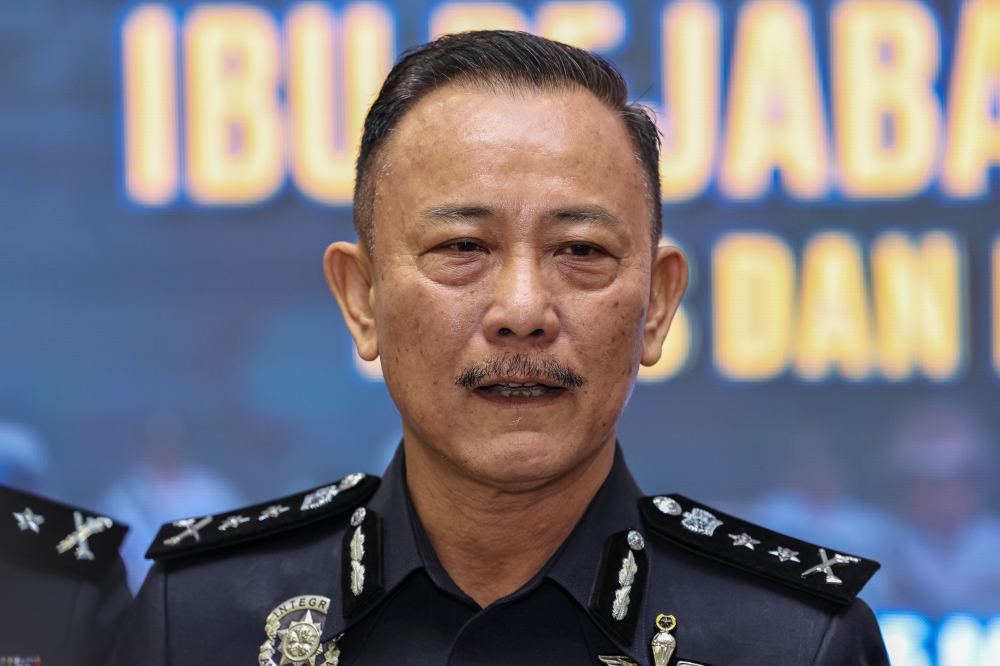
Police in Johor Bahru have apprehended three individuals as part of their inquiry into the death of a man whose remains were discovered in a river, marking a significant development in a case that has drawn public attention across the state. The arrests represent a substantial progression in the investigation, which began when authorities were alerted to the disappearance of the victim and subsequently located his body in the waterway.
The discovery of the deceased sparked an immediate police response, with officers initiating a comprehensive inquiry into the circumstances that led to his presence in the river. The involvement of three suspects in police custody suggests investigators have identified persons of interest who may hold crucial information regarding the chain of events leading to the man's death. The decision to formally arrest the individuals indicates authorities possess sufficient grounds to justify their detention while the investigation progresses.
In Johor, where crime investigations frequently capture public interest, the case has prompted residents to consider safety concerns within their communities. The river discovery mechanism highlighted in this incident reflects a pattern sometimes seen in criminal investigations across Malaysia, where waterways serve as locations of significance in various cases. The local population has been attentive to developments, recognising the serious nature of such investigations.
Police procedures in Johor generally follow established protocols when handling suspected unlawful deaths. The three arrested individuals will likely face questioning regarding their knowledge of the victim, any conflicts or disputes that may have existed, and their whereabouts during the critical period surrounding the man's disappearance. Interrogation techniques employed by the Royal Malaysia Police typically focus on establishing timelines and identifying potential motives or circumstances.
The discovery location—a river within Johor's boundaries—provides forensic teams with an initial crime scene to examine. Water-based recovery scenarios present distinctive investigative challenges, as evidence preservation and timeline establishment become considerably more complex than in terrestrial settings. Officers specialising in such recoveries will have documented conditions at the discovery site, water levels, and environmental factors that might influence how the body reached its location.
For families affected by such incidents, the arrest phase offers a crucial turning point where investigation momentum often accelerates. The involvement of multiple suspects suggests the police investigation may encompass questions about whether the death resulted from deliberate actions, negligence, or unforeseen circumstances. Each scenario carries profound implications for how charges may eventually be formulated against those detained.
The broader context of law enforcement in Johor reflects ongoing efforts by state police to address various categories of crime ranging from property offences to more serious investigations such as this one. Johor's police contingent manages a diverse jurisdiction with urban centres like Johor Bahru alongside more rural areas, requiring flexible investigative approaches. Cases involving missing persons and subsequent discoveries typically receive prioritised attention within departmental hierarchies.
As the investigation continues, several investigative avenues typically remain open for police to pursue. Forensic examination of the recovered body will provide essential medical evidence about cause of death, timeline of the demise, and potentially identifying marks or injuries that may connect to circumstances under investigation. Digital forensics may be engaged if mobile phones, computers, or other devices belonging to the suspects or victim require examination for evidence of planning, communication, or motive.
The media's coverage of such cases across Malaysia generally emphasises the police investigation phases while respecting legal constraints regarding sub judice matters. The public's interest in security and justice aligns with police accountability measures that encourage transparency without prejudicing the investigative process. For Johor residents, developments in such cases often fuel broader community discussions about personal safety and neighbourhood security.
Neighbouring states and Malaysian law enforcement agencies at federal level may offer support to Johor Police depending on the investigation's complexity and requirements. Inter-agency cooperation in serious crime investigations has become increasingly sophisticated, with information sharing protocols and specialised units available to support state-level investigations. The three arrests represent stage one of what may prove a lengthy legal process including further interrogation, charging decisions, and eventual court proceedings.
The investigation's trajectory will likely involve regular updates from police regarding the suspects' detention status, whether charges will be preferred, and what evidence has been gathered. Family members of the deceased and the broader community remain invested in understanding how the tragedy occurred and whether the criminal justice system will provide closure and accountability. Johor Police have indicated they will release further information as the investigation develops, subject to legal restrictions.
Moving forward, this case exemplifies the investigative work undertaken regularly by Malaysian police in cases where suspicious circumstances surround unexplained deaths. The three-suspect development provides investigators with multiple interview subjects whose statements may be cross-referenced and analysed for consistency. Whether all three eventually face charges or play varying roles in the legal process remains undetermined as inquiries proceed through their initial phases.

