The infrastructure powering the artificial intelligence revolution operates at a deafening cost to those living in its shadow. While most people experience the cloud as an invisible digital convenience, residents near data centres encounter something far more tangible: an incessant, pulsating hum that resembles an idling truck engine, distant aircraft, or the bass-heavy throb of a never-ending party. This acoustic reality has become so unbearable for some communities that homeowners are now turning to the courts for relief, filing lawsuits that represent the first major legal pushback against an industry expanding at unprecedented speed.
The data centre landscape in the United States has exploded into a sprawling infrastructure beast. With more than 3,000 operational facilities already running and another 1,500 in various stages of development, according to analysis by the Pew Research Center, these technological hubs have largely escaped public scrutiny by operating invisibly at the periphery of daily consciousness. Yet their physical footprint and operational demands are anything but invisible to those living nearby. The concentration is striking: nearly 40 per cent of American homes now sit within five miles of at least one operational data centre, and this proximity is only increasing as new facilities multiply.
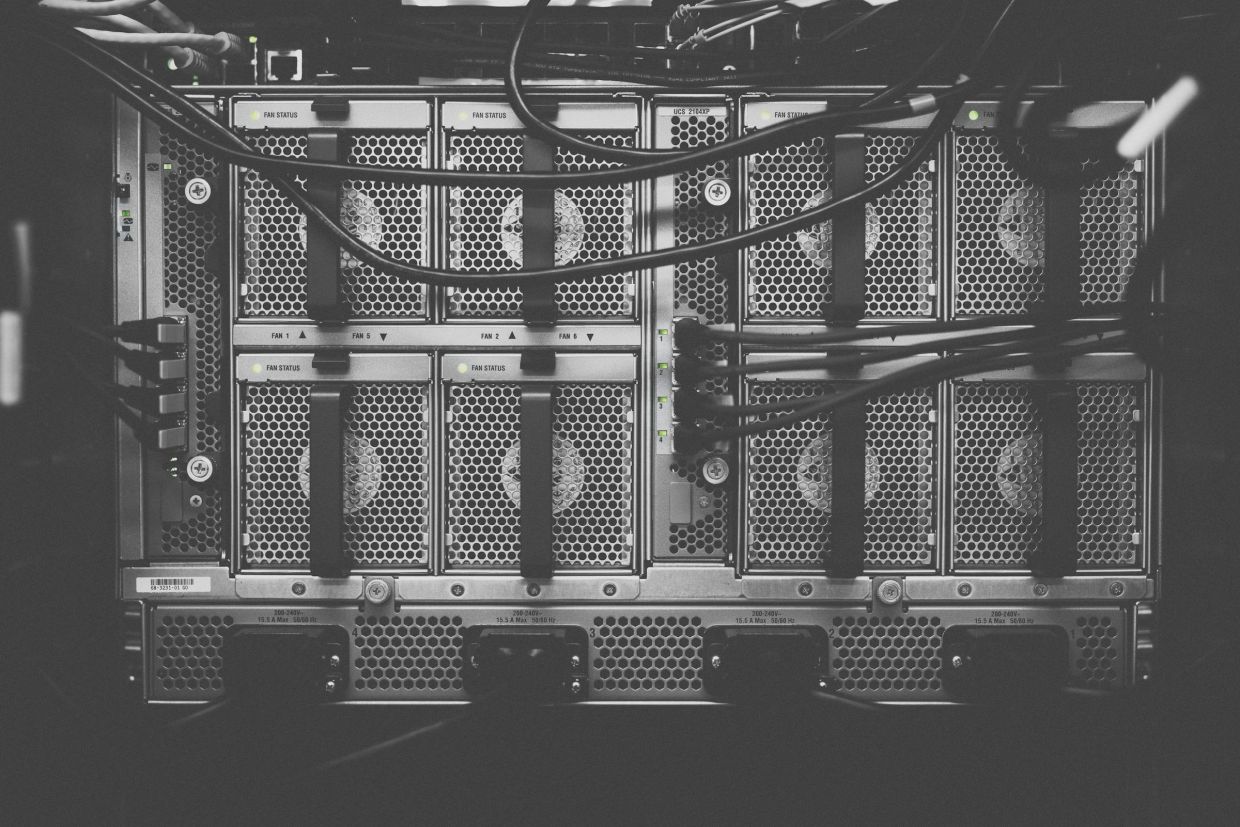
These industrial complexes house thousands of servers and processing chips that collectively perform billions of computational operations every single day. The sheer processing power required generates tremendous heat, necessitating massive industrial cooling systems. Towering fans work continuously to prevent equipment from overheating, while many facilities rely on diesel-powered generators to supplement power from the electrical grid, which frequently cannot sustain the enormous energy demands alone. This combination of cooling systems, generators, and mechanical infrastructure creates the acoustic phenomenon that is ruining the quality of life for nearby residents.
The artificial intelligence boom has dramatically accelerated data centre construction, as AI applications demand exponentially more computing capacity and cooling infrastructure than traditional cloud services. This acceleration has raised the stakes for communities already struggling with noise pollution. The acoustic footprint of modern data centres dwarfs that of their predecessors, according to Les Blomberg, executive director of the nonprofit Noise Pollution Clearinghouse, making comparison to older facilities virtually meaningless. The sound travels considerable distances—hundreds of feet and occasionally up to a mile away—penetrating residential areas and creating persistent disturbances.
What makes this problem particularly insidious is the presence of infrasound, a category of ultra-low-frequency sound waves that falls below the threshold of human hearing. Rather than hearing these frequencies consciously, residents physically experience them as pressure fluctuations coursing through their bodies, similar to the bone-deep vibration from a bass drum at a concert. Scott Hamilton, a member of the Acoustical Society of America and consultant on data centre acoustics, explains that this distinction renders conventional noise measurement and mitigation strategies largely ineffective. The problem exists in a domain where traditional solutions simply do not apply.
Residents exposed to prolonged infrasound exposure consistently report a troubling constellation of health impacts. Chronic sleep deprivation and insomnia emerge as the most commonly cited complaints, but the effects extend further. Headaches, sensations of pressure within the ear canal, and elevated anxiety levels all appear with alarming frequency among those living near these facilities. The cumulative toll on quality of life is substantial, yet regulatory frameworks have proven woefully inadequate to address it.
The regulatory vacuum at the heart of this crisis stems from decades-old policy decisions. Noise pollution is handled entirely at the local level through a maze of zoning ordinances written decades ago to address nuisances like loud parties, barking dogs, or construction noise—not the relentless 24-hour industrial drone of advanced data centres. At the federal level, there is essentially no protection. The Environmental Protection Agency's Office of Noise Abatement and Control was systematically defunded during the Reagan administration in the early 1980s, following arguments that such regulation represented government overreach. Richard Neitzel, a professor of environmental health sciences at the University of Michigan, notes pointedly that the regulatory infrastructure exists in theory, but enforcement has become impossible because, as he says, "there's nobody at home at the EPA to actually enforce them."
Three recent lawsuits represent a critical turning point in the resistance to unchecked data centre expansion. These cases challenge the notion that meeting basic zoning codes absolves companies of responsibility for quality-of-life impacts. In Vineland, New Jersey, homeowners have filed suit in federal court against DataOne USA, a company operating multiple server facilities in the area with plans to expand dramatically. The proposed expansion will create a 2.6 million-square-foot complex demanding 300 megawatts of power—enough electricity to supply a medium-sized city. Resident Stefanie Bartiromo described the current noise situation in court documents with striking clarity: a constant machinery hum most pronounced at night, resembling a helicopter permanently hovering overhead or an industrial truck running without cessation.
The plaintiffs in these three lawsuits—also filed against companies in Dowagiac, Michigan, and Lowell, Massachusetts—argue that while data centres may technically comply with existing zoning regulations, the perpetual vibrations and humming cause measurable harm to property values and eliminate the quiet enjoyment that homeowners should be able to expect. They seek both monetary compensation for damages and legally binding requirements that companies implement stronger sound mitigation measures. The legal strategy essentially attempts to fill a regulatory vacuum by establishing precedent through liability.
Companies facing these lawsuits have responded with dual arguments emphasizing both their commitment to noise reduction and their economic contributions. DataOne USA acknowledged that it has already implemented noise-reduction measures and pledged to continue doing so as construction proceeds. The company frames its expansion in terms of job creation and economic stimulus for struggling communities. This argument carries weight in regions where industrial opportunities have diminished, and it mirrors the reasoning offered by other defendants—all of whom converted former industrial sites in economically challenged areas into data centre operations.
The collision between economic development and quality of life creates an uncomfortably binary choice for communities. Data centres bring employment, tax revenue, and revitalisation of abandoned industrial properties. Yet they impose costs that are distributed unequally—concentrated entirely on nearby residents while benefits are widely dispersed. This asymmetry explains the escalating frustration evident in the lawsuits. Residents are not opposing economic development in principle but rejecting the implicit bargain that their health and property values should be sacrificed for distant users' digital convenience.
For Southeast Asian nations watching this unfold, the implications are considerable. As AI infrastructure expands globally and regional data centre development accelerates—with Malaysia, Singapore, and other nations positioning themselves as regional hubs—these American cases offer crucial cautionary tales. Communities here should begin advocating for robust acoustic standards and enforcement mechanisms now, before data centre proliferation reaches the density seen in the United States. The window for preventative regulation is narrowing rapidly.

