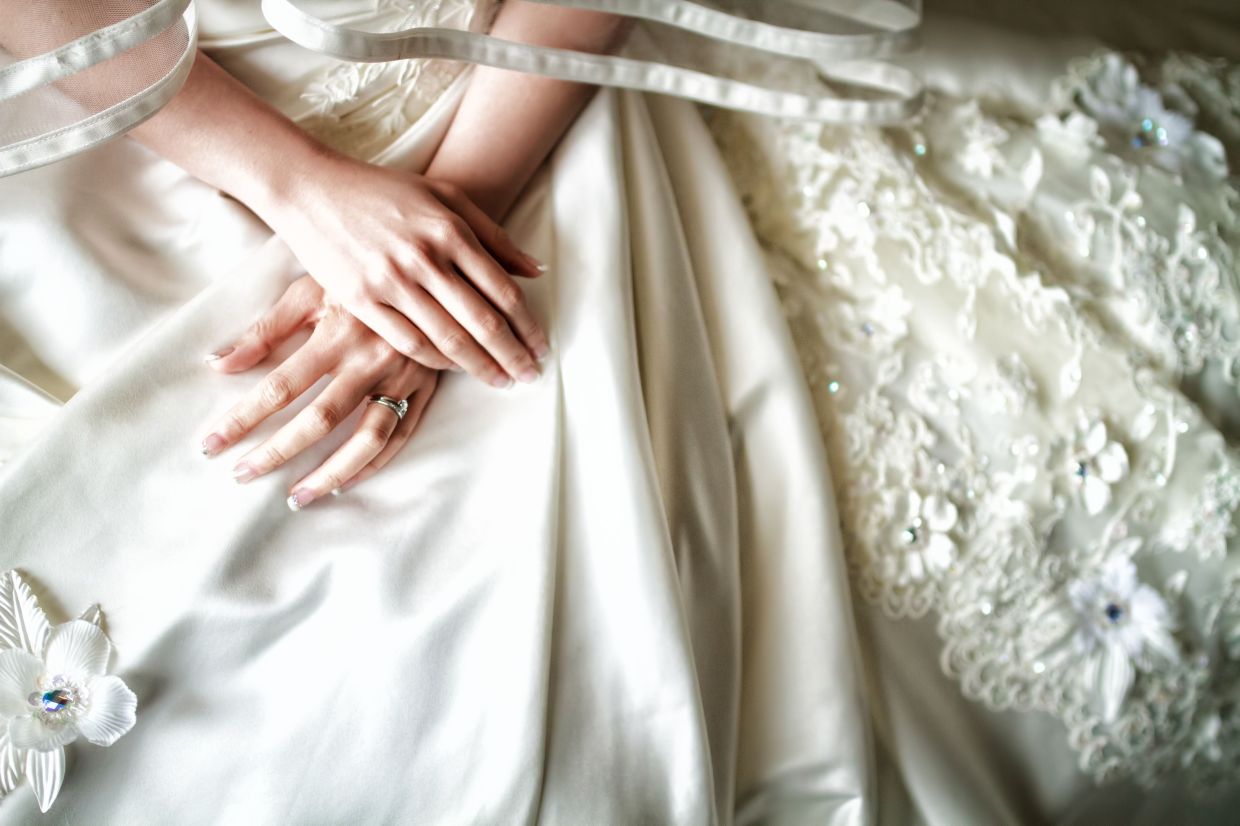
The decision to part with a mother's wedding dress—or any garment layered with family significance—ranks among fashion's most agonising choices. These items transcend their material construction to become something closer to portable time machines, encoding within their fibres the joy, grief, and lived experience of previous generations. Understanding why releasing such possessions proves so psychologically difficult reveals something fundamental about how humans attach meaning to objects, particularly those that have witnessed intimate moments across decades.
Clothing functions as far more than practical covering. Wedding dresses especially embody dual significance: they represent both a singular transformative moment in an individual's life and a tangible connection to an ancestor's past. When you wear your mother's gown, you literally inhabit her history. This phenomenon—attributing human-like qualities and narratives to fashion—has spawned entire academic disciplines and inspired countless memoirs exploring the intersection of textiles and identity. The dress becomes less an item of apparel and more a family relic, a physical manifestation of continuity across generations. Discarding it can feel almost sacrilegious, equivalent to erasing someone's lived experience from the material record.
Yet contemporary life presents practical constraints that earlier generations rarely faced. Modern homes contain finite storage space, and the emotional labour of maintaining inherited garments often exceeds their utility. This tension—between honouring heritage and embracing liberation through decluttering—creates genuine psychological conflict. Cameron Silver, founder of the luxury vintage retailer Decades and an advisor on closet curation, has observed that helping clients navigate this decision requires therapeutic rather than purely sartorial skills. His approach centres not on persuading people to relinquish items prematurely, but rather on encouraging reflection about whether possessions still serve meaningful purposes in their current lives.
Silver proposes three diagnostic questions that cut to the heart of the matter: Does the garment actually fit your body today? Will you realistically wear it again? Most tellingly, how would you genuinely feel if this item disappeared? These questions bypass nostalgic sentiment to examine genuine utility and emotional attachment. The answers often surprise people, revealing the gap between why they think they're keeping something and the actual reasons rooted in guilt, obligation, or unprocessed grief.
For those unable to simply discard inherited dresses, several substantive alternatives exist. Transformation represents one path—reimagining the original garment into a new form while maintaining threads of connection to its provenance. A wedding dress might become an evening coat, christening gown for the next generation, or decorative wall hanging. This approach preserves the material and some essence of the original while releasing it from its initial purpose. However, such modification inevitably severs the dress from its original meaning, and something intangible may be lost in translation.
Donation offers another meaningful avenue. Organisations like Brides Across America connect heritage wedding gowns with engaged military personnel and emergency medical workers who might otherwise lack resources for ceremonial attire. When pursuing this path, preserving the dress's story proves crucial. Emily Spivack, who documents garment histories, advocates attaching written notes about the dress's provenance to the donated item. This practice ensures the next wearer understands not merely the physical object but its accumulated narrative and significance.
Documentation itself constitutes a distinct strategy worth serious consideration. Spivack conducts workshops where participants bring family-significant garments, photograph them, and record their associated stories before potentially parting with the items. This process allows people to feel they've adequately honoured and preserved the memory, creating psychological closure that facilitates letting go. The documented narratives can then circulate among extended family members, democratising access to shared history beyond physical possession of the dress itself.
Academic institutions increasingly recognise the historical and educational value embedded in everyday wedding garments. Universities including Smith College, Drexel University, Ohio State University, and Cornell University now actively collect wedding dresses and related accessories. Unlike traditional museum costume collections prioritising aesthetic or design significance, these institutional acquisitions treat ordinary clothing as primary historical documents. The Fashion + Textile Collection at Cornell maintains nearly 350 wedding gowns among its 11,000 objects, viewing them as teaching tools that illuminate women's lived experiences across different eras.
Cornell's collection includes a 1942 wedding gown created by British dressmaker Cylka Berke for her own wartime wedding in London. This particular dress exemplifies how seemingly ordinary garments encode extraordinary historical information. Berke's construction choices—maximising yardage while minimising waste—reflect the material constraints of wartime rationing. The dress's enduring bright whiteness results from its rayon rather than silk composition, as military authorities requisitioned silk for parachutes, escape maps, and blood chits. The garment thus functions as physical evidence of how fashion innovation persisted even amid global conflict, demonstrating how ritual and beauty continued mattering when circumstances seemed impossibly constrained.
For Malaysian and Southeast Asian families confronting similar decisions about inherited wedding dresses and ceremonial garments, these international examples offer practical roadmaps. Regional institutions and museums might similarly benefit from establishing dedicated collections focusing on traditional and contemporary wedding attire across diverse cultural contexts—whether Malay, Chinese, Indian, or other heritage traditions. Such initiatives would preserve not merely objects but the complex narratives surrounding them, creating archives that future generations could access without requiring individual families to indefinitely maintain physical garments in their homes.
Ultimately, the question of what to do with an inherited wedding dress mirrors broader questions about how to honour our past while remaining unburdened by it. Perfect solutions rarely exist; rather, what matters is pursuing approaches aligned with individual values and circumstances. Whether transformation, donation, documentation, or institutional placement, the goal remains preserving meaning and story while releasing the object itself from serving as the primary vessel for family memory. In this framing, letting go need not constitute forgetting.

