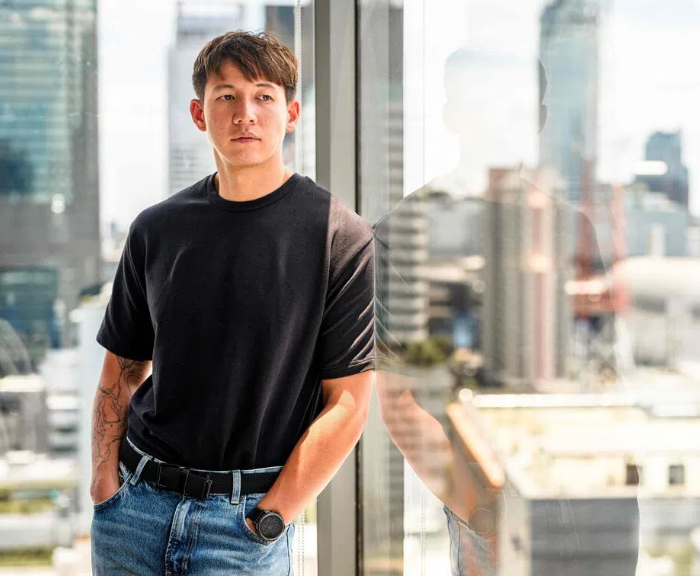
In a significant development within one of Thailand's most prominent business dynasties, Jeeranuch Bhirombhakdi formally withdrew her controversial lawsuit against her son on Wednesday, signalling a potential softening in a bitter family dispute that has captivated public attention. The civil court in Bangkok confirmed the withdrawal, bringing to an abrupt end a legal battle initiated under Thailand's rarely invoked 'ungrateful child' statute. The case had become emblematic of tensions simmering within the Bhirombhakdi family, whose fortune stems from their controlling stake in Singha beer, one of the country's most recognizable brands.
Jeeranuch had filed the suit against Siranudh 'Psi' Scott in February, invoking a legal provision that permits parents to revoke substantial gifts to offspring deemed ungrateful, abusive, or responsible for causing serious harm to family reputation. The mother had sought to reclaim valuable land holdings worth millions of dollars that had been gifted to Siranudh by his late grandfather, arguing that her son's conduct had inflicted reputational damage upon the family. The decision to pursue such litigation was unusual in modern Thailand, where wealthy families typically resolve disputes through private negotiation rather than public court proceedings, underscoring the severity of the underlying conflict.
The turning point came in May when Siranudh made public accusations that he had endured sexual abuse perpetrated by his older brother Sunit and a family babysitter during his childhood. The revelation transformed the narrative substantially—what had appeared initially as a straightforward property dispute between parent and adult child now encompassed serious criminal allegations involving a third family member. Siranudh's disclosure appeared to have prompted reflection within the family circle, potentially influencing Jeeranuch's decision to reconsider her legal strategy and seek reconciliation rather than continued confrontation.
The Bhirombhakdi family represents exceptional wealth concentration in Thailand. According to Forbes, the family ranks as the country's 15th richest with a combined net worth estimated at US$1.75 billion, derived primarily from their substantial holdings in Boonrawd Brewery, the parent company of Singha. As a third-generation member of this business empire, Jeeranuch and her sons occupy positions of considerable public visibility and social prominence. Their family matters, therefore, inevitably attract media scrutiny and broader public interest given their economic influence and the iconic status of their flagship beer brand within Thai society and across Southeast Asia.
Despite the lawsuit's withdrawal, Siranudh made clear that the episode has left lasting scars. Speaking to journalists outside the court, he expressed ambivalence about the outcome, stating that while his mother's legal action would no longer compound his difficulties, the underlying harm remained unresolved. "I cannot claim today is a victory as this case should never have happened," he said, emphasizing that the withdrawal, though welcome, did not constitute vindication or genuine closure. His emotional state reflected the toll that public litigation takes when family relationships fracture along such consequential fault lines, particularly within a context where reputation and social standing carry extraordinary weight.
Jeeranuch's public statement, released on Friday, adopted a conciliatory tone. She expressed willingness to engage in family dialogue predicated on mutual respect and goodwill, signalling openness to healing fractured relationships. Notably, she stated her intention to respect the judicial process regarding the allegations between her sons, and expressed hope that truth and fairness would ultimately emerge. This rhetorical shift represented a marked departure from her earlier posture as plaintiff in the 'ungrateful child' case, suggesting that the mother may be reconsidering her approach to family conflict resolution.
Siranudh's representative, Parnthep Pourpongpan, characterized the case withdrawal as stemming from Jeeranuch's desire to pursue reconciliation and acknowledge the family's internal nature of the dispute. This framing emphasizes that the lawsuit's termination reflects a preference for private resolution rather than judicial determination—a calculation common among wealthy families seeking to minimize reputational exposure. The involvement of supporters gathering outside court with flowers and photographs underscored that the case had transcended mere family affairs to become a matter of public concern and sympathy.
Meanwhile, Sunit, the accused elder brother, has consistently denied the sexual abuse allegations while acknowledging that roughhouse play may have occurred between the siblings during childhood. His denials have carried less weight following corporate consequences: Boonrawd Brewery removed him from his executive position in May following the public disclosure of abuse allegations. This corporate action demonstrated that even denial and qualified acknowledgment cannot insulate executives from professional repercussions when serious criminal allegations emerge in the public domain, regardless of their ultimate legal resolution.
The case illuminates persistent tensions within family-controlled businesses in Thailand and across Southeast Asia, where emotional and financial interdependencies frequently complicate already sensitive interpersonal conflicts. The 'ungrateful child' law itself represents a mechanism grounded in traditional family hierarchy and parental authority, yet its invocation in modern commercial contexts often produces outcomes that appear disproportionate to contemporary sensibilities. Jeeranuch's withdrawal suggests growing recognition that deploying such legal tools against adult children, particularly in circumstances involving serious counterallegations, may undermine rather than protect family cohesion and reputational interests.
Looking forward, the Bhirombhakdi family faces several unresolved questions. The sexual abuse allegations against Sunit remain technically unresolved through formal judicial proceedings, leaving a cloud over the family's public narrative. The withdrawal of the 'ungrateful child' case has cleared away one layer of litigation, yet the underlying trauma and allegations persist. For Malaysian and Southeast Asian observers, the case demonstrates how even extraordinary wealth and business prominence cannot shield families from the destabilizing effects of serious interpersonal conflict and criminal allegations, nor does corporate success necessarily resolve emotional and psychological ruptures within family structures.

