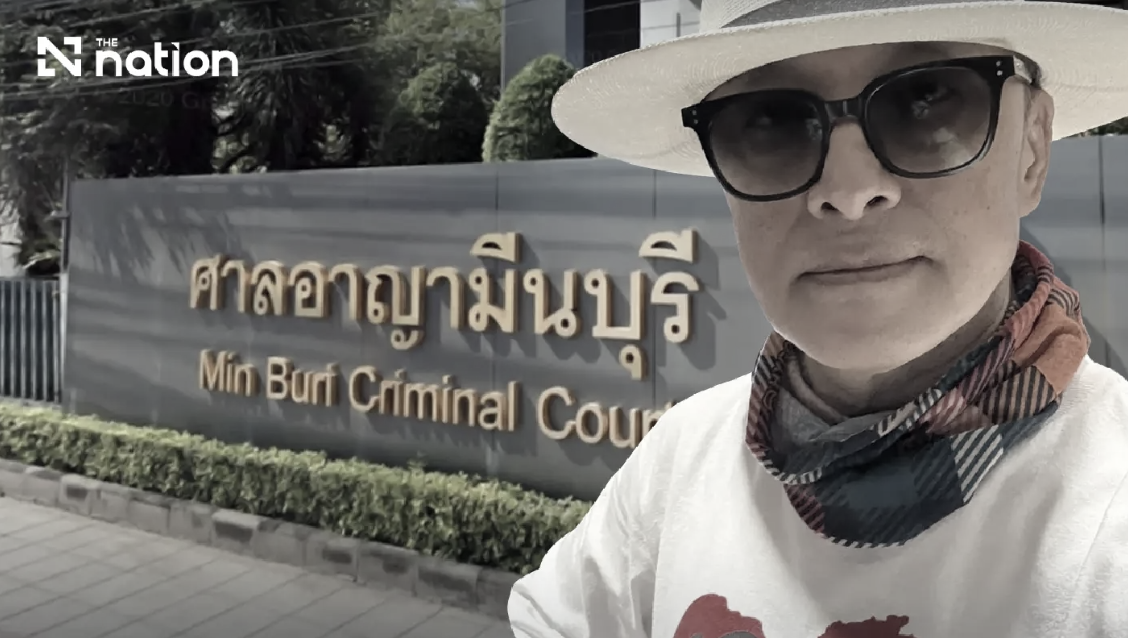
A Thai court has handed down a two-year prison sentence to Manasawin Nantasen, the performer widely known as Tik Shiro, for his role in a fatal drunk-driving incident that claimed two lives in Bangkok. The June 24 verdict marks a notable moment in Thailand's ongoing debate surrounding the treatment of high-profile figures within its criminal justice system, particularly as public sentiment grows increasingly skeptical toward perceived preferential treatment accorded to the wealthy and famous.
Manasawin rose to international recognition throughout the late 1980s and 1990s, building a devoted fanbase through his distinctive stage persona that directly mirrored the aesthetic of American pop superstar Michael Jackson. His trademark fedora hats, leather outfits, and sophisticated choreography became instantly recognizable across Thailand and Southeast Asia, cementing his status as one of the region's most commercially successful entertainers during that era. At 64 years old, he remains a culturally significant figure in Thai entertainment history, having influenced multiple generations of performers who adopted similar stylistic elements.
The October 2024 collision occurred when Manasawin's vehicle struck a stationary motorcycle positioned on a Bangkok bridge. The impact proved catastrophic for the two occupants: a 28-year-old woman died at the scene from injuries sustained in the crash, whilst her 21-year-old brother was forcefully dislodged from the motorcycle and fell from the bridge structure. Medical personnel transported the injured sibling to hospital, where he subsequently succumbed to complications arising from his severe injuries, effectively doubling the tragedy's human toll.
The aftermath created an unexpectedly visible moment of public reckoning when a widely-circulated video captured Manasawin kneeling in apparent grief at the accident scene. This footage circulated extensively throughout Thai social media platforms and news outlets, intensifying national discourse surrounding accountability standards that may apply differently based on celebrity status and social influence. The viral imagery transformed the incident from a regional traffic tragedy into a national talking point about justice and privilege.
The Bangkok criminal court's sentencing acknowledged mitigating circumstances presented during judicial proceedings. Court documentation noted that Manasawin had voluntarily surrendered to authorities and provided testimony deemed beneficial to the prosecution's case construction. Additionally, the defendant's subsequent attendance at the victims' funeral services and his payment of compensation amounts to the affected families demonstrated acknowledgment of responsibility, factors the court weighed against the severity of the offense. Nevertheless, judicial authorities opted to permanently revoke his driving privileges, effectively preventing any future operation of motor vehicles.
This judgment arrives amid parallel developments in Thailand's celebrity legal landscape. On the identical day, rock musician Sek Loso was released from custody following completion of his sentence for drug possession and unregistered firearm charges, having served approximately one year and two months of incarceration. While his release proceeded without controversy, the consecutive high-profile cases renewed examination of whether Thailand's judicial framework applies standards equitably across social strata.
Thailand's historical record regarding celebrity accountability remains decidedly uneven, fueling widespread cynicism among ordinary citizens. The 2012 case involving Vorayuth Yoovidhya, heir to the Red Bull beverage empire, exemplifies this disparity starkly. Yoovidhya allegedly operated his Ferrari at excessive speed through an affluent Bangkok district, fatally striking a police officer who died instantly from injuries sustained during the collision. Despite official investigation, authorities never proceeded with formal charges, leaving the case unresolved and generating persistent public resentment toward perceived favoritism extended to ultra-wealthy defendants.
Another contentious precedent emerged from a 2001 incident wherein the son of former Pheu Thai politician Chalerm Yubamrung allegedly discharged a firearm during an altercation at a crowded Bangkok nightclub, resulting in one man's death. The subsequent trial process ultimately concluded with acquittal, justified through legal findings that evidence presented proved insufficient to establish guilt beyond reasonable doubt. Critics argue that wealth and political connections facilitated a favorable judicial outcome that might not have materialized for defendants lacking comparable resources and influence.
These accumulated precedents establish a troubling pattern within Thai judicial consciousness. When viewed collectively, the Manasawin conviction, combined with historical examples of apparently privileged defendants evading serious consequences, creates tension between the formal appearance of justice and public perception of actual accountability mechanisms. Manasawin's prosecution and imprisonment potentially signal evolving judicial willingness to hold even prominent entertainment figures responsible, yet skeptics note that his sentence remains considerably lighter than maximum penalties available for fatal drunk-driving offenses, potentially perpetuating the impression that celebrity status yields meaningful advantages within courtroom proceedings.
For Malaysian observers and readers across Southeast Asia, the Thai case illuminates broader regional questions regarding how different justice systems calibrate accountability for high-profile defendants. Malaysia's legal framework similarly grapples with comparable challenges, as documented instances of celebrity prosecutions have occasionally generated criticism regarding sentencing disparities or prosecution vigour relative to cases involving ordinary citizens. The Tik Shiro judgment consequently offers a comparative lens through which Southeast Asian nations might examine their own judicial processes, institutional safeguards against bias, and public confidence mechanisms designed to ensure equitable application of law regardless of defendant status or prominence.

