Thailand is preparing to convene two separate informal gatherings of ASEAN Foreign Ministers focused on Myanmar, signalling the regional organisation's determination to maintain diplomatic channels with the Southeast Asian nation amid ongoing political instability. The meetings, scheduled for Sunday in Bangkok, represent a careful diplomatic balancing act as ASEAN attempts to navigate its relationship with a member state experiencing serious internal upheaval while preserving regional unity and established protocols.
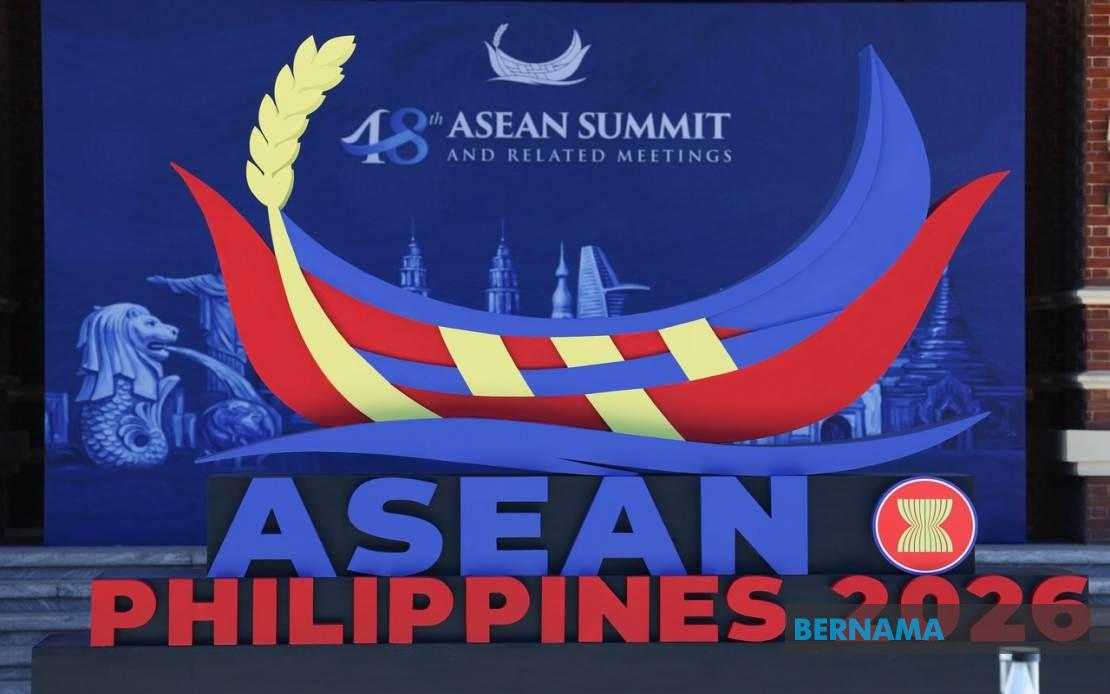
The dual-track approach—comprising an Informal Meeting of ASEAN Foreign Ministers with Myanmar's Foreign Minister alongside an Extended Informal Consultation on Myanmar—demonstrates how ASEAN is attempting to compartmentalise its engagement strategy. Thai Deputy Foreign Ministry Spokesperson Maratee Nalita Andamo explained that the Philippines, holding the ASEAN Chair for the current term, would preside over the discussions, with Thailand providing logistical and diplomatic support as the host nation. This arrangement reflects longstanding ASEAN practice of rotating leadership responsibilities whilst ensuring major decisions enjoy consensus support from influential regional players.
The consultations serve a broader strategic purpose within ASEAN's evolving approach to the Myanmar situation. Officials have stressed that these meetings create space for candid dialogue among foreign ministers, enabling them to assess developments on the ground whilst exploring pathways to strengthen collective regional responses. The emphasis on informal settings—rather than formal ministerial conferences—provides participants with greater flexibility to discuss sensitive topics without the rigid constraints of official protocols or binding resolutions. For Malaysian policymakers and regional observers, such informal mechanisms represent important testing grounds for emerging diplomatic positions before they crystallise into formal ASEAN statements.
Central to these discussions is the implementation of ASEAN's Five-Point Consensus, a framework adopted to guide the bloc's engagement with Myanmar. The consensus, which emerged from earlier high-level consultations, outlines principles for dialogue, humanitarian assistance, and pathways toward political normalisation. By dedicating specific meetings to examining how these principles can be operationalised more effectively, ASEAN signals its commitment to moving beyond rhetorical statements toward tangible diplomatic action. However, the real-world effectiveness of such consensus mechanisms remains contested, particularly given the diverse interests and domestic constraints facing individual member states.
Matts Nalita made explicit that these informal consultations deliberately preserve ASEAN's institutional position and existing decisions regarding Myanmar. This clarification addresses concerns that intensified engagement with Myanmar's government—particularly given the participation of Myanmar's Foreign Minister U Tin Maung Swe—might be interpreted as tacit acceptance of the current political order. The distinction between informal dialogue and official recognition is subtle but crucial for maintaining ASEAN cohesion, especially given divergent views among member states about how firmly to pressure or engage Myanmar's military-led administration.
The expected attendance of high-profile figures, including Philippine Secretary for Foreign Affairs Maria Theresa Lazaro and Thailand's Foreign Minister Sihasak Phuangketkeow, underscores the significance both countries attach to these meetings. For Thailand, hosting such gatherings reinforces its role as a crucial diplomatic hub within Southeast Asia and demonstrates its continued influence within ASEAN decision-making structures. The presence of Myanmar's Foreign Minister provides an opportunity for direct engagement with Myanmar's administration, allowing ASEAN members to communicate concerns, expectations, and potential incentives for policy shifts directly to government representatives.
The decision to forgo an official outcome document reflects ASEAN's preference for maintaining ambiguity and flexibility in its Myanmar diplomacy. Rather than producing binding statements or publicly detailed commitments that could constrain individual members' future actions or antagonise Myanmar's government, the informal consultation format allows for substantive discussions without creating rigid external expectations. This approach has both strengths and weaknesses—it preserves consensus but may also enable avoidance of difficult decisions or accountability mechanisms that could drive actual policy change.
For Malaysia and other Southeast Asian nations, the implications of these meetings extend beyond immediate Myanmar-focused concerns. ASEAN's approach to Myanmar will significantly influence how the bloc responds to other internal crises affecting member states, establishing precedents for when and how the organisation intervenes in members' domestic affairs. The balance between respecting sovereignty and exerting collective pressure on governance issues remains deeply contested within ASEAN, and Myanmar's case provides a crucial testing ground for defining these boundaries moving forward.
The gradual and principled engagement model that Thai officials articulated suggests ASEAN is pursuing a long-term strategy of sustained dialogue rather than confrontation or isolation. This approach acknowledges Myanmar's geographic importance, its role in ASEAN's integration agenda, and the practical difficulties of enforcing sanctions or diplomatic pressure against a determined military government. However, it also reflects frustration with the pace of political change and recognition that previous ASEAN initiatives have yielded limited concrete results in Myanmar's internal political dynamics.
As the meetings proceed, attention will focus on whether participants can identify specific, measurable steps to advance the Five-Point Consensus beyond previous iterations. The finalisation of attendance and representation levels—still being determined—will also signal how seriously different countries prioritise this engagement. Higher-level representation would suggest greater commitment to finding solutions, whilst lower-level attendance might indicate diminishing interest in ASEAN-led initiatives regarding Myanmar. The coming weeks will reveal whether these informal consultations generate renewed momentum for addressing Myanmar's crisis or represent merely procedural steps in an ongoing diplomatic stalemate.

