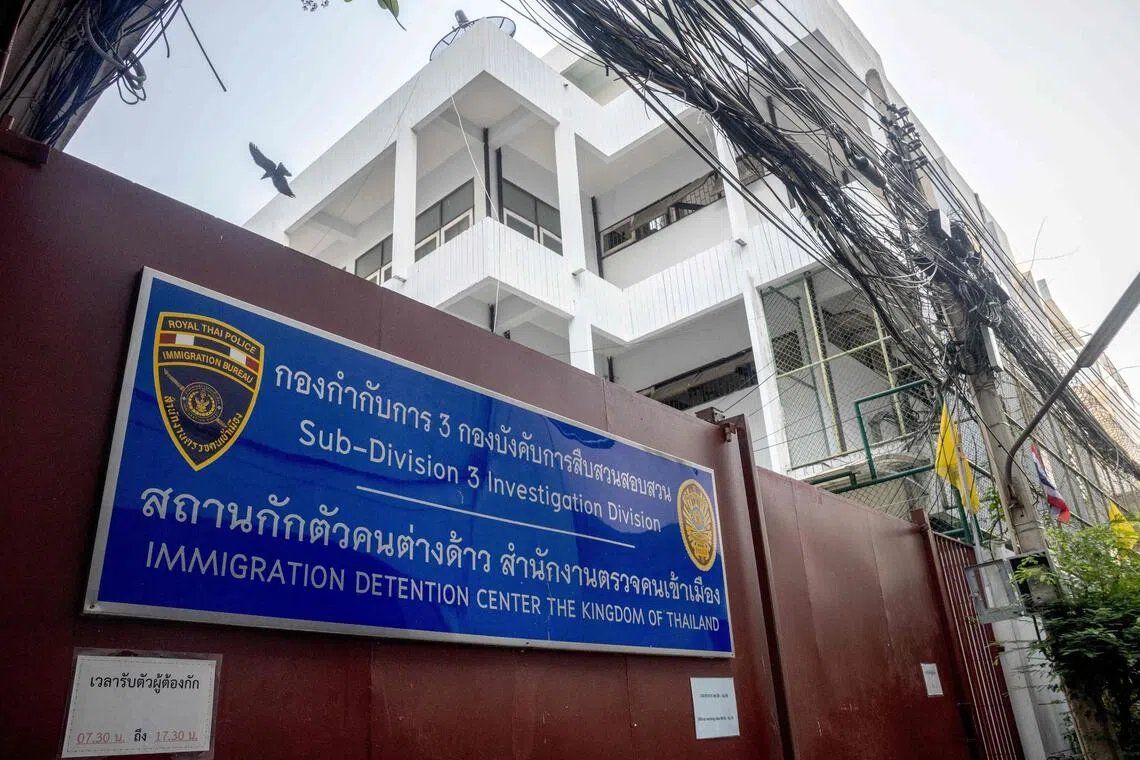
Thailand has formalised a new administrative framework for the deportation of foreign nationals who breach local law or jeopardise public safety. Prime Minister Anutin Charnvirakul signed the Prime Minister's Office Regulation on Deportation B.E. 2569 on August 26, with the measure taking effect two days later after publication in the Royal Gazette. The regulation introduces standardised procedures designed to expedite decision-making and enhance coordination between government agencies tasked with removing non-Thai citizens deemed problematic by authorities.
The regulation reflects Thailand's stated position that while the kingdom welcomes legitimate foreign visitors and residents who come for tourism, work, investment or residential purposes, it will not tolerate those who exploit entry for illegal activities or undermine social stability. The framework acknowledges that some foreigners circumvent immigration laws, work without authorisation, operate unlicensed businesses or engage in other conduct considered incompatible with Thai interests. By centralising deportation authority under the Interior Minister and clarifying procedural requirements, Bangkok aims to eliminate bureaucratic delays that previously complicated the removal process.
The mechanism targets six broad categories of offences, each carrying mandatory consideration for deportation once a foreigner has completed their court-imposed sentence. These include illegal entry or unauthorised residence under immigration statutes, unauthorised employment in breach of foreign worker regulations, unlicensed commercial operations under the Foreign Business Act, forgery of official documents, and any offence attracting a prison term of at least five years. Critically, the regulation also captures individuals who act as instigators or facilitators of such violations, potentially ensnaring business owners, employers or associates who enabled unlawful conduct rather than directly perpetrating it.
The operational architecture delegates initial responsibility to the Interior Ministry's permanent secretary or an authorised delegate, who must report cases involving conduct deemed contrary to public order, morality or public welfare. This reporting obligation extends beyond criminal conviction to encompass administrative assessments of threat level, allowing deportation consideration based on broader behavioural concerns. For Malaysian readers familiar with regional security frameworks, this mechanism mirrors similar approaches adopted across Southeast Asia where governments seek administrative tools to address perceived threats beyond conventional criminal prosecution.
Coordination with Thailand's prison system underpins the regulation's effectiveness. The Department of Corrections must furnish the Interior Ministry with identifying information, nationality details and case records for any foreign inmate at least 15 days before their scheduled release. This advance notice permits preliminary assessment and enables the minister to contemplate issuing deportation orders without procedural delays following sentence completion. Where courts suspend sentences or impose monetary penalties instead of incarceration, the Office of the Judiciary must immediately notify the permanent secretary, ensuring that cases potentially warranting deportation receive timely consideration regardless of sentencing outcome.
The deportation process incorporates humanitarian safeguards reflecting Thailand's international treaty obligations, particularly regarding protection from persecution. The regulation requires officials to account for applicable domestic laws, relevant Cabinet resolutions and Thailand's international commitments when issuing deportation orders. Notably, it permits third countries or international organisations to request custody of a deportee within seven days of the order, provided the requesting jurisdiction assumes all associated costs and can demonstrate legitimate safety concerns, including documented risks of torture, cruel treatment, forced disappearance or violations of human dignity. This provision demonstrates Bangkok's recognition that blanket deportation could inadvertently expose individuals to serious harm in their countries of origin, a consideration increasingly important as human rights scrutiny of deportation practices intensifies globally.
Repatriation procedures accommodate the practical complexities involved in returning foreign nationals to distant homelands. Individuals are normally sent to their country of citizenship; where nationality remains uncertain, authorities may transfer them to the jurisdiction where they reported residing immediately before entering Thailand. The regulation permits extended negotiations, with requesting parties granted an initial 30-day window to arrange transfers, extendable twice for an additional 30 days each. Should arrangements remain incomplete within the 90-day maximum period, standard repatriation procedures commence without further delay. The deportee's written consent is mandatory for any alternative placement arrangement, a requirement that acknowledges individual agency within an otherwise state-directed administrative process.
For Malaysia and other Southeast Asian nations grappling with irregular migration, transnational crime and law enforcement coordination challenges, Thailand's approach offers both instructive elements and cautionary considerations. The framework's emphasis on administrative efficiency addresses genuine operational concerns—delays in removing convicted foreign offenders consume resources and perpetuate security risks. Yet the breadth of conduct triggering deportation consideration, particularly provisions allowing removal based on vague assessments of threat to "public order" or "good morals," potentially exposes the mechanism to inconsistent application or politicised use against targeted foreign communities.
The regulation's treatment of costs illuminates practical implementation questions. Interior Ministry rules approved by the Finance Ministry will govern deportation expenses, though the regulation itself remains silent on whether deportees or their sponsoring countries bear these charges. This ambiguity reflects broader regional tensions regarding responsibility for migrants deemed economically burdensome or security threats. Malaysia, with its substantial population of foreign workers and irregular migrants, faces comparable budgetary pressures when removing non-citizens, making Thailand's administrative solutions worthy of careful examination.
Immediate implications for foreign residents and businesses in Thailand warrant attention. The regulation's effective date of August 28 means that individuals with pending legal matters or those whose conduct authorities deem problematic face heightened deportation risk. Foreign business operators must ensure full compliance with the Foreign Business Act, while employers face accountability not merely for their own conduct but potentially for employees' violations. Insurance and compliance practitioners advising foreign clients will likely recommend comprehensive legal audits to identify exposure under the new framework's broader definitional scope.
The regulation also signals Thailand's determination to reassert administrative control over a growing foreign population in contexts where criminal justice resources appear strained. By creating presumptive deportation pathways for convicted foreign offenders, Bangkok reduces the burden on courts and corrections authorities while demonstrating resolute enforcement to domestic constituencies concerned about foreign crime. This political dimension—linking immigration control to public safety narratives—resonates across Southeast Asia, where anti-migrant sentiment periodically drives policy shifts despite economic dependence on cross-border labour mobility.
For international observers and regional governments, the regulation's humanitarian provisions and procedural formality suggest Thailand's intent to manage deportations within legal frameworks respecting international norms, distinguishing its approach from unilateral expulsion practices occasionally documented in the region. However, the concentration of final authority in the Interior Minister, with disputes resolved through ministerial decision rather than judicial review, potentially creates accountability gaps. Malaysian policymakers considering analogous frameworks should weigh efficiency gains against institutional checks necessary to prevent administrative overreach in contexts where foreign nationality can render individuals politically vulnerable.
The August 28 implementation deadline means the framework is now operational, affecting ongoing and future cases involving foreign nationals with criminal convictions or conduct deemed threatening by Thai authorities. As regional nations intensify immigration enforcement and security cooperation, Thailand's model will likely influence policy discussions across Southeast Asia, making its practical application and evolving jurisprudence essential subjects for legal and policy specialists monitoring transnational migration challenges in the region.

