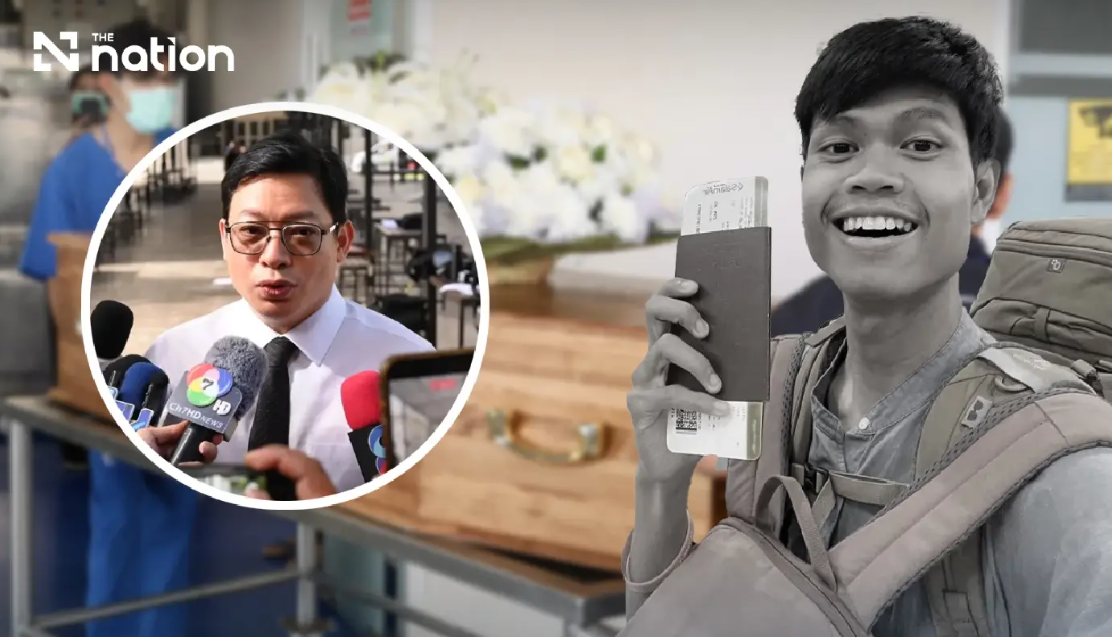
Thai travel vlogger Bawornthat "Hlun Solo" Pengsuk died from heart and circulatory system failure, according to preliminary autopsy findings released Thursday by Thailand's Central Institute of Forensic Science. However, forensic specialists have deliberately stopped short of drawing final conclusions, leaving open the possibility that toxic substances or chemical exposure may have contributed to the death. The cautious assessment reflects the complexity of determining cause of death in cases involving sudden fatality, particularly when examinations occur across international borders and involve different medical systems.
Associate Professor Dr Worawee Waiyawut, deputy director of the Central Institute of Forensic Science under the Ministry of Justice, presented the initial findings after Hlun's body returned from Georgia. The Thai medical team, having reviewed autopsy work already completed by Georgian physicians, found no evidence of physical trauma, bruising, assault, or fractured bones. Remarkably, the heart emerged as the sole organ showing abnormalities, with all other systems appearing normal upon examination. Yet this clean bill of health for non-cardiac organs does not simplify the investigation—if anything, the absence of corroborating pathological findings makes determining the underlying cause more challenging.
The Georgian death certificate provided no specific cause, creating a vacuum of information that has troubled Hlun's family and fuelled uncertainty about what transpired. The family's decision to commission a formal Thai autopsy stems directly from this information gap. Somsak "Mos" Butsri, Hlun's elder brother speaking as family representative, explained that Georgian authorities provided only the death certificate itself, withholding details of their examination findings and revealing only that organ samples and DNA had been retained for unspecified testing. This lack of transparency prompted the family to seek independent verification through Thailand's forensic apparatus.
Laboratory work will now focus on cardiac tissue analysis and investigation of genetic factors that might predispose to sudden cardiac death. Researchers must also investigate whether Hlun died from sudden unexplained nocturnal death syndrome, a phenomenon that has claimed numerous lives in Southeast Asia, particularly Thailand. The extensive testing required represents a significant undertaking, with the Ministry of Justice coordinating information requests to Georgia while awaiting results from multiple laboratory examinations. Completion of the Thai post-mortem procedure was scheduled for Friday, after which the family planned to transport Hlun's body to his native Kalasin province for traditional funeral rites.
The family's particular concern regarding toxic substances reflects both the circumstances of Hlun's death abroad and broader anxieties about the adequacy of Georgian investigations. Somsak emphasised that the family wants findings from both countries compared, especially regarding potential chemical or toxicological involvement. This comparative approach acknowledges that different medical systems may employ varying testing protocols and reach different conclusions based on identical evidence. The family's insistence on thorough toxicology work suggests they harbour suspicions beyond natural cardiac failure, though they have not publicly identified specific substances they suspect.
Significantly, reports circulating online suggesting Hlun died from sudden unexplained nocturnal death have not been confirmed by any official testing. Somsak noted that his younger brother did not routinely discuss health matters with family members, leaving uncertainty about whether he harboured undiagnosed cardiac conditions. The absence of known underlying health problems does not exclude the possibility of undetected structural or electrical cardiac abnormalities—conditions that can remain hidden until they trigger fatal arrhythmias. This medical reality underscores why comprehensive laboratory investigation, including genetic analysis, remains necessary before drawing firm conclusions.
The handling of personal effects adds another layer to the family's frustration with the Georgian investigation. Beyond Hlun's passport, none of his belongings were returned with his body, leaving questions about what happened to his possessions and whether their examination might have yielded relevant clues. This detail, seemingly minor, reflects the broader communication deficit between Georgian authorities and the Pengsuk family that necessitated the Thai autopsy. For a travel vlogger whose work involved constant movement and documentation, the absence of returned personal items raises questions about investigative thoroughness and institutional cooperation across borders.
Hlun's death highlights the vulnerabilities faced by Thai nationals abroad and the challenges families encounter when seeking transparent information from foreign authorities. The case also illustrates gaps in international cooperation around death investigations, where jurisdictional boundaries and language barriers can impede information sharing and delay families' understanding of what befell their relatives. For Malaysian readers and others throughout Southeast Asia, Hlun's situation serves as a cautionary reminder about the importance of travel documentation and emergency contacts, as well as the potential complications arising when medical investigations cross national borders.
The family's demeanour throughout this ordeal has been notably measured. Hlun's grandmother, while naturally grieving, requested only that her grandson be brought home—a sentiment that has resonated across Thailand. Somsak expressed gratitude to Thais who assisted in repatriating his brother, acknowledging the collective support that facilitated Hlun's return. The family has also pledged to exercise legal remedies should evidence emerge of physical assault, indicating they remain alert to the possibility of foul play despite preliminary findings pointing toward natural causes. This balanced approach—honouring the preliminary autopsy findings while maintaining openness to alternative explanations—reflects the family's commitment to uncovering genuine truth about Hlun's death rather than settling prematurely on convenient conclusions.
As toxicology results accumulate and cardiac tissue analysis proceeds, additional clarity should emerge regarding whether Hlun's death resulted from undetected genetic cardiac abnormalities, exposure to toxic substances, or some combination thereof. The comparative examination of Thai and Georgian findings will prove crucial, potentially revealing whether either investigation identified factors the other missed. For the travel vlogging community and those who followed Hlun's online documentation of his journeys, the investigation's outcome carries significance beyond one family's grief—it speaks to questions of safety for digital content creators working internationally and the accessibility of transparent, credible death investigations across different countries.

