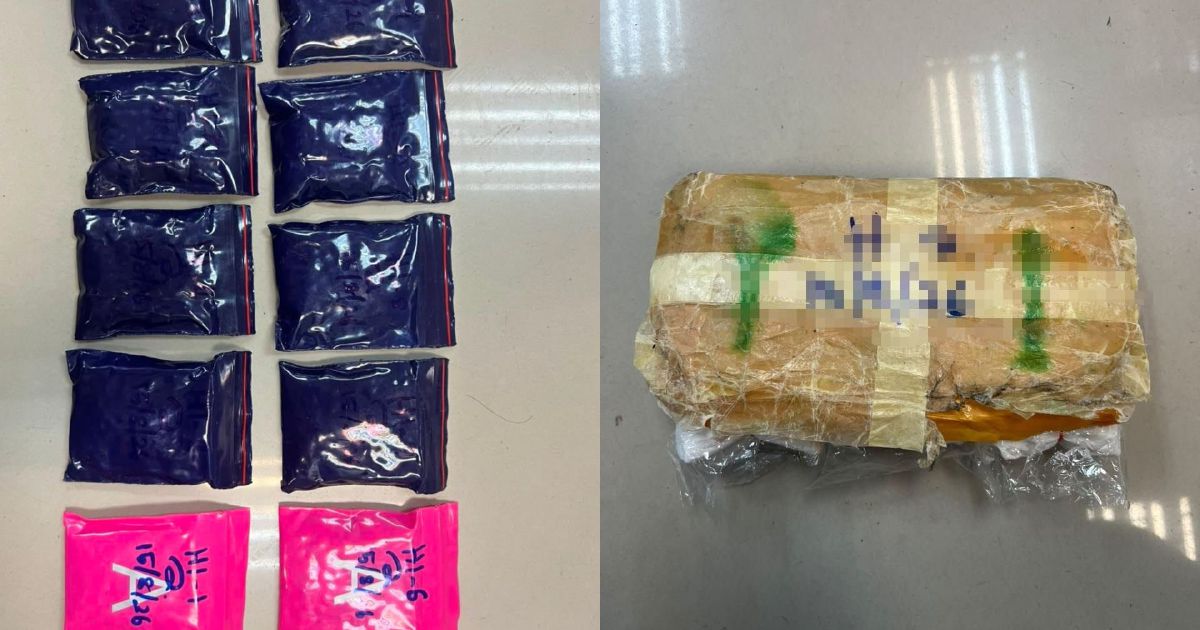
Police in Kelantan have arrested a 45-year-old Thai man following a major drug seizure operation conducted in Pasir Mas, a district situated in the northern part of the state close to the Malaysia-Thailand frontier. The operation, executed in Kampung Rahmat near Rantau Panjang, resulted in the confiscation of 6,000 yaba pills—crystalline methamphetamine tablets commonly smuggled across Southeast Asian borders—with an estimated street value of approximately RM60,000. The bust marks a significant enforcement success in a region historically plagued by transnational drug trafficking networks exploiting the porous border region.
The Pasir Mas district, which sits astride one of Malaysia's most active international borders, has long served as a critical transit point for illicit drugs entering the country from Thailand. The proximity to Rantau Panjang, a border town with multiple crossing points and high commercial traffic, creates logistical advantages for smugglers seeking to move contraband quickly through Malaysian territory. Yaba tablets, which combine methamphetamine with caffeine, have become increasingly prevalent throughout Southeast Asia over the past two decades, particularly in Thailand, Laos, and Myanmar, where clandestine laboratories operate with relative impunity. The drug's compact nature and high potency relative to its weight make it exceptionally attractive to traffickers operating across the region's borderlands.
The arrest represents the ongoing commitment of Malaysian law enforcement to disrupt supply chains originating from neighbouring jurisdictions. Police authorities regularly conduct targeted operations in high-risk areas along the northern border, deploying intelligence-led enforcement strategies to intercept contraband before it penetrates deeper into the country's distribution networks. The seizure of such substantial quantities in a single operation suggests either an attempt to establish a major supply depot in the region or the disruption of a significant consignment destined for wider dissemination through Malaysian drug markets. The timing and location of the bust indicate that border security agencies are maintaining vigilant surveillance despite the challenges posed by vast stretches of difficult terrain and limited resources.
Kelantan has emerged as a critical battleground in Malaysia's broader anti-narcotics efforts. The state's geographic position makes it particularly vulnerable to trafficking operations, with multiple smuggling routes facilitating the movement of drugs from Thailand into Peninsular Malaysia and potentially onward to other regions. Local communities in Pasir Mas and surrounding towns have increasingly reported concerns about methamphetamine availability, reflecting the broader epidemic of stimulant abuse sweeping across the region. The problem extends beyond simple consumption; methamphetamine trafficking generates violence, territorial disputes among criminal organisations, and destabilises communities already grappling with limited economic opportunities.
The valuation of RM60,000 for the seized yaba pills underscores the substantial profit margins driving transnational trafficking networks. Despite significant enforcement risks and potential penalties, the economics of the drug trade remain compelling for criminal syndicates operating in the Thailand-Malaysia border zone. These organisations typically employ compartmentalised structures in which lower-level couriers like the arrested individual bear disproportionate legal jeopardy while enabling higher-ranking operatives to remain insulated from direct investigation. The 45-year-old suspect's nationality is also noteworthy; Thai nationals frequently serve as foot soldiers in trafficking operations, either coerced through debt arrangements or acting as independent contractors seeking quick profits.
Border communities and authorities throughout Kelantan face mounting pressure to contain methamphetamine proliferation whilst simultaneously preserving legitimate cross-border commerce and cultural exchange. Thailand and Malaysia maintain substantial trade relationships, and legitimate traffic across the Rantau Panjang checkpoint and other crossing points remains essential to regional economic integration. Law enforcement consequently must calibrate enforcement intensity carefully, distinguishing genuine trafficking operations from innocent commercial activity. The challenge intensifies given that sophisticated smugglers increasingly employ deceptive techniques, concealment methods, and logistical innovations to evade detection at official checkpoints.
The seized yaba pills, had they successfully reached street-level distribution networks, would have compromised the wellbeing of hundreds of users throughout Kelantan and potentially other Malaysian states. Methamphetamine consumption carries significant public health implications, including addiction, psychological deterioration, cardiovascular complications, and elevated violence and crime. Treatment and rehabilitation services across Malaysia remain stretched by surging demand from stimulant-dependent individuals, placing additional burdens on already-constrained healthcare systems. Prevention and enforcement efforts must therefore be understood not merely as criminal justice interventions but as essential public health measures.
The operation also highlights the crucial role of community intelligence and inter-agency coordination in combating drug trafficking. Police effectiveness at borders depends substantially upon cooperation with customs authorities, immigration agencies, and local intelligence networks capable of identifying suspicious movements and suspicious individuals. The recent success in Pasir Mas likely reflects weeks or months of groundwork, surveillance, and information-gathering preceding the actual arrest. Sustained investment in such preventive intelligence work, combined with adequate resourcing of border enforcement personnel, remains essential to maintaining pressure against trafficking networks that continuously adapt their routes and methodologies.
Moving forward, sustained enforcement, community engagement, and regional cooperation will prove essential to managing the yaba trafficking challenge along Malaysia's northern border. The arrested Thai national now enters the criminal justice system, where he will face charges carrying substantial prison sentences under Malaysia's strict drug laws. However, his prosecution represents merely a single data point in an ongoing struggle against trafficking organisations that retain substantial reserves of manpower, capital, and organisational sophistication. Authorities acknowledge that sustainable solutions require not only law enforcement but also economic development initiatives addressing the poverty and limited opportunities that render border communities vulnerable to criminal infiltration.

