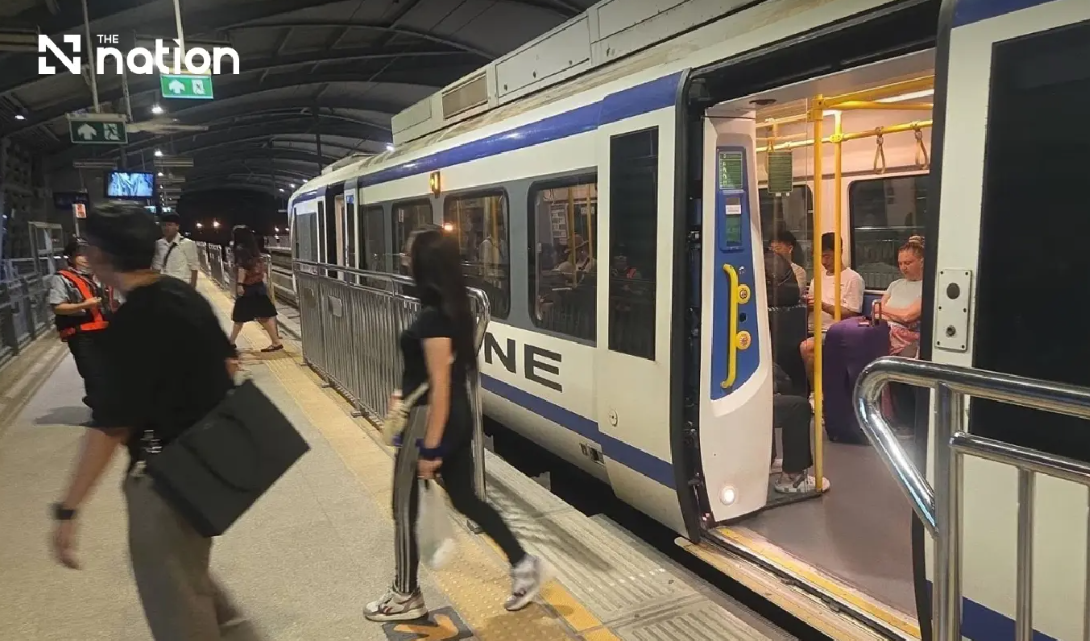
Bangkok's Airport Rail Link returned to normal operations at 10.07pm on Wednesday, July 22, following the successful resolution of a technical fault that had interrupted service for most of the day. The State Railway of Thailand (SRT), working alongside SRT Electrified Train Company and Asia Era One, managed to restore connectivity between Phaya Thai and Suvarnabhumi stations after specialists completed repairs to a critical piece of track infrastructure at the Khlong Tan maintenance depot. The incident underscores the importance of rapid response protocols for a transport system that handles thousands of commuters and airport-bound passengers daily.
The root cause of the disruption centred on a faulty track switch located at the turnback point within the maintenance facility. This component is essential for enabling trains to reverse direction and resume service on the Airport Rail Link's main route. Engineers worked methodically throughout the day to diagnose and address the problem, supported by a coordinated effort involving specialists from both government rail agencies and private operators. In addition to repairing the switch itself, teams had to clear an obstructed train that was blocking access to critical sections of the system, a secondary complication that extended the overall recovery time.
SRT governor Anan Phonimdeang confirmed that the railway received explicit instructions from the deputy transport minister to prioritise restoring service across the network and to engage all available agencies in the effort. This top-level directive reflected the significance of the Airport Rail Link to Thailand's transport infrastructure and economy. The line serves as a vital connection for international and domestic travellers, and any prolonged disruption creates ripple effects across Bangkok's congested road network and affects passenger confidence in rail-based alternatives to driving.
The mobilisation of technical resources was substantial. Specialists from state-owned and private companies were deployed throughout the day to work on the fault, demonstrating the collaborative approach necessary to manage a complex, hybrid-operated transport system. Such coordination is increasingly common in Southeast Asian transport networks, where government and private entities share operational responsibilities. The rapid restoration by late evening suggests that the workforce was well-trained and that contingency procedures, while tested under pressure, proved adequate for this particular crisis.
Yet the incident has prompted a broader assessment of system vulnerabilities. Asia Era One, the operator managing daily services, announced plans to conduct a comprehensive technical investigation to pinpoint the underlying cause of the track switch failure. This is a prudent step, as understanding whether the fault resulted from mechanical wear, manufacturing defect, or maintenance oversight will inform future preventive strategies. The operator has committed to replacing the entire switch assembly at the depot's turnback point rather than simply repairing it, suggesting a preference for eliminating risk through modernisation rather than relying on patch-work solutions.
Beyond immediate repairs, Asia Era One is evaluating potential vulnerabilities at other locations throughout the network that may be prone to similar failures. This proactive approach reflects international best practices in rail safety management, where single-point failures are identified and mitigated before they cause service disruption. The operator is also reviewing its contingency timetable and backup operating procedures to minimise the impact of any future incidents on passenger services. Such operational hardening is essential for maintaining public trust in automated rail systems, particularly in a competitive transport market where road-based alternatives remain readily available.
The Airport Rail Link operates under a tight daily schedule, running from 5.30am to midnight, with six trains in regular circulation and two additional trains deployed during peak-demand periods. This compressed operating window, common in Asian urban rail networks, leaves little room for recovery if disruptions occur during business hours. The Wednesday incident unfolded during evening peak traffic, amplifying its impact on commuters and travellers. The system's limited recovery capacity underscores why rapid diagnosis and repair protocols are so critical to the operator's service reliability credentials.
Operators emphasised that despite the disruption, passenger safety was never compromised at any point during the incident. This reassurance is important given the public's heightened sensitivity to rail system failures, particularly following high-profile accidents elsewhere in Asia. The fact that no safety margins were breached during the fault and its resolution demonstrates that the system's protective mechanisms functioned as designed, even when primary components malfunctioned.
For Malaysian observers, the incident offers relevant lessons about managing complex transport infrastructure in a tropical, densely populated urban environment. Bangkok's Airport Rail Link shares characteristics with proposed and existing rail projects across Southeast Asia, including reliance on private operational partners, integration with broader metro networks, and pressure to maintain high service standards despite occasional equipment failures. The speed with which Thai authorities mobilised resources and restored service—deploying both state and private specialists within hours—reflects a level of institutional coordination that many regional transport authorities aspire to achieve.
The broader context is that Thailand's aviation sector depends heavily on reliable ground transport to and from Suvarnabhumi Airport, one of Southeast Asia's busiest hubs. Any disruption to the Airport Rail Link forces passengers onto congested expressways or more expensive taxi services, ultimately damaging Thailand's reputation as a tourist destination and complicating business travel. By acting decisively to restore service and committing to systematic improvements, the Thai transport authorities have signalled their understanding of these high stakes.
Looking ahead, the detailed technical investigation and planned infrastructure upgrades should provide Asia Era One and the SRT with better visibility into future risks. The commitment to review contingency operations and assess system-wide vulnerabilities indicates that Wednesday's disruption, while inconvenient, may ultimately strengthen the network's resilience. For regular commuters and the thousands of daily airport passengers, the restoration of reliable service and the operator's demonstrated commitment to continuous improvement offer modest reassurance that their transportation needs will be treated as a priority.

