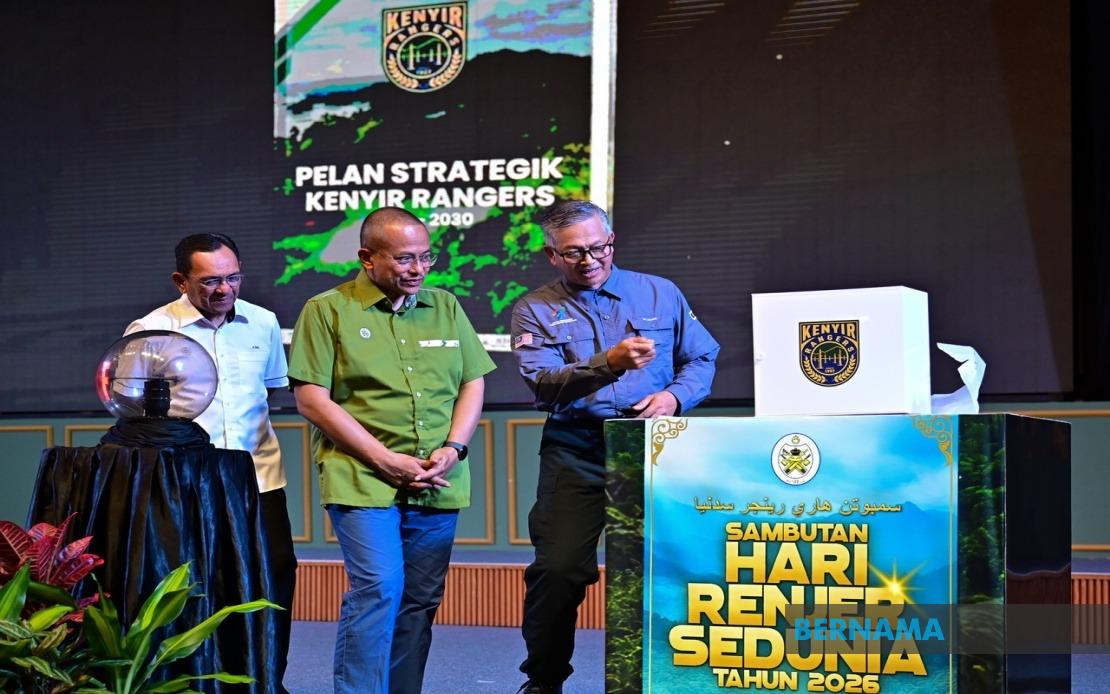
Terengganu Menteri Besar Datuk Seri Dr Ahmad Samsuri Mokhtar has emphasized the urgent need for enhanced collaboration between government bodies to mitigate the growing threat posed by human-wildlife encounters, particularly those involving elephant herds traversing highways and expressways across the state. Speaking at the state-level World Ranger Day 2026 celebration held at Wisma Darul Iman in Kuala Terengganu, Ahmad Samsuri underscored that addressing this complex issue demands a multifaceted approach involving sustained dialogue and coordinated action among all stakeholders responsible for wildlife management and road safety.
The menteri besar specifically identified the Wildlife and National Parks Department and the Malaysian Highway Authority as crucial partners in developing an integrated strategy to reduce dangerous encounters between motorists and wild animals. His call for closer coordination reflects growing concerns about the frequency and severity of incidents occurring on major transportation corridors, where the concentration of vehicle traffic creates overlapping zones of human activity and wildlife movement. Without meaningful cooperation among these agencies, Ahmad Samsuri suggested, the state faces continued challenges in protecting both animal populations and road users from preventable tragedies.
Among the practical measures being explored is the deployment of enhanced patrol operations at identified wildlife crossing hotspots, particularly during periods when animal movements are most likely. The menteri besar acknowledged that the sheer length of highways stretching across Terengganu presents logistical challenges for comprehensive monitoring. However, he argued that strategic positioning of patrols at known conflict zones—areas where historical data and ranger observations indicate regular elephant movements or other wildlife activity—represents a cost-effective starting point for improving early detection and response capabilities.
Electric fencing along wildlife corridors and habitat boundaries emerged as another potential solution under consideration, though Ahmad Samsuri recognized the substantial financial implications of implementing such measures comprehensively across the state's extensive road network. Rather than pursuing blanket installation, authorities are contemplating targeted placement of electric fencing in critical stretches adjacent to known wildlife habitats and migration routes. This selective approach would concentrate resources where they are most likely to prevent encounters while remaining financially viable for state and federal budgets.
Technology is expected to play an increasingly central role in mitigating future incidents. Ahmad Samsuri referenced early warning systems capable of detecting wildlife movements and alerting highway users in real time, suggesting such innovations warrant serious consideration as long-term preventive measures. These systems could potentially identify elephant herds or other large animals approaching roadways and trigger alerts to motorists before dangerous encounters occur, fundamentally changing how highway users navigate areas known for wildlife activity.
The menteri besar's remarks were prompted by a particularly serious incident that unfolded on August 5, when a Toyota Estima carrying a husband and wife collided with a herd of elephants on the East Coast Expressway 2 at kilometer marker 274.6, located shortly after the Cheneh Toll Plaza heading toward Kuala Terengganu. The accident resulted in injuries to both occupants and served as a stark reminder of the dual risks inherent in human-wildlife coexistence along modern transportation corridors. Ahmad Samsuri characterized the incident as a tragedy that underscores the vulnerability of both animal and human life when populations overlap in uncontrolled environments.
The recent East Coast Expressway 2 collision has intensified scrutiny of highway safety protocols during seasons when wildlife behavior becomes less predictable. Ahmad Samsuri emphasized that rainy periods warrant particularly heightened vigilance, as increased precipitation drives animals away from their normal habitats in search of shelter and alternative water sources. During these months, elephant movements toward road corridors become more frequent and less predictable, creating elevated risk windows for collision incidents. Strengthening highway patrols specifically during monsoon periods could meaningfully reduce accident frequency without requiring year-round resource commitments.
The incident also highlighted a tragic dimension often overlooked in discussions of human-wildlife conflict: the impact on wild elephant populations increasingly hemmed in by human development. As highway networks expand and communities encroach on traditional wildlife corridors, elephants face limited options for safe movement between habitat areas. The death or injury of animals in highway collisions removes individuals from already-stressed populations, a concern that conservation advocates increasingly emphasize alongside the legitimate safety concerns of road users.
Ahmad Samsuri's acknowledgment that both animal and human lives carry equal moral weight reflects an evolving perspective in Malaysian wildlife management. Rather than viewing wildlife solely as obstacles to be eliminated or excluded, authorities are beginning to recognize that coexistence requires systematic approaches accommodating the needs of both populations. This philosophical shift, while not universally embraced, signals growing recognition that short-term culling or exclusion measures fail to address the underlying structural problems created when highways bisect ecosystems.
The World Ranger Day 2026 platform used to announce these concerns is particularly significant, given the central role wildlife rangers play in frontline conflict mitigation. Rangers working for the Wildlife and National Parks Department gather crucial data on animal movements, identify emerging conflict hotspots, and respond to emergency incidents. Elevating ranger perspectives and experiences within policy discussions about conflict reduction acknowledges their irreplaceable role in any successful mitigation strategy.
For Malaysian motorists, particularly those traversing highways in Terengganu and other states with significant wildlife populations, these discussions carry immediate practical implications. Enhanced patrols and early warning systems could make travel safer, while improved understanding of seasonal risk patterns allows drivers to adjust behavior accordingly. The menteri besar's public commitment to addressing the issue signals that wildlife-related highway safety is now receiving serious political attention, potentially catalyzing faster implementation of protective measures.
The path forward requires sustained commitment from multiple government agencies, adequate budget allocations, and recognition that effective wildlife management along highways represents not a luxury but an essential infrastructure safety requirement. As Terengganu and other Malaysian states continue developing transportation networks through areas inhabited by endangered species, the mechanisms for preventing human-wildlife conflict will increasingly determine both ecological sustainability and public safety outcomes.

