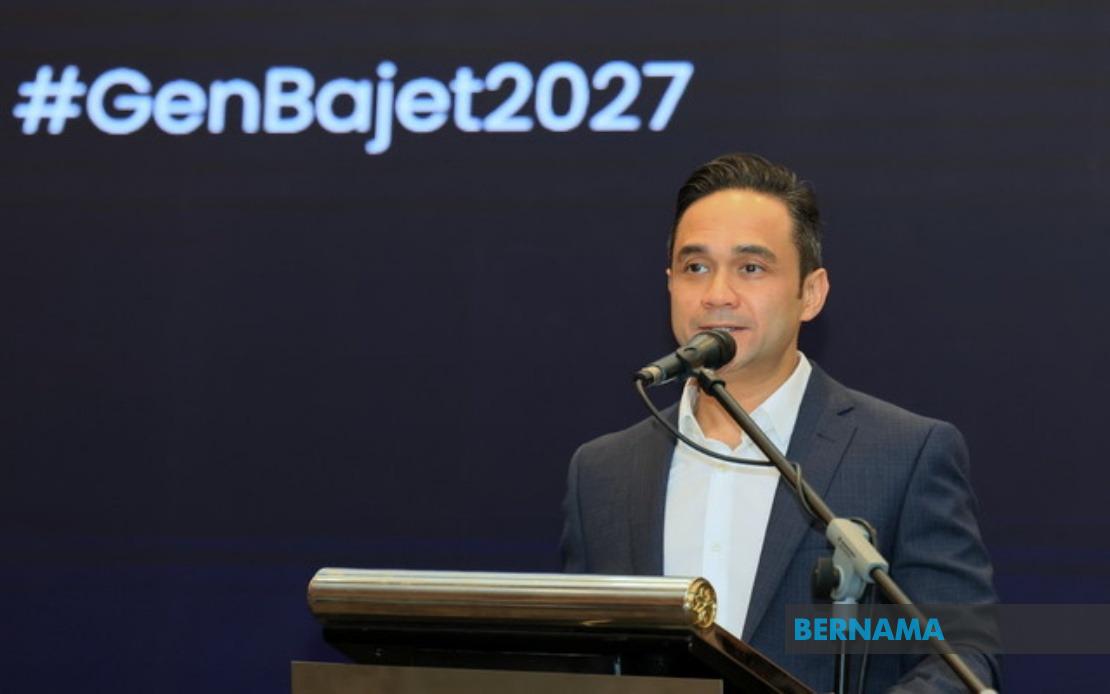
The Bumiputera Agenda Steering Unit (TERAJU) is making a critical pitch to policymakers ahead of Budget 2027, urging lawmakers to allocate substantial resources toward implementing the Bumiputera Economic Transformation Plan 2035 (PuTERA35). Speaking in Cyberjaya, Nik Nazree Nik Abdul Rahman, senior director of TERAJU's Strategic Services Division, emphasised that without adequate budgetary support, the ambitious long-term initiative will struggle to deliver the transformative outcomes envisioned for Malaysia's Bumiputera community.
At the heart of TERAJU's appeal lies a comprehensive framework spanning a decade. PuTERA35, officially launched on August 19, 2024, represents the government's most extensive strategy yet to reshape Bumiputera participation in the economy. The plan encompasses 132 distinct initiatives organised across three strategic pillars and twelve operational drivers, all designed to enhance Bumiputera ownership, control, and participation in economic sectors aligned with the broader MADANI Economy vision. This structural complexity underscores why funding—both adequate and sustained—becomes indispensable for translating policy into measurable results.
Nik Nazree underscored that these 132 initiatives are not peripheral projects but core mechanisms for advancing socio-economic development within the Bumiputera community. Each initiative carries specific objectives and targets running through to 2030 and beyond, collectively working toward the overarching 2035 milestone. The ambition is granular: strengthening individual enterprises, improving household incomes, expanding access to capital, and diversifying Bumiputera participation across high-growth sectors. Without corresponding budget allocations, these initiatives remain conceptual rather than catalytic.
One particularly promising area flagged by TERAJU leadership is the energy transition sector. Nik Nazree identified this as a frontier offering substantial opportunities for Bumiputera enterprises to establish footholds in renewable energy, grid modernisation, and allied industries. As Southeast Asia accelerates its shift toward cleaner energy systems, positioning Bumiputera businesses as credible participants could yield both immediate economic gains and long-term competitive advantages. However, entering these capital-intensive sectors requires not merely policy support but tangible financial backing.
Beyond sectoral opportunities, TERAJU has identified critical gaps in existing support mechanisms. The organisation has flagged the capital market as an area where Bumiputera enterprise development remains substantially underdeveloped. Access to equity financing, bond issuance platforms, and structured investment vehicles remains constrained for many Bumiputera-led businesses. Closing this gap demands coordinated effort across government budgets, regulatory frameworks, and financial institutions—efforts that require dedicated funding to catalyse real change. Nik Nazree explicitly called for capital market initiatives to receive budgetary priority, signalling that traditional small-business grants alone are insufficient.
Currently, TERAJU reports that PuTERA35 implementation has achieved 67 per cent progress. This metric, however, conceals a more nuanced challenge: whether measurable implementation translates into genuine economic outcomes. The gap between activity and impact represents a critical tension in long-term development planning. Completing 67 per cent of planned activities is meaningless if those activities fail to meaningfully strengthen Bumiputera enterprises or demonstrably improve living standards. This distinction will shape how policymakers evaluate future funding requests.
Monitoring and accountability structures already exist within the implementation framework. TERAJU operates through working committees and reports to the Bumiputera Economic Council, chaired directly by Prime Minister Datuk Seri Anwar Ibrahim. This high-level governance architecture reflects the initiative's political centrality to the ruling administration. At year-end, TERAJU will release a comprehensive performance report assessing two years of implementation outcomes, providing empirical evidence to inform Budget 2027 discussions. This report carries weight not merely as an internal assessment but as documentation of whether structural frameworks are delivering promised results.
The timing of TERAJU's Budget 2027 appeal matters considerably. Malaysia faces competing fiscal priorities—infrastructure maintenance, social safety nets, debt servicing, and emerging sectors like artificial intelligence and advanced manufacturing all clamour for resources. Within this crowded landscape, programmes targeting specific demographic groups must demonstrate clear returns on investment. For Bumiputera-focused initiatives, this means articulating not merely aspirational goals but quantifiable metrics: how many enterprises will graduate to mid-market status, how many jobs will be created, what percentage increases in ownership are realistic within the 2027-2030 window.
The PuTERA35 framework explicitly aligns with the MADANI Economy agenda, which Prime Minister Anwar Ibrahim has positioned as Malaysia's development philosophy for this decade. This alignment provides political tailwind for budget advocates. Yet alignment with headline policy does not guarantee funding allocation—bureaucratic and fiscal realities often diverge from policy rhetoric. TERAJU's challenge involves translating conceptual alignment into concrete line-item budget recommendations with measurable performance indicators.
For Malaysian businesses and investors monitoring government priorities, TERAJU's Budget 2027 campaign signals serious intent to resource Bumiputera economic development. Businesses engaged in energy transition, capital-market-linked activities, or sectors covered under the 132 initiatives may see enhanced support if TERAJU's advocacy succeeds. However, the outcome remains uncertain; Budget 2027 will ultimately reflect political calculations, fiscal constraints, and competition from other ministries and programmes seeking public resources.
The broader regional context adds another dimension. Southeast Asian governments increasingly compete for foreign investment and talent, with Bumiputera-targeted initiatives framed partly as mechanisms for ensuring inclusive growth that maintains social stability. How robustly Malaysia funds PuTERA35 will influence perceptions of the government's commitment to inclusive economic architecture—a factor relevant not merely domestically but for regional business confidence and investment flows.

