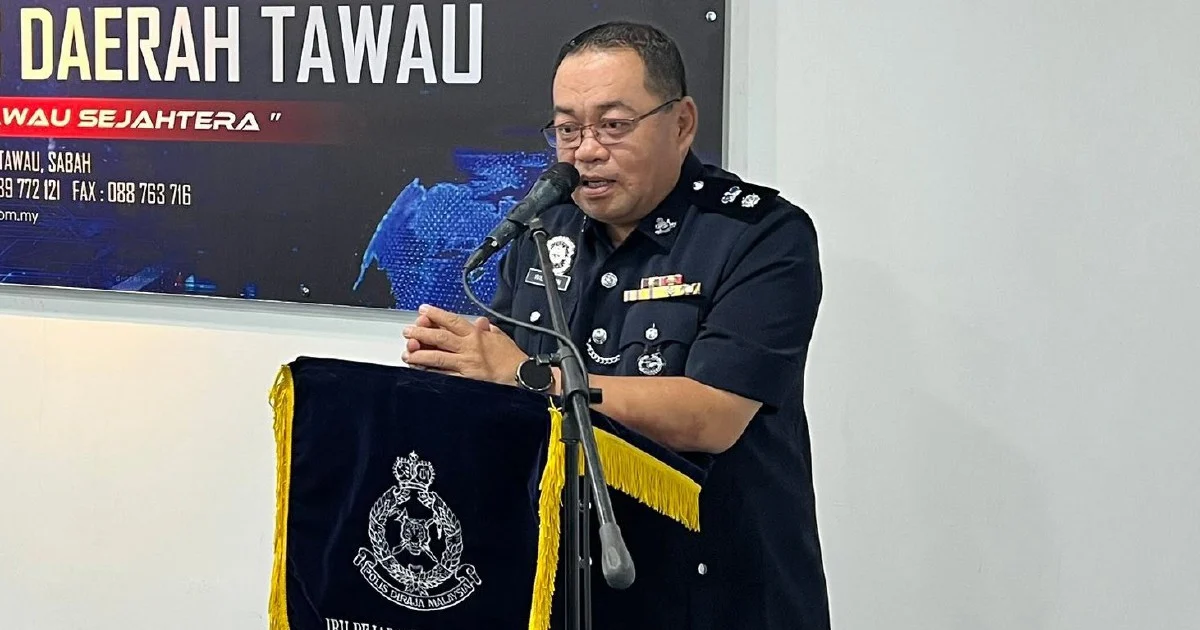
Authorities in Tawau have made significant headway in a case of gang violence that unfolded in the Merotai Besar area when police detained 10 teenage boys suspected of being involved in the assault of a fellow student. The incident, which occurred last week, targeted a young man who was making his way to attend Friday prayers at a local mosque, highlighting emerging concerns about street violence among Sabah's youth population.
The timing of the attack is particularly troubling, as it took place during the Islamic holy day when communities are traditionally gathering for congregational worship. The victim was reportedly going about his peaceful religious obligations when he encountered the group of teenagers, an encounter that would leave him injured and raise alarm bells within the Tawau community about the safety of residents in what should be secure public spaces.
This case reflects a broader pattern of youth-related violence that has been documented across various towns and cities throughout Sabah and the wider region. Gang-related incidents involving teenagers have become increasingly prevalent, prompting law enforcement agencies to intensify their efforts in community policing and youth intervention programmes. The Tawau police force's swift response in apprehending multiple suspects suggests a coordinated investigative approach designed to dismantle organised youth networks before further incidents occur.
The circumstances surrounding the assault remain under active investigation, with police working to establish the precise sequence of events that led to the attack. Determining whether the incident was motivated by territorial disputes, personal grievances, or other factors will be crucial in understanding the social dynamics at play and in crafting appropriate rehabilitative responses for the accused teenagers. Such context is essential for authorities to address the root causes of youth violence rather than merely addressing symptoms.
For Malaysian observers particularly in Sabah and nearby states, this incident underscores the vulnerability of young people who find themselves caught between peer pressure, social marginalisation, and limited legitimate opportunities for engagement. The concentration of multiple teenage suspects in a single incident suggests a degree of organisation and group identity that distinguishes this from isolated acts of juvenile delinquency. Understanding what binds these young people together and what grievances or circumstances motivated their alleged participation will be vital.
The detention of all 10 suspects simultaneously indicates that police believe they can establish concrete links between the individuals and the alleged crime. The investigative process will likely involve witness statements, possible forensic evidence, and confessions from those taken into custody. How authorities proceed with charges and whether they differentiate between individuals based on their roles in the assault will have significant implications for the legal outcomes and the message sent to other young people in the community.
From a community safety perspective, residents of Tawau and surrounding areas will be watching closely to see whether this case results in meaningful consequences and whether it prompts a broader reassessment of youth programmes and preventative measures. Parents, educators, and community leaders will want assurance that the incident has been thoroughly addressed and that steps are being taken to prevent similar occurrences. The police response must balance swift justice with fair treatment of the accused, many of whom may themselves be products of difficult circumstances.
The case also raises questions about the supervision and guidance available to teenagers in Tawau. Whether these young men had access to adequate education, employment opportunities, or mentorship from trusted adults is worth considering as part of any comprehensive response. Prevention of youth violence requires engagement from multiple stakeholders including schools, religious institutions, family structures, and local government bodies working in concert with law enforcement.
Moving forward, this incident will likely feature prominently in discussions about youth welfare in Sabah. The detention of the 10 suspects represents an important intervention, but the long-term impact will depend on how the criminal justice system handles their cases and whether rehabilitative measures accompany any punitive responses. For the victim, recovery both physical and psychological will be an ongoing process that may require support from community resources and social services.
Police investigations continue as authorities compile evidence and conduct interviews with the detained teenagers. The public will await further updates as the case progresses through the legal system, and the incident will serve as a sobering reminder of the challenges that law enforcement faces in maintaining order and protecting vulnerable community members in towns like Tawau. How authorities respond to this case will likely influence youth perceptions of justice and law enforcement in the region for years to come.

