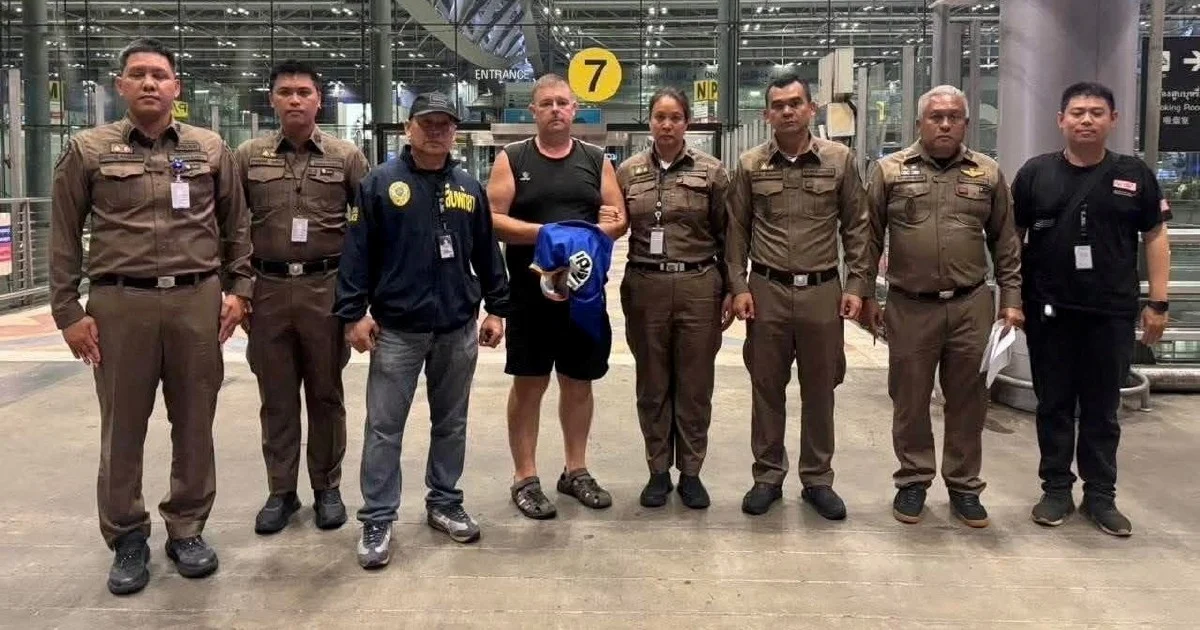
A Thai family is reeling from grief following the death of their 17-year-old daughter, whose body was found concealed in a suitcase in the resort city of Pattaya. The discovery has shocked the family and touched off a significant criminal investigation in the coastal province, where an Australian national has been apprehended in connection with the tragedy and now faces a murder charge in Thai courts.
The circumstances surrounding the discovery of the teenager's remains have raised troubling questions about security and protection for vulnerable individuals in Thailand's tourist destinations. Pattaya, long a magnet for international visitors, has occasionally been associated with criminal activities that exploit both locals and foreigners alike. The involvement of an Australian accused in such a serious crime underscores the complex legal terrain that emerges when transnational offences occur within Thailand's borders.
For the bereaved family members, the shock and emotional devastation of losing a young life in such brutal circumstances is compounded by the public nature of the case and the international dimensions it entails. Such tragedies ripple through community networks and raise broader concerns about personal safety in areas that depend heavily on tourism revenue. The family's grief reflects not only their personal loss but also the wider anxieties that can surface when violent crimes receive media attention.
The arrest of the Australian suspect represents the early stages of what will likely be a protracted legal process within Thailand's criminal justice system. Thai authorities have demonstrated investigative capacity in pursuing murder charges where evidence merits prosecution. International cases involving foreign nationals present additional complexities, including potential consular involvement, questions of jurisdiction, and the coordination between Thai and Australian legal frameworks. The accused will be processed through Thai courts, where the burden of proof and procedures differ from common law systems like Australia's.
This incident intersects with broader regional discussions about safety standards and crime prevention in Southeast Asian tourist hubs. Malaysia, with its own significant tourism industry and cosmopolitan cities, remains watchful of how neighbouring jurisdictions handle serious crimes involving visitors and residents. The case also touches upon questions surrounding the vulnerability of young people in areas where transient populations create situations that can enable predatory behaviour.
The investigation's progression will likely involve Thai police and potentially Interpol or other international law enforcement bodies, particularly given the Australian nationality of the accused. Evidence gathering, witness statements, and forensic analysis will form the backbone of the prosecution's case. For the accused, the question of access to legal representation and the functioning of the Thai judicial system's protections for the accused will be central to ensuring a fair process, even as the gravity of the alleged crime demands accountability.
The case highlights persistent challenges facing tourism-dependent nations in balancing economic benefits with public safety imperatives. While Pattaya remains a significant economic driver for Thailand's Eastern region, incidents such as this underscore the importance of sustained investment in crime prevention, law enforcement training, and community welfare programmes. Thai authorities face ongoing pressure to maintain confidence among both domestic and international visitors whilst pursuing justice rigorously in cases involving alleged serious offences.
For regional observers, the case serves as a reminder that transnational crimes require effective cross-border cooperation and clear legal frameworks. Southeast Asian nations have strengthened their mutual legal assistance agreements in recent years, though challenges remain in ensuring swift and equitable processes. The family's pursuit of justice will depend not only on Thai investigative and prosecutorial systems but also on the maintenance of proper diplomatic and legal channels between Thailand and Australia.
The broader societal implications extend to questions of safeguarding and duty of care in environments where young people from disadvantaged backgrounds may be at elevated risk. Non-governmental organisations and community groups across Southeast Asia have long advocated for enhanced protections, better access to support services, and accountability mechanisms that protect vulnerable populations from exploitation and violence. This tragedy underscores those ongoing concerns and the imperative for sustained, coordinated action.
As the case proceeds through Thai courts, the family's grief and quest for justice will remain at its centre. The outcome will likely influence discussions within Thailand about sentencing frameworks, victim support, and the adequacy of existing protective mechanisms. For Malaysian commentators and policymakers, the case offers sobering lessons about the necessity of vigilance and the importance of institutional safeguards, regardless of the economic benefits that tourism brings to the region.

